What’s in a wall?

The sustainability of a building really comes down to a snug, well-designed envelope. The walls, windows, doors, roof and floor are what prevent cold air from escaping the building in the summer and warm air from escaping the building in the winter. A good envelope has a high thermal resistance, or R-value. This equals sustained low energy usage and low energy bills.
IMG_20160314_110924302[1]

Ecobatts are an environmentally friendly replacement to traditional fiberglass insulation. With an R-19 value, they are part of the Amazing Space wall system that, when fully assembled, will provide a snug R-30 building envelope. IMG_20160311_131030713[1]

The bats are made of sand and recycled bottle glass that form a glass mineral wool. The mottled brown color reflects their undyed, natural origins. Even the binder is a renewable, bio-based material that is petroleum and formaldehyde-free.
IMG_20160317_132555563[1]On the interior of the walls, plastic is used before the sheet rock is installed to create a moisture barrier between the exterior wall and the interior of the building. The insulation is naturally mold-resistant and water doesn’t hurt it. The walls are designed to be water-proof, but anything can happen over time. Proactively designing a wall system with strong integrity against the elements is designing a building with a long life-span that is easy and economical to maintain.

IMG_20160314_111137418_HDR[1]


Celebrating Stone, past to present

409 to 439 million years ago, marine creatures were living out their lives in a shallow, highly-saline inland sea floor. Corals, algaes, crinoids, and brachiopods were abundant in the Silurian sea. The earth dried, puckered, shifted, and slowly ground its way  from the warmth just south of the equator up to the 42 parallel. The hard, calcium-rich skeletons and shells of the sea creatures were fossilized into smooth, thinly layered, or laminated, dolomite stone.

IMG_20160224_111625811
S. Moyle Masonry, of Manchester, Iowa, builds the stone veneer wall.

As part of Indian Creek Nature Center’s Amazing Space building, we are celebrating the natural history of Iowa. Using a stone veneer provides us with an opportunity to showcase the limestone that forms the bedrock of our region. The Anamosa limestone for our project is quarried just 21 miles northeast of the Nature Center at Weber Stone in Stone City.

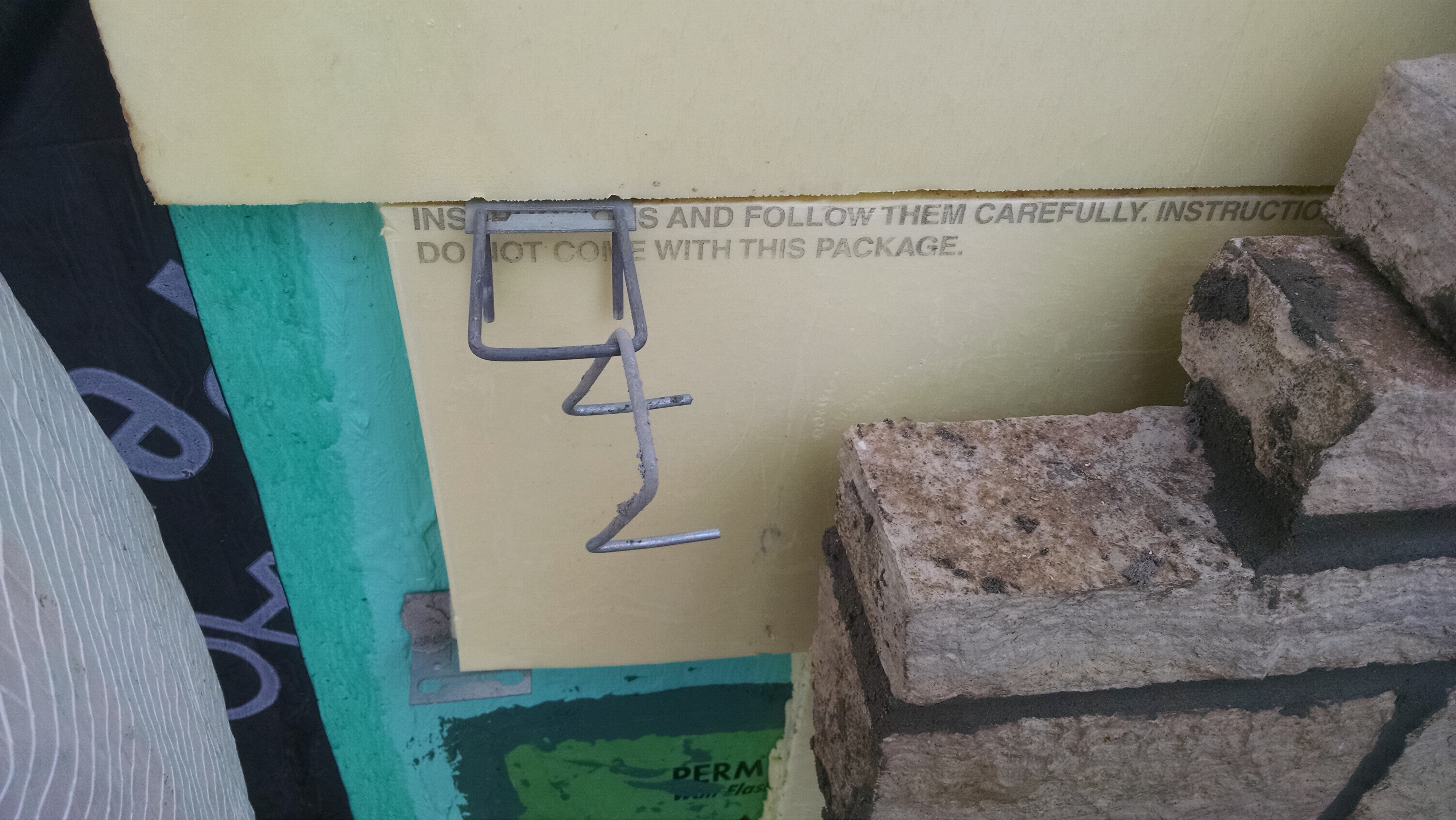
Polyextruded styrene (yellow) provides insulation between the aira nd moisture barrier (teal) and the stonework. The metal bracket is set into the grout and anchors the limestone to the wall.
Polyextruded styrene (yellow) provides insulation between the air and moisture barrier (teal) and the stonework. The metal bracket is set into the grout and anchors the limestone to the wall.

The beauty of the buff colored laminated layers, and the occasional calcite crystal, or vug, that formed during the formation of the magnesium-rich rock is evident in the natural random splitface veneer.

Approximately one quarter of the stonework has been complete.
Approximately one-quarter of the stonework has been complete.

The smooth layers of the stone is a testament to the calm sea conditions of the upper Silurian period of the Paleozoic Era the organisms once lived in.

IMG_20160215_133919118
The polished caps highlight the fine texture and bedding planes of the limestone.


Air and Moisture Barrier

IMG_20160215_133459485

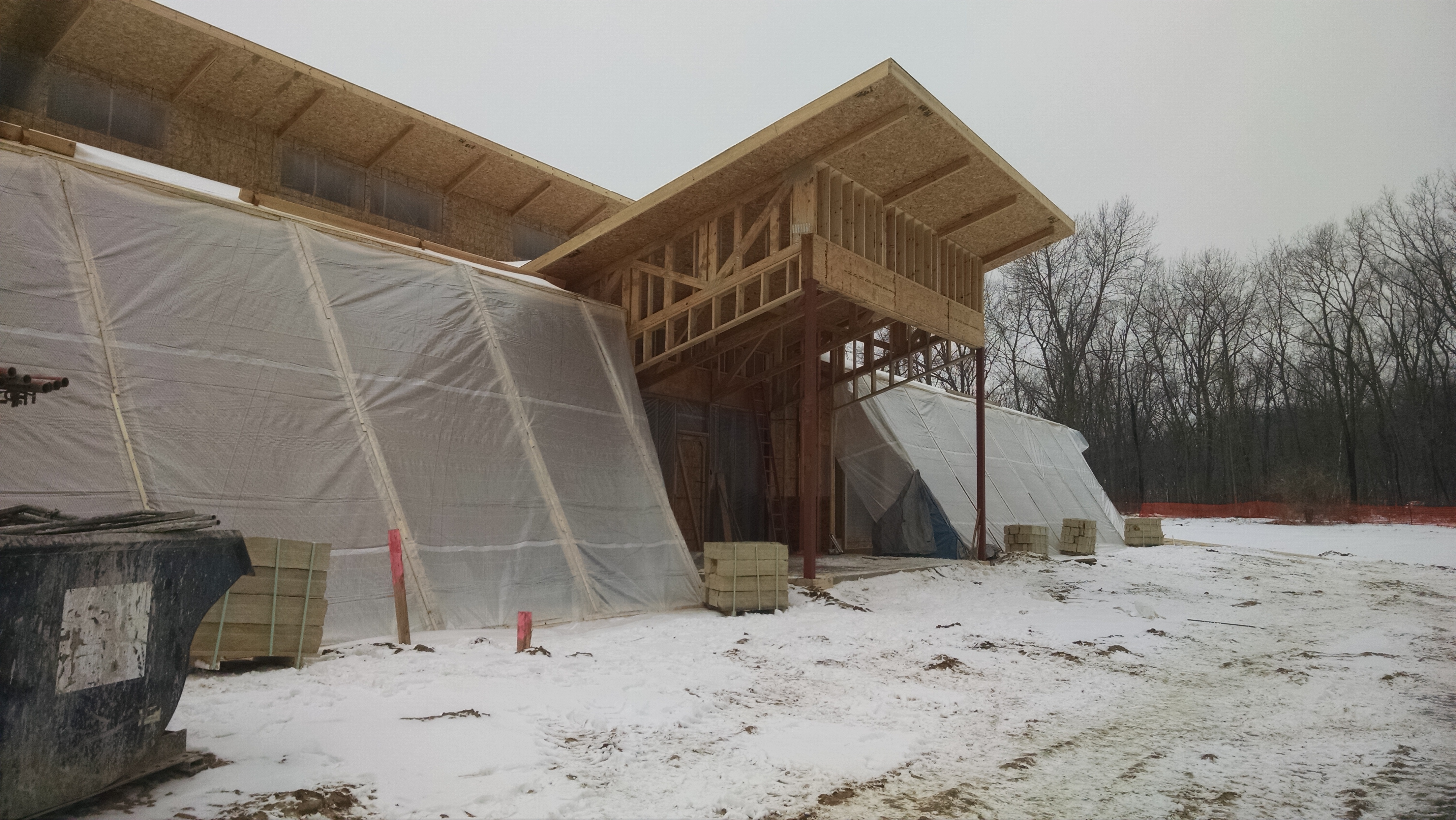
This heavy plastic tent allows the exterior of Amazing Space to be heated so work can continue. And what’s up next is the air/vapor/moisture barrier. Exciting, right? And oh-so-critical. Modern buildings provide extraordinarily good air exchange and climate (that’s a euphemism for humidity, not just temperature) control systems, but those systems can only do their job if the envelope is snug. The barrier prevents exterior moisture from sneaking inside, rotting wood and creating mold issues.IMG_20160219_135818904

The roof is geting a similar treatment, to keep the rain and snow out.IMG_20160219_135626632

Maple Syruping Season is here!

Mother Nature provided us with beautiful 60 degree weather in which to tap the maple trees. The sap was already flowing.
IMG_20160219_093638628

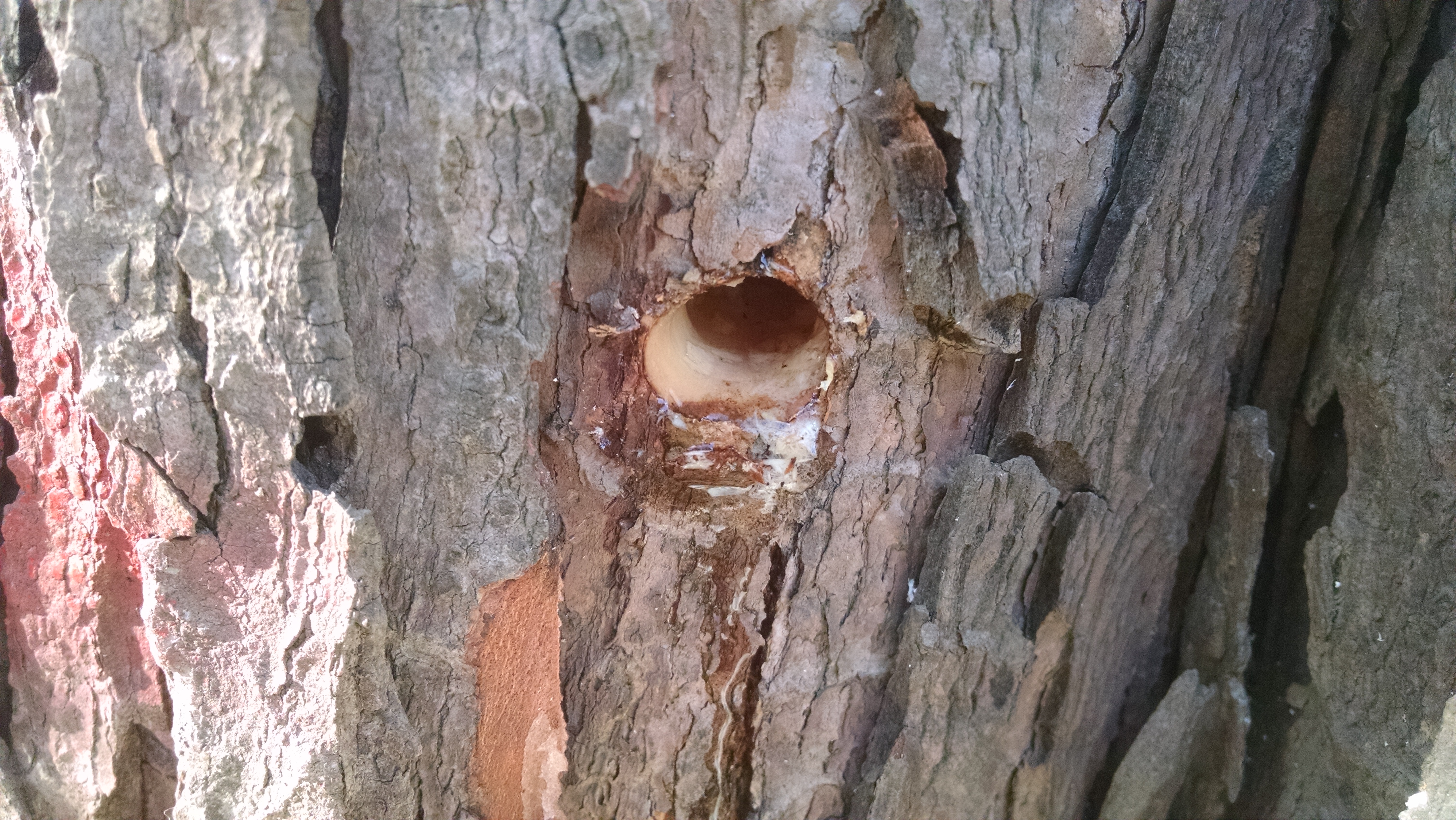
We use 7/16″ drill bits, set 275 taps, and produce anywhere from 7 to 40 gallons of syrup a year. It all depends on the weather. Doesn’t everything?

IMG_20160219_093808243

Enclosing the Building

After all, the enclosing of a building is really what sets a “building” apart from pavilions, porches, and other open-air structures.placing SIP panel

The last of the Structural Insulated Panels are placed.

plastic over windows

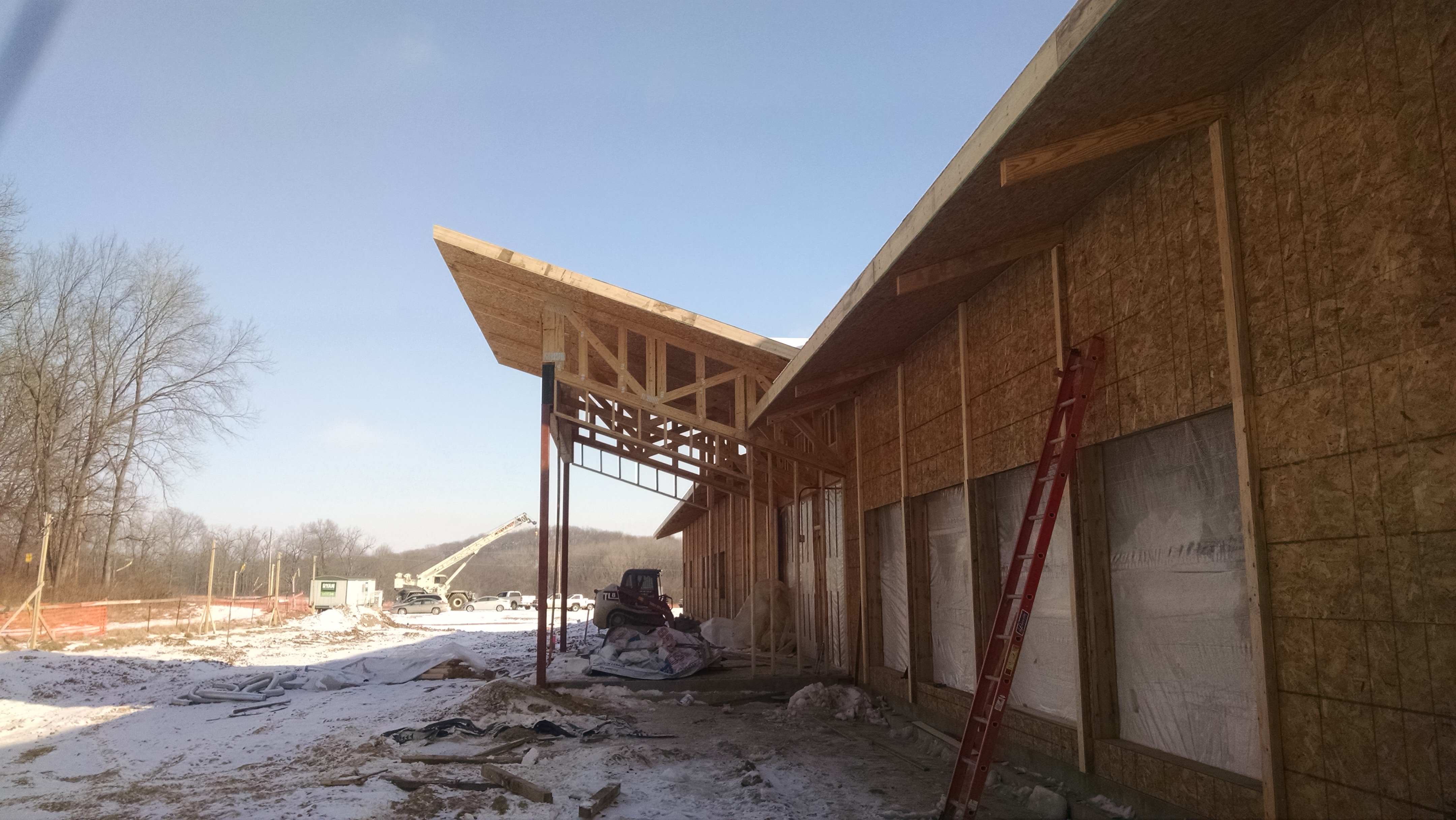
Plastic over the window and door openings allows the building space to be heated so work can continue throughout the winter.

cracks to be caulked

Cracks such as these will be caulked and sealed around the entire building to provide the R-30 insulating value. SystemWorks is commissioning the building to ensure details like these are addressed during construction.

internal rythm and light

The rhythm of the exposed trusses, and the natural daylight that will come through the upper clearstory window are starting to define the natural patterns and biophilic elements integrated throughout the spaces.

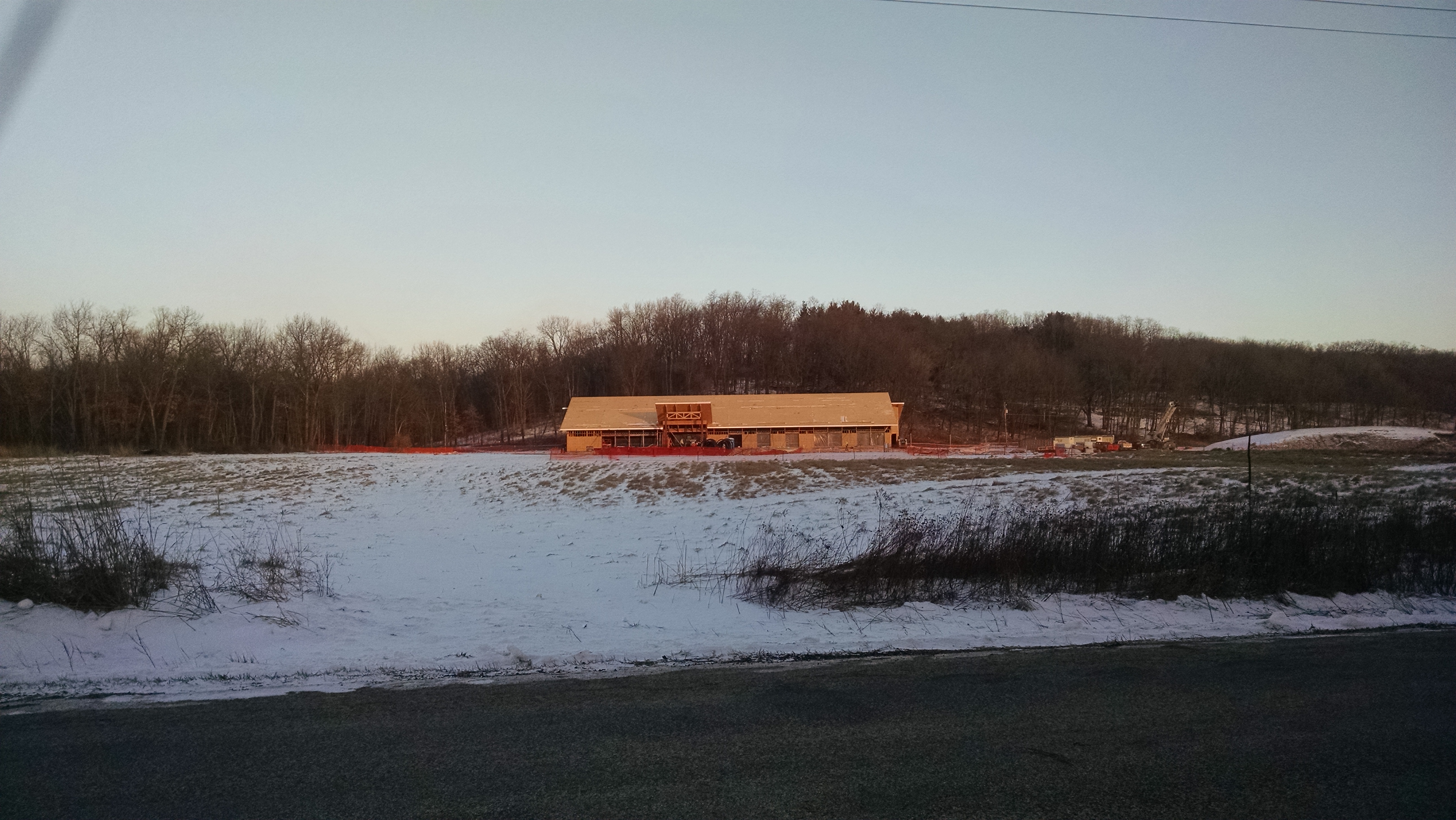
from the road
Amazing Space!

The Challenges of Creating a Living Building

At a recent Amazing Space presentation, a guest asked me what was in our contract with our general contractor to ensure that our Living Building Challenge goals are being met, and what the repercussions would be if the challenge wasn’t met.

IMG_20151022_124808183[1]

As the project owner, our priorities are:

  1. Respect and integrate the Living Building Challenge throughout all aspects of the project. Achieve as many imperatives as the design team, construction team, and owner find feasible.
  2. All project team members are focused on quality customer service and high quality interactions.
  3. Nature and respect for the environment is held in the highest regard when making decisions.
  4. Be a true community project, by this community, for this community.IMG_20151208_122322189[1]

The Living Building Challenge provides a comprehensive framework for helping us meet those priorities. Our general contractor, Ryan Companies, and many of the larger subcontractors, were brought on as partners early in the process so they understood and took ownership of the standards set by the LBC. Products were preselected by the design team. We meet weekly, and sometimes daily, to address concerns/issues in a timely manner. There are a number of obvious places that may make it difficult to meet the challenge. A few that we are aware of:

  1. Our specification manual is 2.75” thick and details every single product and material used in the construction process. Given the thousands of materials used, and the need to review every product down to the chemical composition, a “standard” material may have slipped through the cracks (as the project manager, I haven’t read the whole thing yet).
  2. Our budget is limited. As part of this project, we allocated $1.4 million for sustainable and appropriate materials, above and beyond a “standard” construction product. Spending more than that would not be financially prudent, and a key part of organizational sustainability is financial.
  3. The long term performance of the project, from water usage calculations to energy usage calculations, from indoor air quality to annual rainfall, is based on estimated projections. They have been independently looked at, tested, and modeled, but they are just projections for a unique, ultra-sustainable, leading edge building. How the community uses the interactive space and how the weather shifts in the coming years will provide valuable information on how good our models were for the next project.IMG_20151124_103055115[1]

Ultimately, we would like the word “standard” to not have to be used when discussing building materials or stormwater management practices. The sustainable thing to do will have become the standard thing to do.  Building practices and material sources aren’t truly sustainable yet. Regardless of whether we meet all twenty imperatives of the Living Building Challenge, the framework set by the challenge and our early adoption will ensure that the building is as integrated and sustainable as possible, and that it will provide a valuable resource for architects, developers, contractors, and others for years into the future.

IMG_20151230_111904041 (1)

Waldeinsamkeit

Usually I celebrate full moons, eclipses, solstices, and anything else I can think of outside walking with friends, followed by a little fire.

While the browns and greys of tree bark and leaf litter dominate the woodland winterscape, some of the smaller plants stay green all winter in the woods.

This season has been unusually hectic between Amazing Space (of which I love every moment, it just takes a lot of moments), the construction of the natural amphitheater, preparing the apiary for 2016, and everything else I normally do.

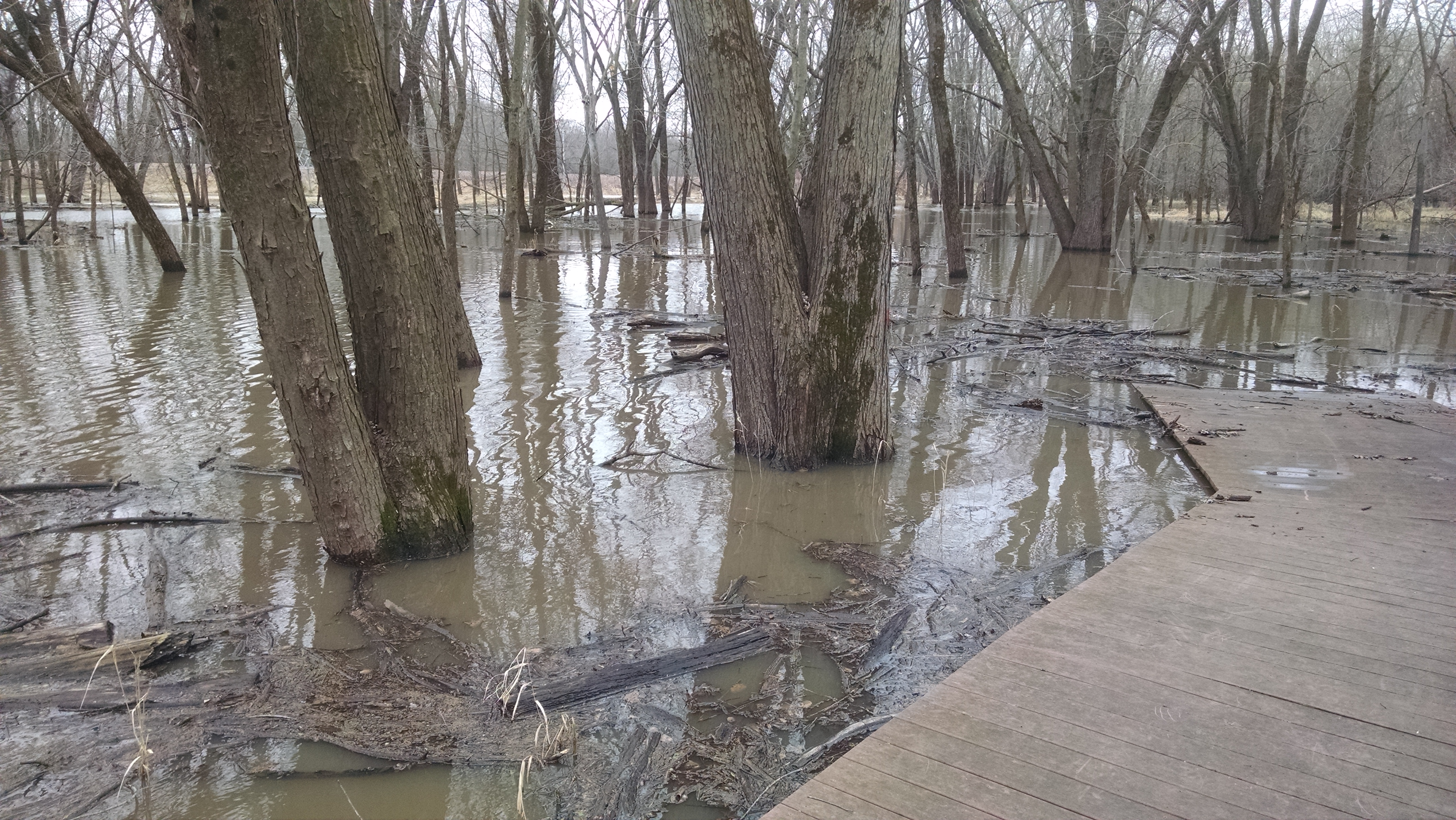
I've never known it to flood in December before. It is usually a light precipitation month for us, and the precipitation is usually in the form of snow, not rain. But Wood Duck Way and the silver maples in the floodplain are under water, as the Red Cedar River and Indian Creek spill over their banks.
I’ve never known it to flood in December before. It is usually a light precipitation month for us, and the precipitation is usually in the form of snow, not rain. But Wood Duck Way and the silver maples in the floodplain are under water, as the Red Cedar River and Indian Creek spill over their banks.

For this winter solstice, I opted to take a break and enjoy waldeinsamkeit. It literally translates into woodland solitude, and I find it is a beautiful way to connect with myself, and with the natural world around me. I actually had to visit waldeinsamkeit twice, once during the day and once after dark on the solstice. The warm temperatures, moist air, and clouds skittering across the moon were beckoning me back outside. Since English is based on German, why we didn’t we keep that word?

IMG_20151127_090703223
The unseasonably warm winter and frequent rains are supporting a prolonged mushroom season in the woods.


Structural Insulated Panels

Structural Insulated Panels (SIPs) have arrived.

IMG_20151223_120718571[1]These panels go under the roof to provide insulation. The panels consist of expanded polystyrene, sandwiched between 2 sheets of oriented strand board.

IMG_20151223_120702840[1] By  prefabricated the panels offsite, they are made efficiently to the exact dimensions they need to be for installation.

IMG_20151223_095553108[1]This allows Ryan Companies to install them efficiently and minimizes waste. Combined with the standing-seam metal roof, they will provide an insulating R-value of 30.

IMG_20151222_092809579[1]

Bringing the Beauty of Nature Inside

Working in a 1932 dairy barn, the boundary a modern structure typically provides between us and the environment is…fuzzy. Mice live in the walls. Fox snakes shelter on the silo stairs and bask in offices. Leaves blow in through open doors and insects sneak in through open windows. When our offices and programs move into Amazing Space next year, maintaining a close connection with nature while taking advantage of things like climate control and screens on windows, is challenging.

In Amazing Space we want to ensure guests are still connecting with nature, without subjecting them to water dripping on their heads and wasps landing on their papers. We also want to make sure we take full advantage of the additional space the new building provides us. Enter…the inside creek. It’s not a real creek. A real creek with flowing water was discussed early on during brainstorming, but we decided it would cause many of the same complications we experience in our existing building, as well as being unsustainable financially to maintain.IMG_20151118_113553010

A replica creek, on the other hand, could provide a marvelous guest experience on a number of levels. First, by filling it with models of the plants and animals that live in the Iowa waterways but our seldom seen, guests would learn more about the creek outside and make their nature experiences more meaningful. Second, the soft curves of the creek break up the angular building corners and hard planes of construction, creating a far more natural feel. Third, having the model underground provides a unique interactive element for all guests, without inhibiting people moving freely through the building during large events.IMG_20151120_092747440

Casting the creek directly into the floor was a challenge for both the designers and the contractors-most concrete and construction equipment is designed for right angles, but the team rose to the occasion magnificently. Eventually, the plywood will be replaced with glass, the void underneath filled with rocks and dirt, replica crayfish and mussels. In the meantime, the gentle curves of the “creek” running through the building remind everyone working on the site that this unique project is ultimately for the environment.


IMG_20151125_094233633_HDR

Art in Nature

IMG_20151114_203954273

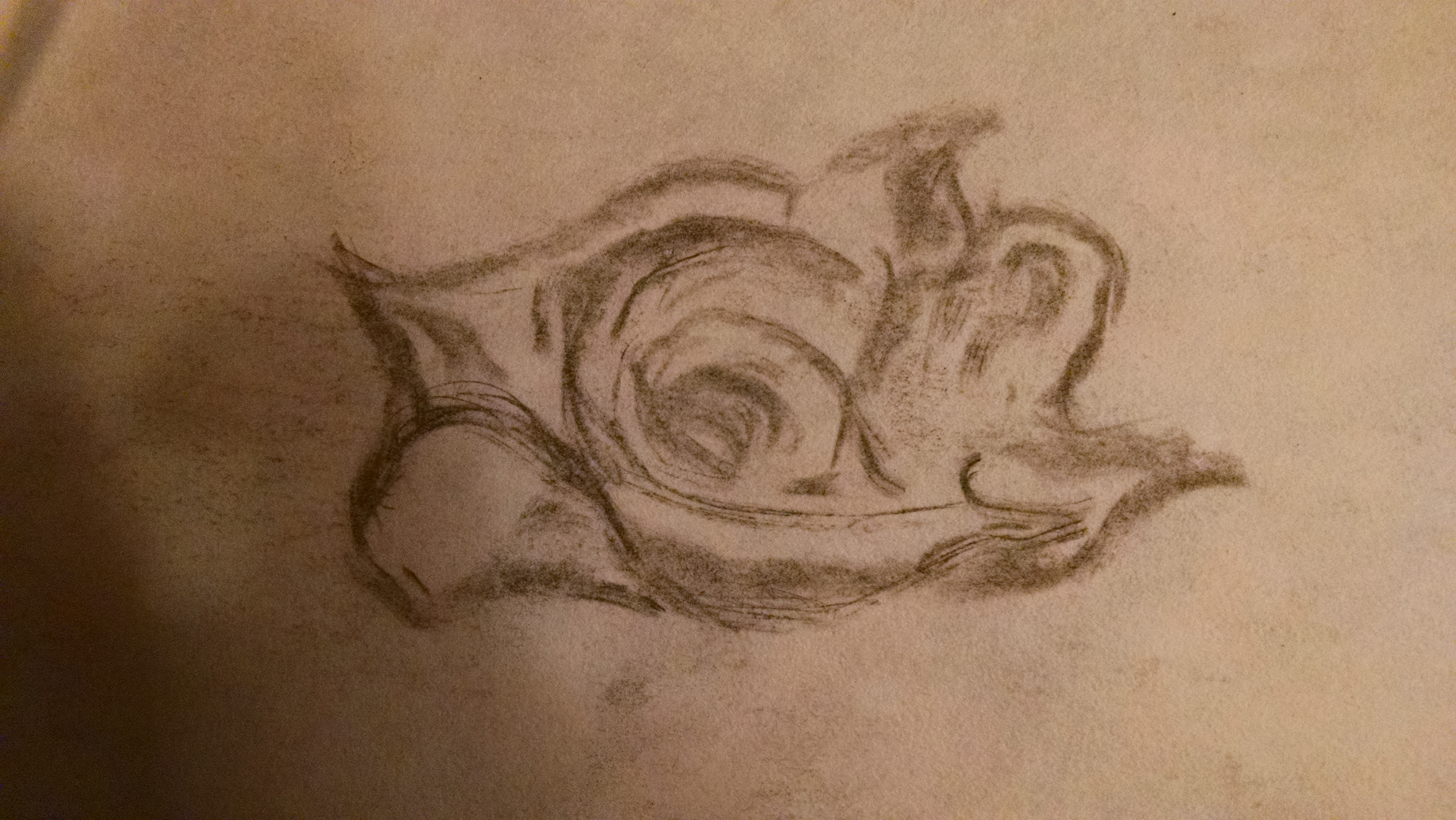
At our last fire, we decided to make some drawing charcoal. We took dried willow twigs and stripped the bark (stripping the bark should really be done when the willow is green, because it peels very easily then) to make a soft charcoal, and we split some thin strips of cedar to make hard charcoal. Each stick was about 8 inches long.

IMG_20151127_074146537

We wrapped them tightly in tinfoil. This allows the gas to escape, but prevents oxygen from getting into the sticks and actually combusting them. We tucked them down in the coals, let them sit for an hour and a half, and then fished them back out. 

IMG_20151126_183721392
A groundnut blossom
IMG_20151127_074040066_HDR
A yellow lady slipper orchid blossom

With everything outside reduced to greys and browns, and the darkness setting in so early, drawing is a great way to experience  and study the wildflowers. Often, the brilliant colors of summer overwhelm me, and I don’t notice the more subtle structure of the flowers themselves. Meanwhile, mother nature has been creating her own artwork.

IMG_20151121_145442583
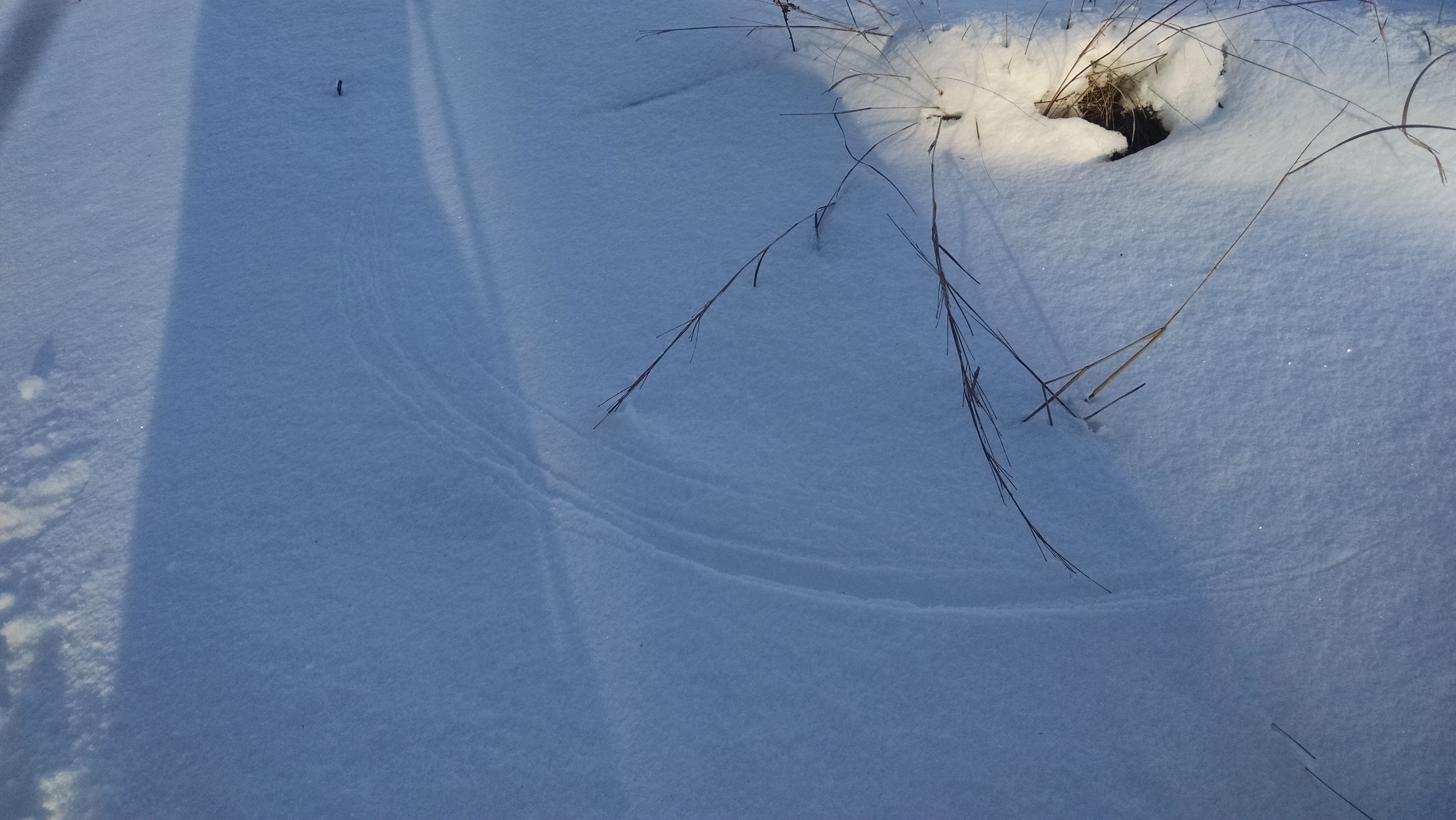
The wind draws in the snow with little bluestem
The snow melted, the ground is not yet frozen, and the temperatures are vacillating between warm and chilly. We witnessed a rare phenomenon on some goldenrod stalks. Though the stalk is dead, it is wicking moisture out of the ground. The moisture then freezes in the air, creating an iceflower at the base of the plant.