Creating an orchard

When I was nine, my grandfather would let me mow the hayfield with the tractor. He would supervise from the edge of the field, wearing a long-sleeved plaid shirt and straw hat, eating an apple fresh from the tree.

31 years later, I wear long-sleeved plaid shirts and a straw hat to protect me from mosquitos, thorns, ticks, and the sun. I inherited a McCormick Farmall Cub tractor older than I am. The only thing missing was the apple tree.

My friend Craig has been trying to give me a pair of apple trees for about two years now. I have always demurred, because apples need sun, and that’s not something I have a lot of living under the canopy of an oak savanna. But this spring I was watching the cardinals and chickadees in the thicket of mulberries, multiflora rose, and honeysuckle that had grown up under the dead oak tree, and I realized that I do, indeed, have a sun spot.

The oak tree died back in 2000, before we moved onto the land. It is gradually crumbling in place. Woodpeckers are aiding its decomposition, and more small twigs and bark slough off each year. If enough sunlight in the area is allowing the birds to plant  and grow a thriving orchard of invasive trees and shrubs, its enough sunlight for a few more desirable trees as well.

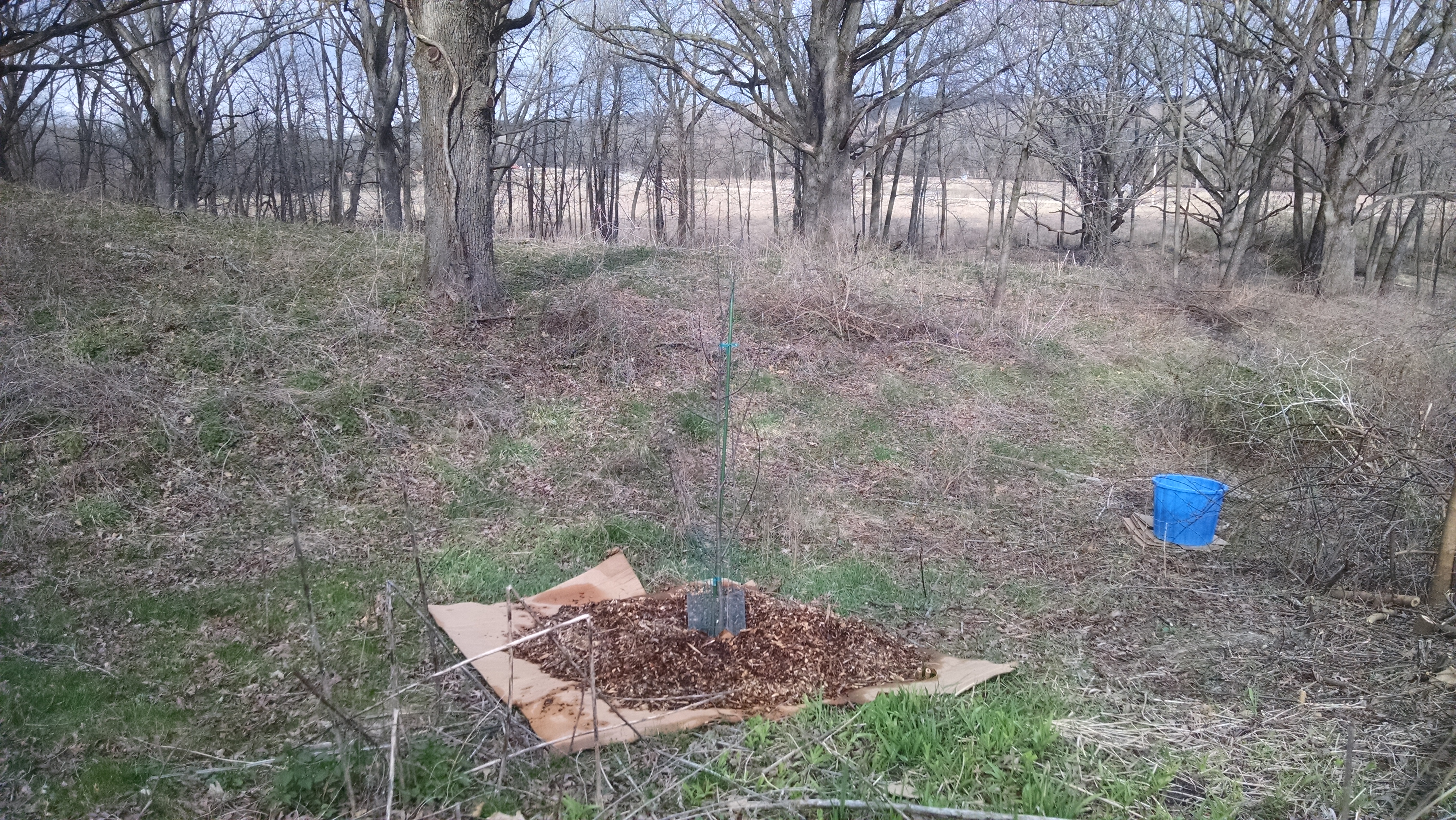
Armed with a chainsaw and a shovel, I started clearing and planting. Since I had no idea what kind of apple tree I wanted (the kind that tastes good?), Craig started me with a lovely variety of heirloom eating apples: a Chestnut Crab, a Yellow Hardin, a Golden Russet, a Ribston Pippin, a Rhode Island Greening, and a Yates.
IMG_20160403_172437235

Amazing progress on Amazing Space

More ductwork arrives regularly. Often, ductwork inside a building is hidden above drop ceilings. In Amazing Space, we are deliberately leaving the ducts exposed. This helps guests understand the heating and cooling systems in the building, and allows us to highlight the natural beauty of the pine trusses and the integrity of the architectural design.

IMG_20160407_134151051[1]

The glass walls and doors that invite people into the building and entice them back outside are being installed. With the exterior stonework finished and windows letting natural light inside, the biophilic beauty of the building is starting to emerge.

IMG_20160407_134157288[1]

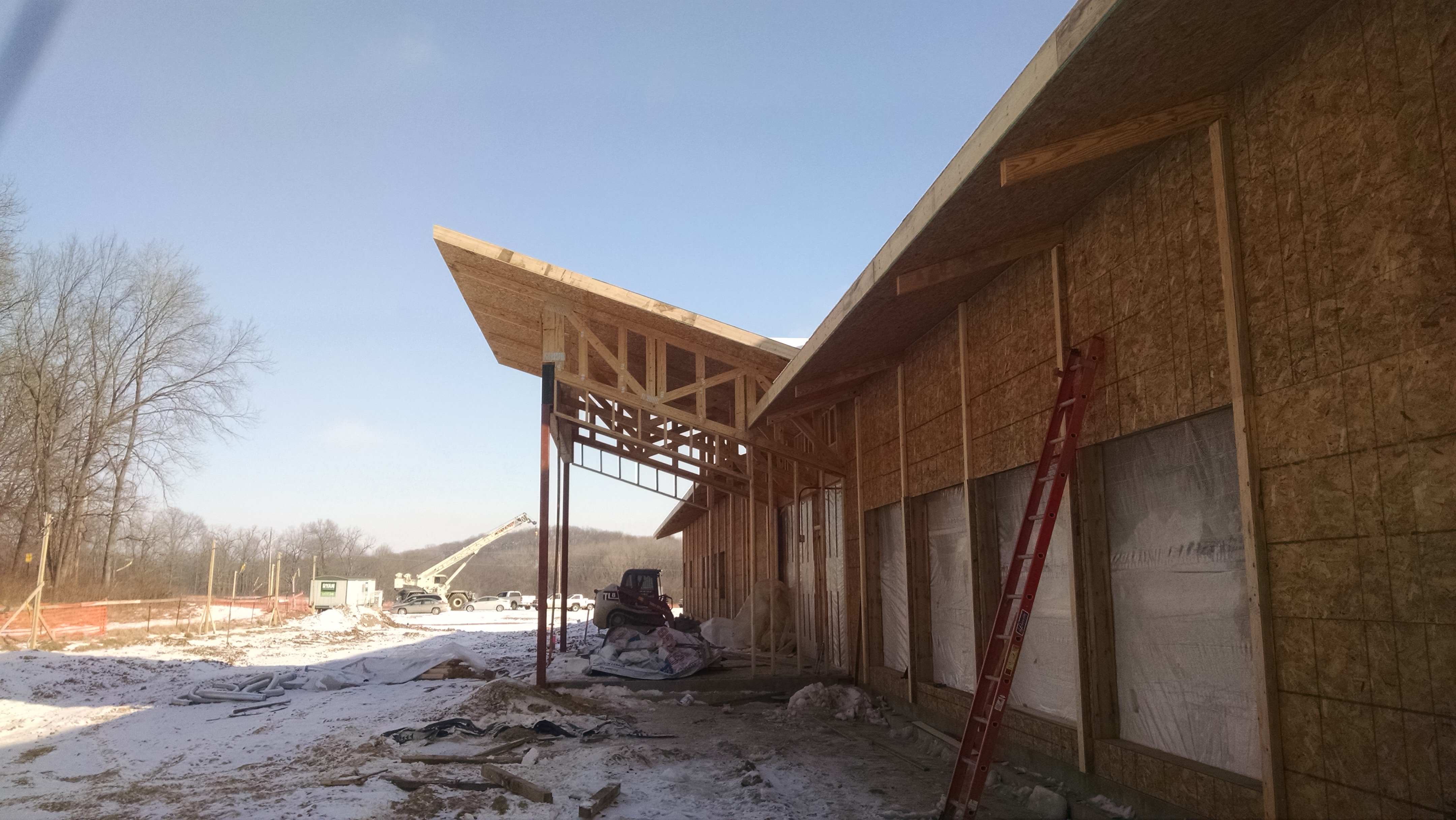
At same time the glass curtainwall system is being erected, the siding is being installed. The yellow insulation foam is being covered by the rich brown of the hardieplank panels.

IMG_20160404_100249361[2]

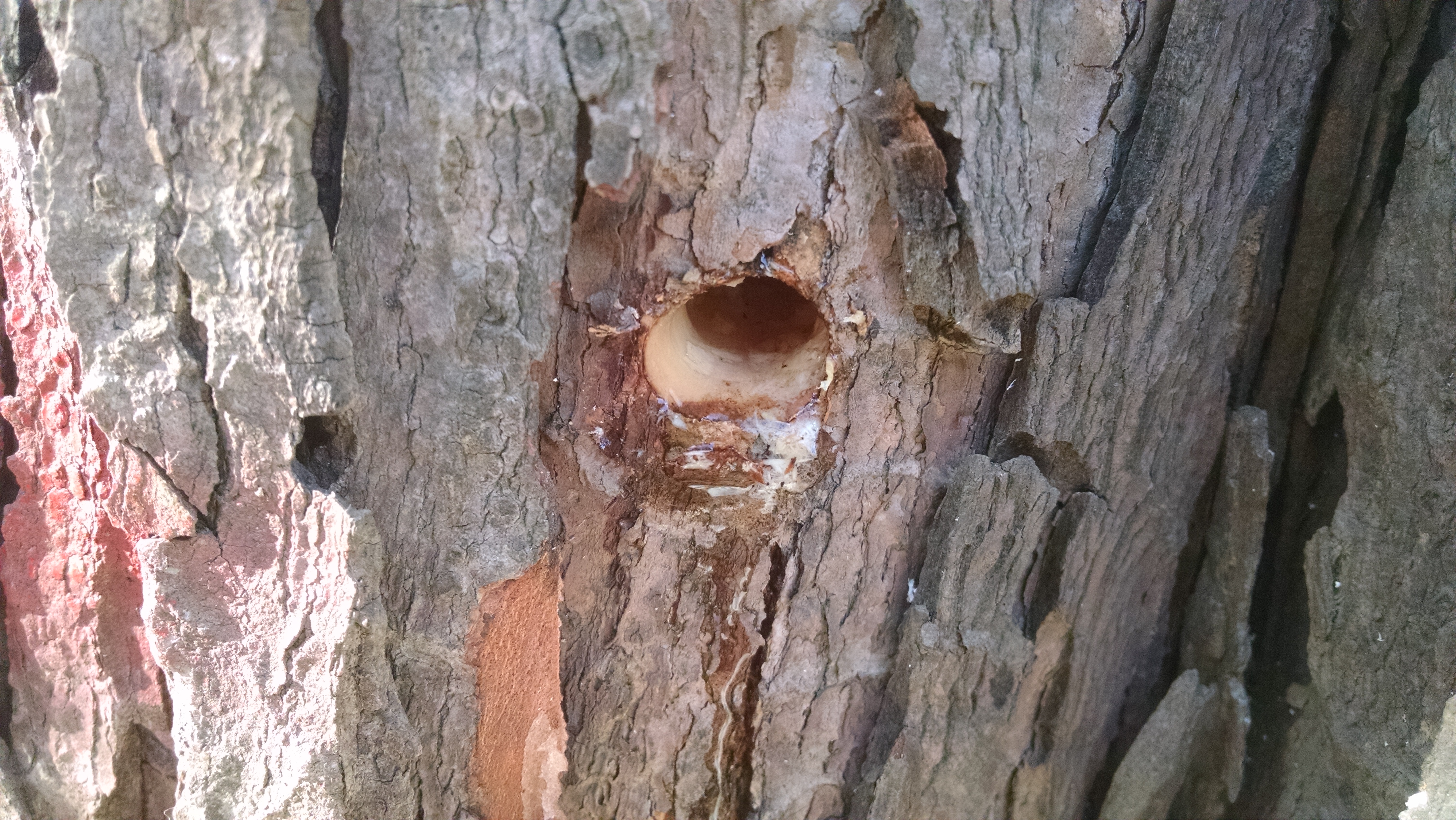
Amazing Space is made of locally sourced wood and stone. Initially, lapped cedar seemed like a logical choice of siding to compliment the stone. Despite being a rot-resistant wood, cedar still follows a natural decomposition path over time. The cedar on our existing building is being destroyed by woodpeckers, as they dig out the insect larvae burrowing in the wood. In contrast, the hardieplank siding is made from cement board, has a 30 year warranty, and will last indefinitely. The longevity and low-maintenance of this material weighed heavily in its favor as being the more sustainable option.

IMG_20160408_140346600_HDR


The root of the rose

Being involved with a Nature Center is about creating spaces and opportunities for people and nature to come together. People understand and relate to the glory of being outside on a summer day full of birds, butterflies, and flowers. But the dynamics of what is happening behind the scenes and underground, the natural systems and processes that ultimately create that precious beauty, those stories are harder to see, understand and tell.

IMG_20160331_122332291[1]

To start with, plant roots (for example) are deep, big, and completely underground. Before the invention of the plow, people cut trees and planted crops and gardens in the forest soil because there wasn’t the solid mats of prairie roots to cut though.

IMG_20160331_125520964[1]

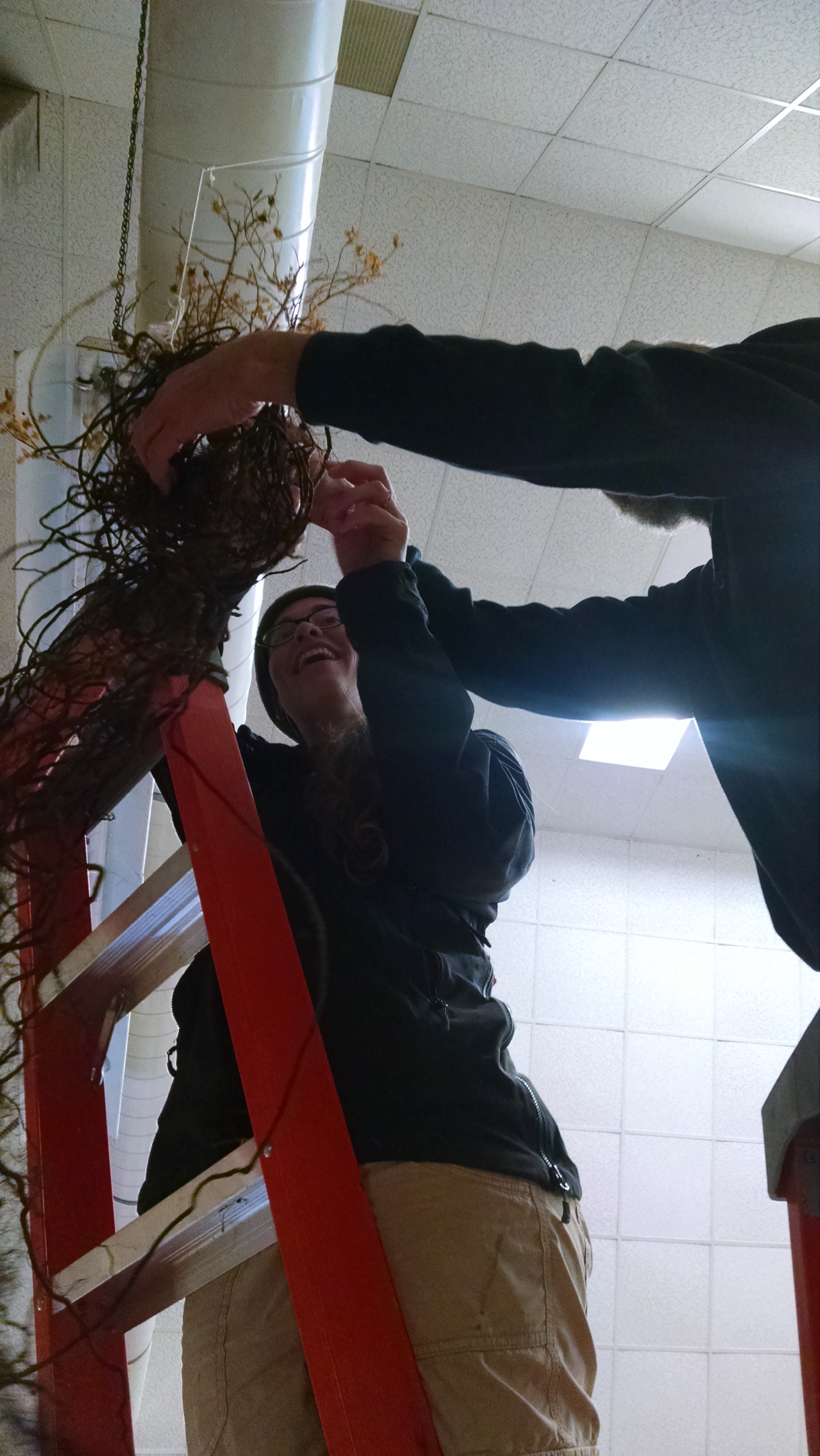
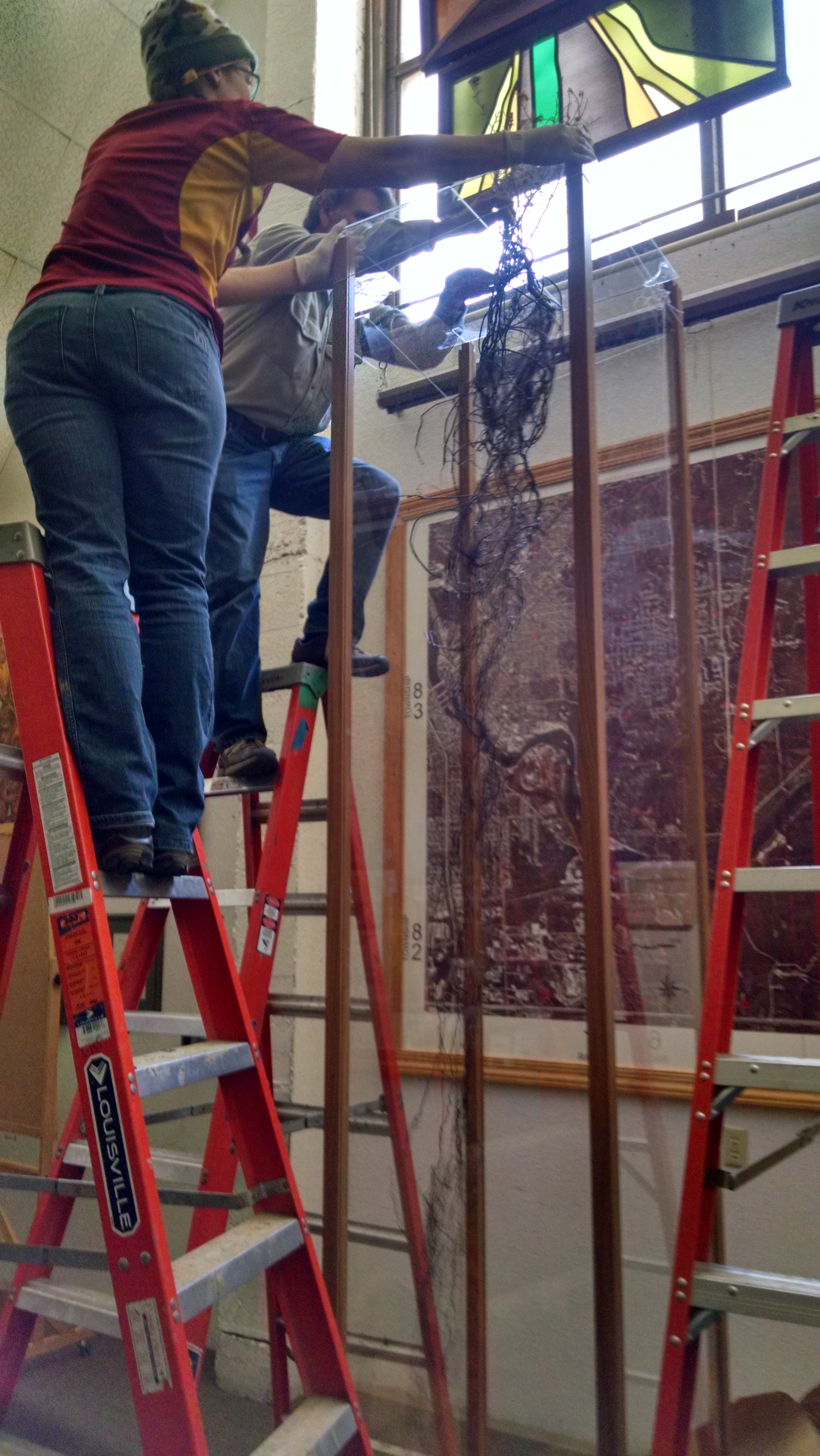
The Tallgrass Prairie Center recently gifted us with a real wild rose root. Displaying it required a 10′ tall case. In the wild, the roots go deeper. Fortunately for display purposes, the Tallgrass Prairie Center grows the native plants for three years in a 10′ tube, giving us a “manageable” root to work with. I only said, “we’re going to need a bigger ladder” twice.
IMG_20160401_162921264

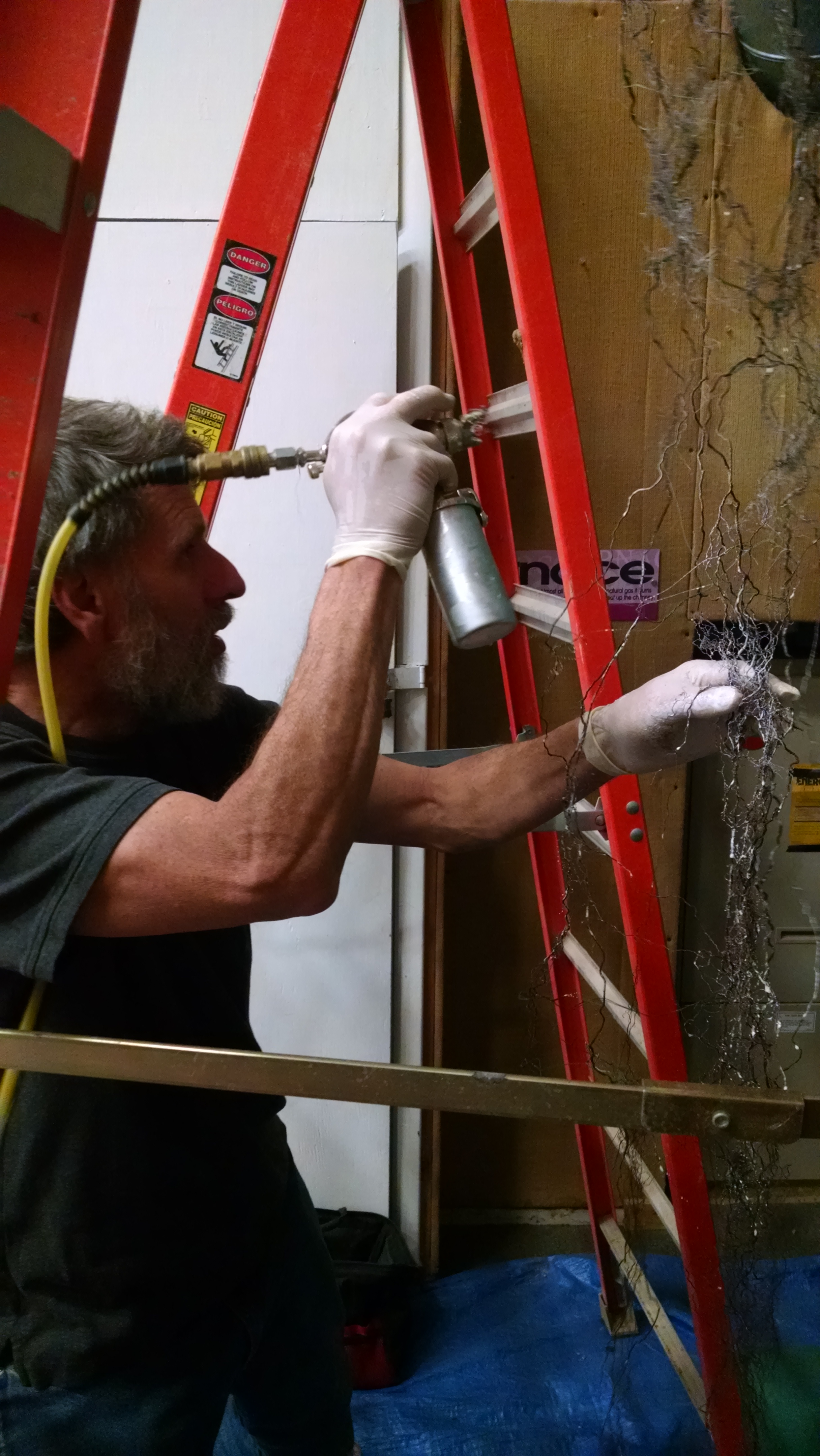
Before giving us the root, the Tallgrass Prairie Center soaked it in a solution of glycerine, acetone, and ethanol to preserve it. The first step in displaying the rose root was to tease apart the root fibers after storage, so they would hang naturally.

IMG_20160401_182634066

While the glycerine solution preserves the root against decomposition, it was still very fragile and bits of the finer hairs would fall off over time. Terry Brown, owner of Museum Professionals, donated a day of his time to preserve the root, forming it into a natural shape and then spraying it with a stabilizing solution. He then helped us install it in the display case.
IMG_20160402_104127392_HDR

In a few short months, the root will be joining us in Amazing Space to form the centerpiece of our tallgrass prairie exhibition. If you want a sneak peak, it is on display in the Nature Center’s existing auditorium.

What’s in a wall?

The sustainability of a building really comes down to a snug, well-designed envelope. The walls, windows, doors, roof and floor are what prevent cold air from escaping the building in the summer and warm air from escaping the building in the winter. A good envelope has a high thermal resistance, or R-value. This equals sustained low energy usage and low energy bills.
IMG_20160314_110924302[1]

Ecobatts are an environmentally friendly replacement to traditional fiberglass insulation. With an R-19 value, they are part of the Amazing Space wall system that, when fully assembled, will provide a snug R-30 building envelope. IMG_20160311_131030713[1]

The bats are made of sand and recycled bottle glass that form a glass mineral wool. The mottled brown color reflects their undyed, natural origins. Even the binder is a renewable, bio-based material that is petroleum and formaldehyde-free.
IMG_20160317_132555563[1]On the interior of the walls, plastic is used before the sheet rock is installed to create a moisture barrier between the exterior wall and the interior of the building. The insulation is naturally mold-resistant and water doesn’t hurt it. The walls are designed to be water-proof, but anything can happen over time. Proactively designing a wall system with strong integrity against the elements is designing a building with a long life-span that is easy and economical to maintain.

IMG_20160314_111137418_HDR[1]


Emerging Spring

Spring is emerging all around, from the chorus frogs and red wing blackbirds calling from the wetland to the wildflowers emerging in the woodlands.

IMG_20160317_140138534_HDR
Snow trilliums are the first of the spring ephemerals blooming this year. They are as important to the spring pollinators as the pollinators (in this case, a fly) are to them.
IMG_20160317_121310925
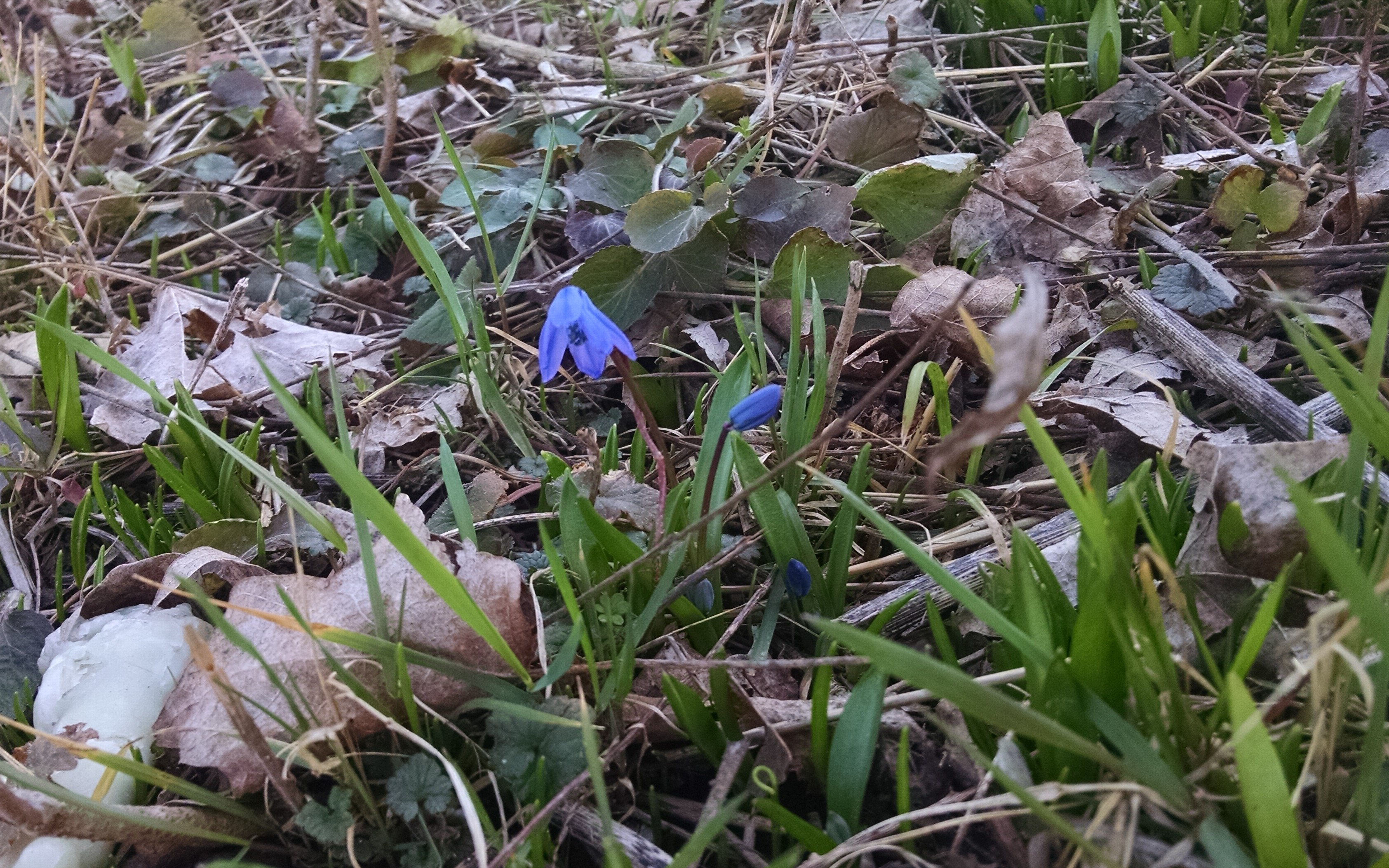
The squil is also just starting to bloom. While not native, it is not posing an invasive problem here. As more of it blooms, it will provide a critical source of pollen for the honeybees.
IMG_20160401_095443851_HDR[1]
The skunk cabbage are just emerging up Bena Brook.

Celebrating Stone, past to present

409 to 439 million years ago, marine creatures were living out their lives in a shallow, highly-saline inland sea floor. Corals, algaes, crinoids, and brachiopods were abundant in the Silurian sea. The earth dried, puckered, shifted, and slowly ground its way  from the warmth just south of the equator up to the 42 parallel. The hard, calcium-rich skeletons and shells of the sea creatures were fossilized into smooth, thinly layered, or laminated, dolomite stone.

IMG_20160224_111625811
S. Moyle Masonry, of Manchester, Iowa, builds the stone veneer wall.

As part of Indian Creek Nature Center’s Amazing Space building, we are celebrating the natural history of Iowa. Using a stone veneer provides us with an opportunity to showcase the limestone that forms the bedrock of our region. The Anamosa limestone for our project is quarried just 21 miles northeast of the Nature Center at Weber Stone in Stone City.

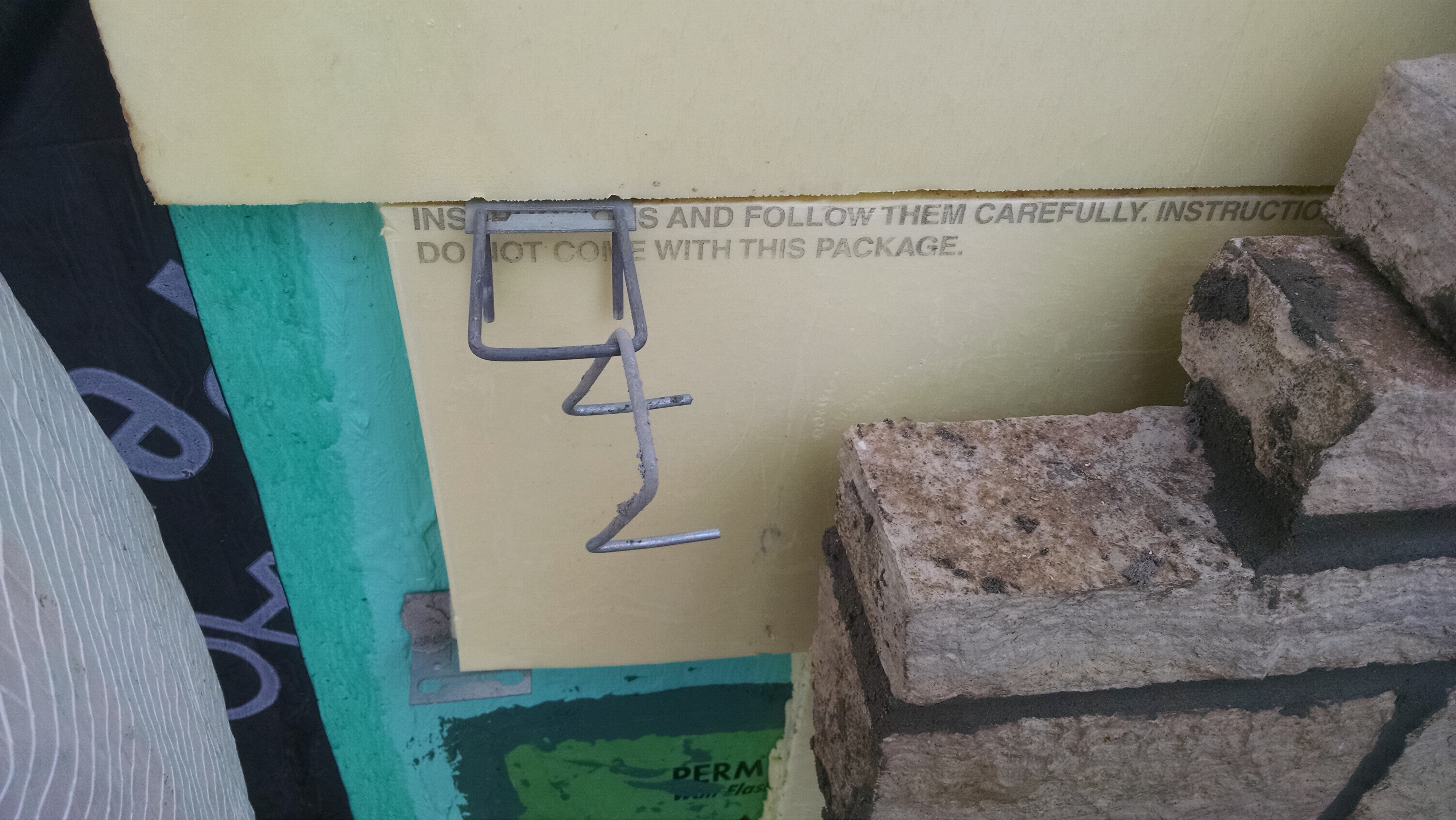
Polyextruded styrene (yellow) provides insulation between the aira nd moisture barrier (teal) and the stonework. The metal bracket is set into the grout and anchors the limestone to the wall.
Polyextruded styrene (yellow) provides insulation between the air and moisture barrier (teal) and the stonework. The metal bracket is set into the grout and anchors the limestone to the wall.

The beauty of the buff colored laminated layers, and the occasional calcite crystal, or vug, that formed during the formation of the magnesium-rich rock is evident in the natural random splitface veneer.

Approximately one quarter of the stonework has been complete.
Approximately one-quarter of the stonework has been complete.

The smooth layers of the stone is a testament to the calm sea conditions of the upper Silurian period of the Paleozoic Era the organisms once lived in.

IMG_20160215_133919118
The polished caps highlight the fine texture and bedding planes of the limestone.


Maple Syruping Season is here!

Mother Nature provided us with beautiful 60 degree weather in which to tap the maple trees. The sap was already flowing.
IMG_20160219_093638628

We use 7/16″ drill bits, set 275 taps, and produce anywhere from 7 to 40 gallons of syrup a year. It all depends on the weather. Doesn’t everything?

IMG_20160219_093808243

Enclosing the Building

After all, the enclosing of a building is really what sets a “building” apart from pavilions, porches, and other open-air structures.placing SIP panel

The last of the Structural Insulated Panels are placed.

plastic over windows

Plastic over the window and door openings allows the building space to be heated so work can continue throughout the winter.

cracks to be caulked

Cracks such as these will be caulked and sealed around the entire building to provide the R-30 insulating value. SystemWorks is commissioning the building to ensure details like these are addressed during construction.

internal rythm and light

The rhythm of the exposed trusses, and the natural daylight that will come through the upper clearstory window are starting to define the natural patterns and biophilic elements integrated throughout the spaces.

from the road
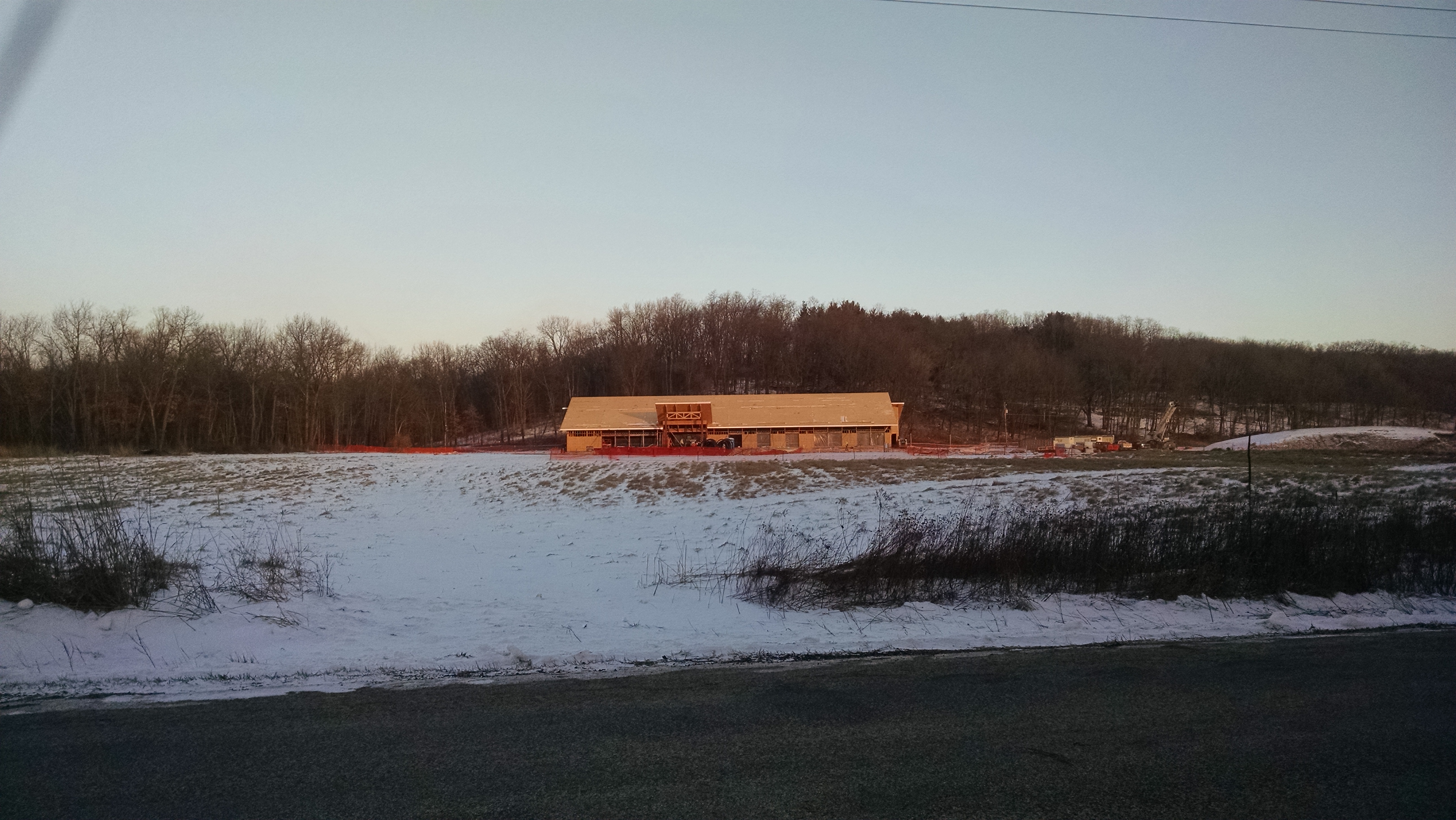
Amazing Space!

The Challenges of Creating a Living Building

At a recent Amazing Space presentation, a guest asked me what was in our contract with our general contractor to ensure that our Living Building Challenge goals are being met, and what the repercussions would be if the challenge wasn’t met.

IMG_20151022_124808183[1]

As the project owner, our priorities are:

  1. Respect and integrate the Living Building Challenge throughout all aspects of the project. Achieve as many imperatives as the design team, construction team, and owner find feasible.
  2. All project team members are focused on quality customer service and high quality interactions.
  3. Nature and respect for the environment is held in the highest regard when making decisions.
  4. Be a true community project, by this community, for this community.IMG_20151208_122322189[1]

The Living Building Challenge provides a comprehensive framework for helping us meet those priorities. Our general contractor, Ryan Companies, and many of the larger subcontractors, were brought on as partners early in the process so they understood and took ownership of the standards set by the LBC. Products were preselected by the design team. We meet weekly, and sometimes daily, to address concerns/issues in a timely manner. There are a number of obvious places that may make it difficult to meet the challenge. A few that we are aware of:

  1. Our specification manual is 2.75” thick and details every single product and material used in the construction process. Given the thousands of materials used, and the need to review every product down to the chemical composition, a “standard” material may have slipped through the cracks (as the project manager, I haven’t read the whole thing yet).
  2. Our budget is limited. As part of this project, we allocated $1.4 million for sustainable and appropriate materials, above and beyond a “standard” construction product. Spending more than that would not be financially prudent, and a key part of organizational sustainability is financial.
  3. The long term performance of the project, from water usage calculations to energy usage calculations, from indoor air quality to annual rainfall, is based on estimated projections. They have been independently looked at, tested, and modeled, but they are just projections for a unique, ultra-sustainable, leading edge building. How the community uses the interactive space and how the weather shifts in the coming years will provide valuable information on how good our models were for the next project.IMG_20151124_103055115[1]

Ultimately, we would like the word “standard” to not have to be used when discussing building materials or stormwater management practices. The sustainable thing to do will have become the standard thing to do.  Building practices and material sources aren’t truly sustainable yet. Regardless of whether we meet all twenty imperatives of the Living Building Challenge, the framework set by the challenge and our early adoption will ensure that the building is as integrated and sustainable as possible, and that it will provide a valuable resource for architects, developers, contractors, and others for years into the future.

IMG_20151230_111904041 (1)

Welcoming 2016

Snow has finally arrived. It has transformed the woods into a magical place full of wonder, and on a more practical note, I haven’t seen a tick in a few days. We’ll ring in the New Year quietly in the forest, celebrating the beautiful natural world around us.

IMG_20151223_162343940_HDR
The clouds are forming.
Bena Brook starts to freeze over.
Windblown snow creates delicate patterns on downed trees.