Forest on the Fringe

Forest on the Fringe author Bill Haywood has been working in Indian Creek Nature Center’s woodlands recently.

fotf_cover

In some areas, there are massive elms still standing and butternut trees still producing nuts-everything you could possibly want in a healthy Iowa woodland. But in other areas, invasive black locust and mulberry dominate the landscape. Bringing those sections back to health would involve massive ecosystem destruction, followed by expensive reconstruction. Bill has a better way. Through the woods, he has been dropping small, 3”-9” diameter trees.

Bill's clearing

This allows the mature-canopy trees, regardless of species, to continue stabilizing the existing ecology. Young desirable trees, including white oaks, butternuts, and shagbark hickories will be able to grow up in the pockets of sunlight he has created. Periodic fire will be used to keep the undesirable trees from reclaiming the sunlight. This long-term approach prevents erosion, relies on the intact components of the forest, and creates a healthy range of different age trees and amounts of sunlight throughout the woodlands.

Then the storms of last week hit, and overlaid on Bill’s careful work was the awesome path of wreckage left by a strong wind pattern. “Trail Destructo,” as my colleague Andrea Blaha calls it.

trail destructo

One of the butternuts was cracked in half and trails were covered by broken and twisted trees.

butternut tree down


At first I felt devastated. But then, I remembered the notes from the 1842 survey of this area. A significant windfall band that swept across the township was noted, not unlike what happened in Monday’s storms. While the damage to some of the existing trees is extensive, these wind events create pockets of open sunlight, allowing new growth and different species to develop in the woods. Downed trees are also great for fungus and replenishing the soil.

Scarlet cups, Ginger
Gabrielle Anderson’s scarlet cups in Hunting Red

scarlet cups, snipped

fungi

Nature’s Garden

Other than garlic and a few perennials, I decided this year I wasn’t going to plant anything of my own.  I was just going to harvest Nature’s garden. The diversity is far greater than anything I could fit in my backyard. Today, we collected a bag of elderberry blossoms. After the petals dry and drop off the flowers they will make delicious tea.


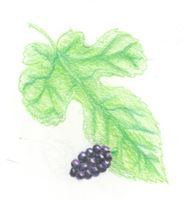
The mulberries we ate right off of the tree as a fresh snack. If we had known we were going to find them, we would have brought a container to put them in-everyone knows vanilla ice cream is best with fresh mulberries.

mulberry for web

Gabrielle Anderson’s mulberry from Hunting Red.

Green Dragons

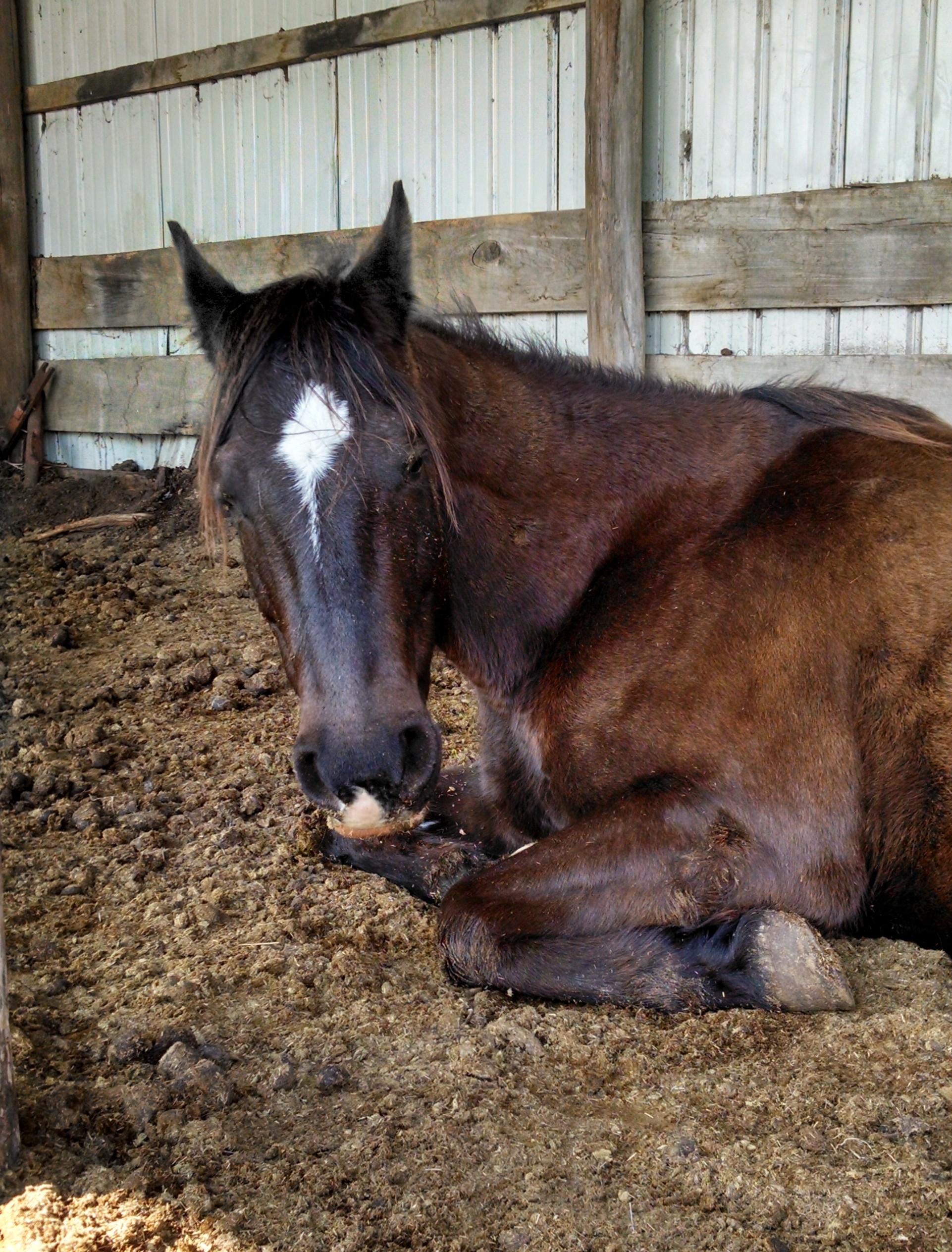
I went to the stable for an afternoon ride on Frank. But it was a hot, muggy day and the buffalo gnats were biting.

Frank


Frank, and the rest of the herd, had taken refuge in the woods across Dry Creek. Which is certainly not dry right now, but at least there was a convenient log for me to use to cross the creek.

log across creek

I put his halter on, and started looking for a suitable log that I could use as a mounting block. While we wandered through the woods, I came across this surprising patch of green dragons. Surprising because the woodland is small and has been grazed for years, and it is full of green briar and garlic mustard. It is a lovely spot of shade and water for the horses, dogs, and kids, but ecologically it is degraded.

leaf whorlleaf and dragon


A good reminder that life-and nature-are always full of surprises.

green dragon berries copy

Gabrielle Anderson’s green dragon berries from Hunting Red.


Prairie Labyrinth

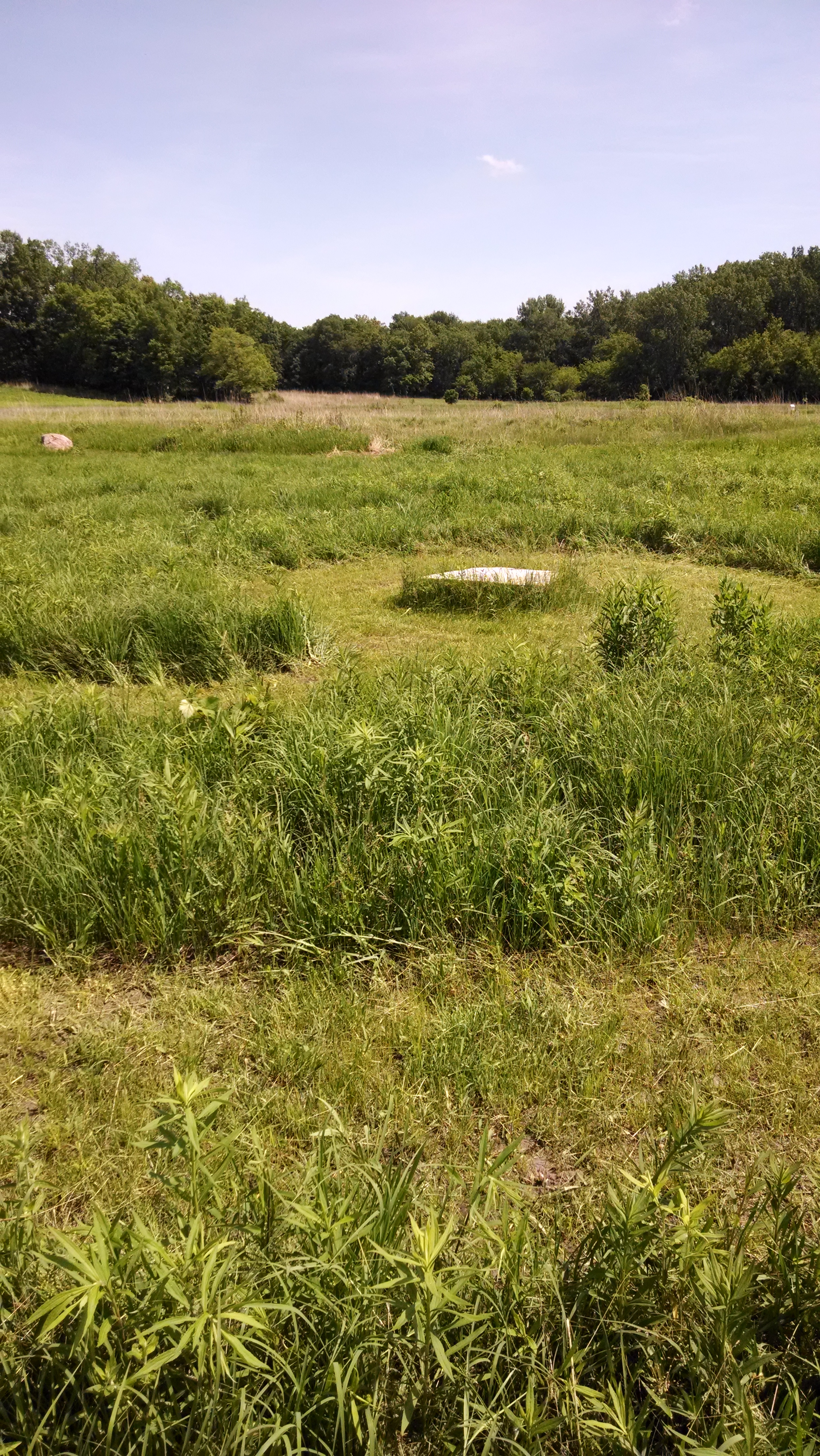
I was out mowing the prairie labyrinth at Indian Creek Nature Center.

IMG_20140605_113723006_HDR


While there was no red to be found, the area is thick with rattlesnake master.

IMG_20140605_113335518

It’s a beautiful site for a stroll, if you’re in eastern Iowa. It’s also a good place to check back periodically, because the reds will be popping up as the season progresses.

IMG_20140605_113159586