November 1

November 3

November 7
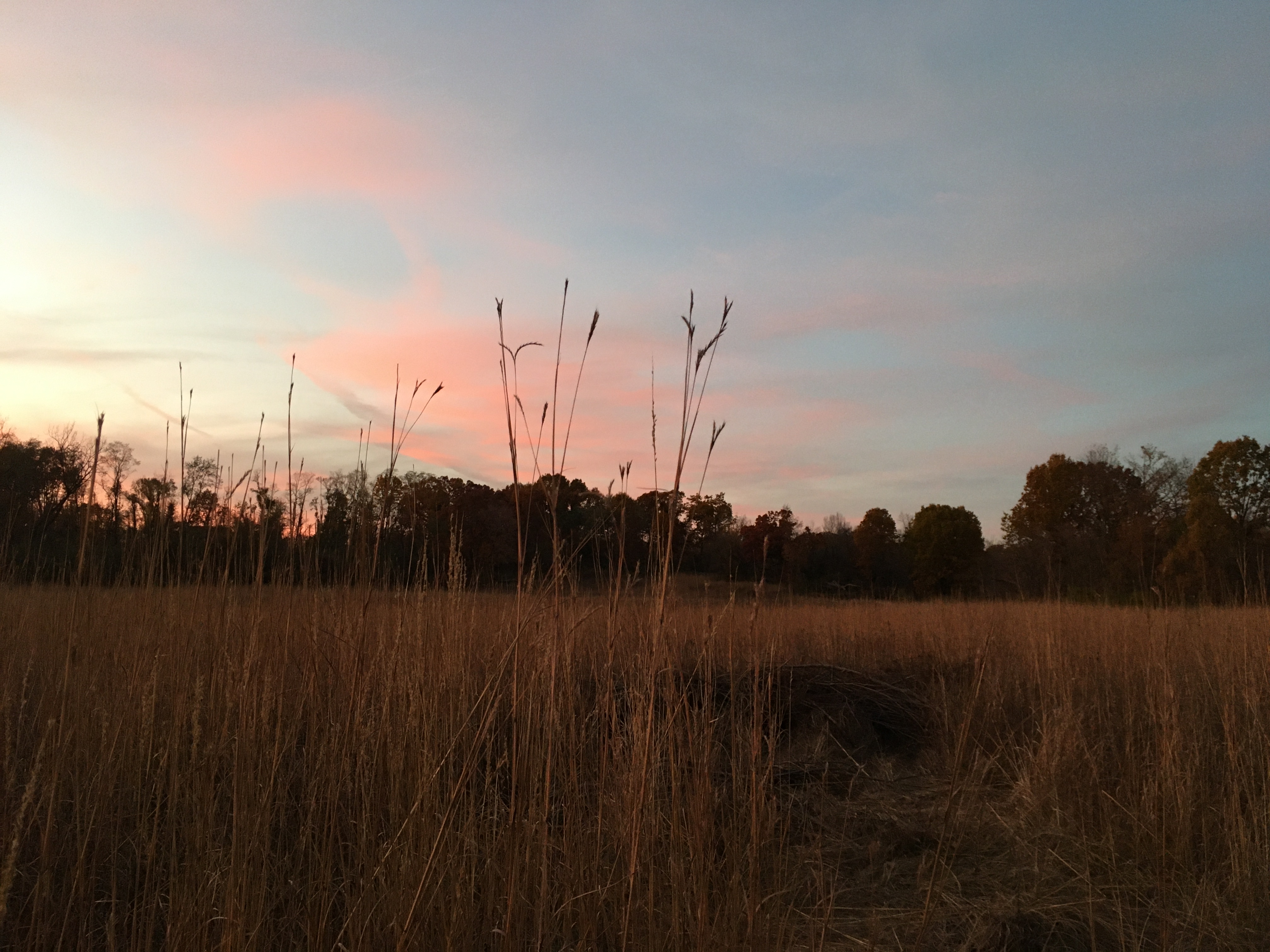
November 26


November 1
November 3
November 7
November 26

October 1

October 10

October 18 (this is definitely NOT in Iowa)

October 26

The best place to be, in relationship to a labyrinth, is inside the labyrinth. The second best place to be is 400 feet above. While the labyrinth at Indian Creek Nature Center still has a few rough spots and won’t be officially open until September, the first mowing of the path has revealed the beauty of the design. 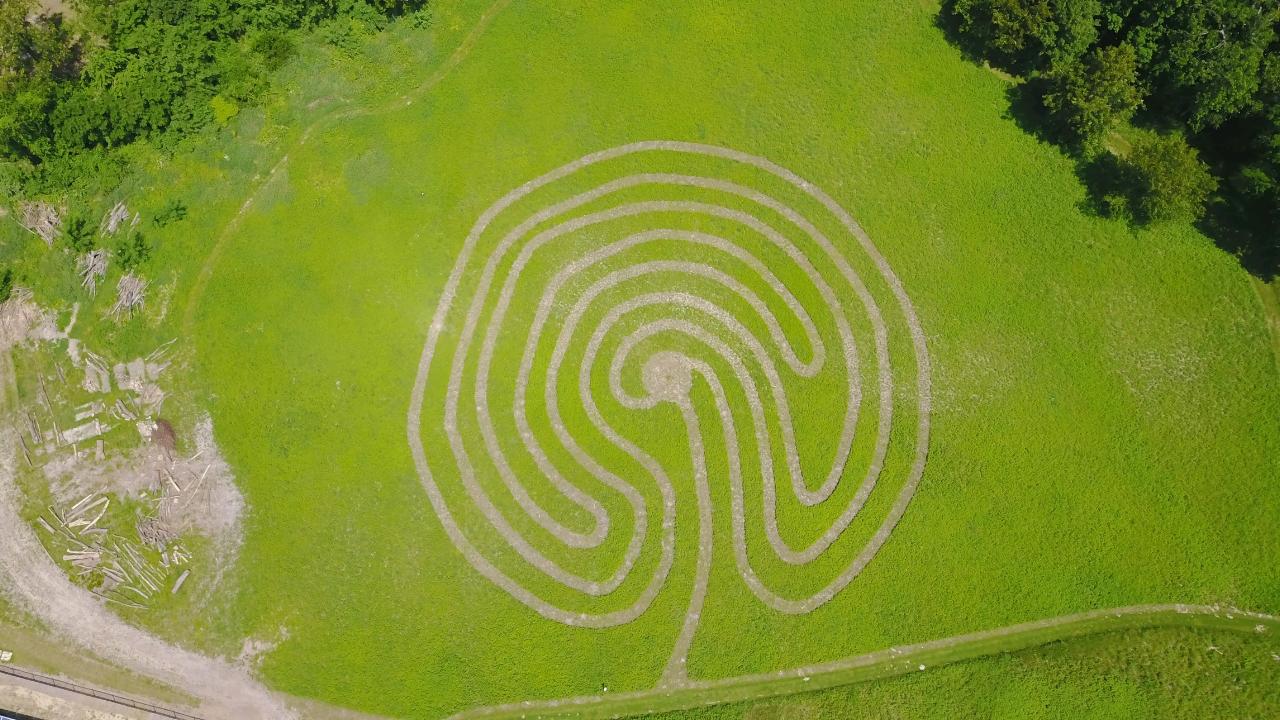
Every fall, two things happen that mark the shift from summer into the fall. The first is when someone calls to ask when to stop feeding the hummingbirds. The answer is whenever the hummingbirds stop eating the sugar water. They know when they need to fly south, and no amount of enticement on our part will convince them to stick around for winter.
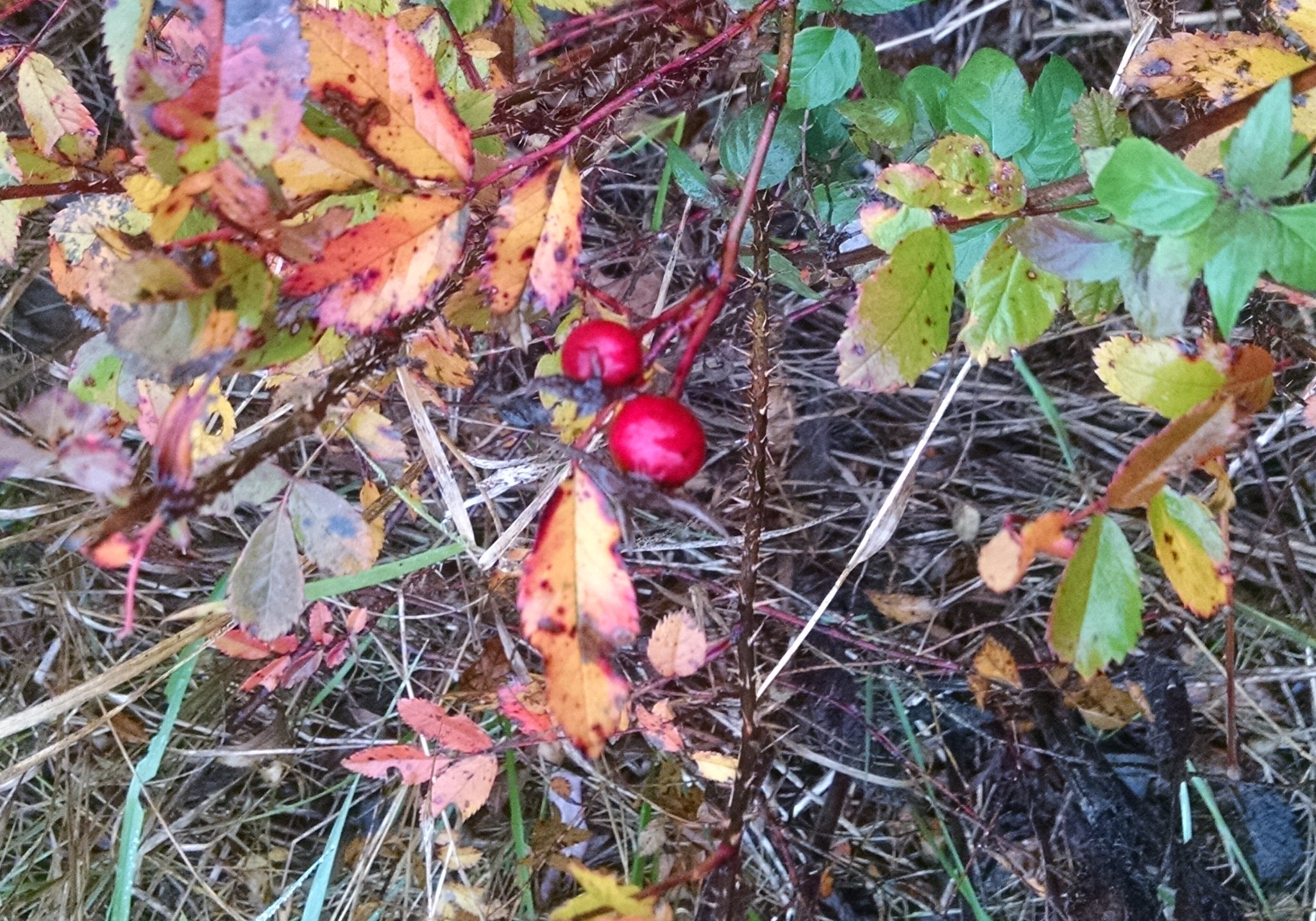
The second is when someone brings me a beautiful red leaf to identify.

There is, of course, plenty of non-hazardous beauty out there.


 The autumn skies have been beckoning, so we headed out to investigate a nearby park on the Wapsipinicon River. A helpful fisherman cautioned us when we arrived that the trails weren’t well maintained, which we quickly learned was a euphemism for “non existent” but that didn’t slow us down. Figuratively. Literally, beating your way through tangled masses of vegetation, that even deer were avoiding, over uneven ground…definetely made it an adventure. We weren’t worried, because we had both the river to follow “back” and in this particular part of eastern Iowa, there is typically a road every square mile.
We didn’t know it at the time, but it quickly turned in to a mushroom treasure hunt.


We were also treated to brilliant red of the false Solomon’s seal (Maianthemum racemosum). The real Solomon’s (Polygonatum biflorum) seal has blue berries, and instead of clustering at the top like this, they appear intermittently along the stem.
 When we were ready to head home, we pulled out the smart phone with map ap, which let us know exactly where we were. It helped us avoid detouring the long way around an oxbow and a wetland. A magical afternoon in the woods.

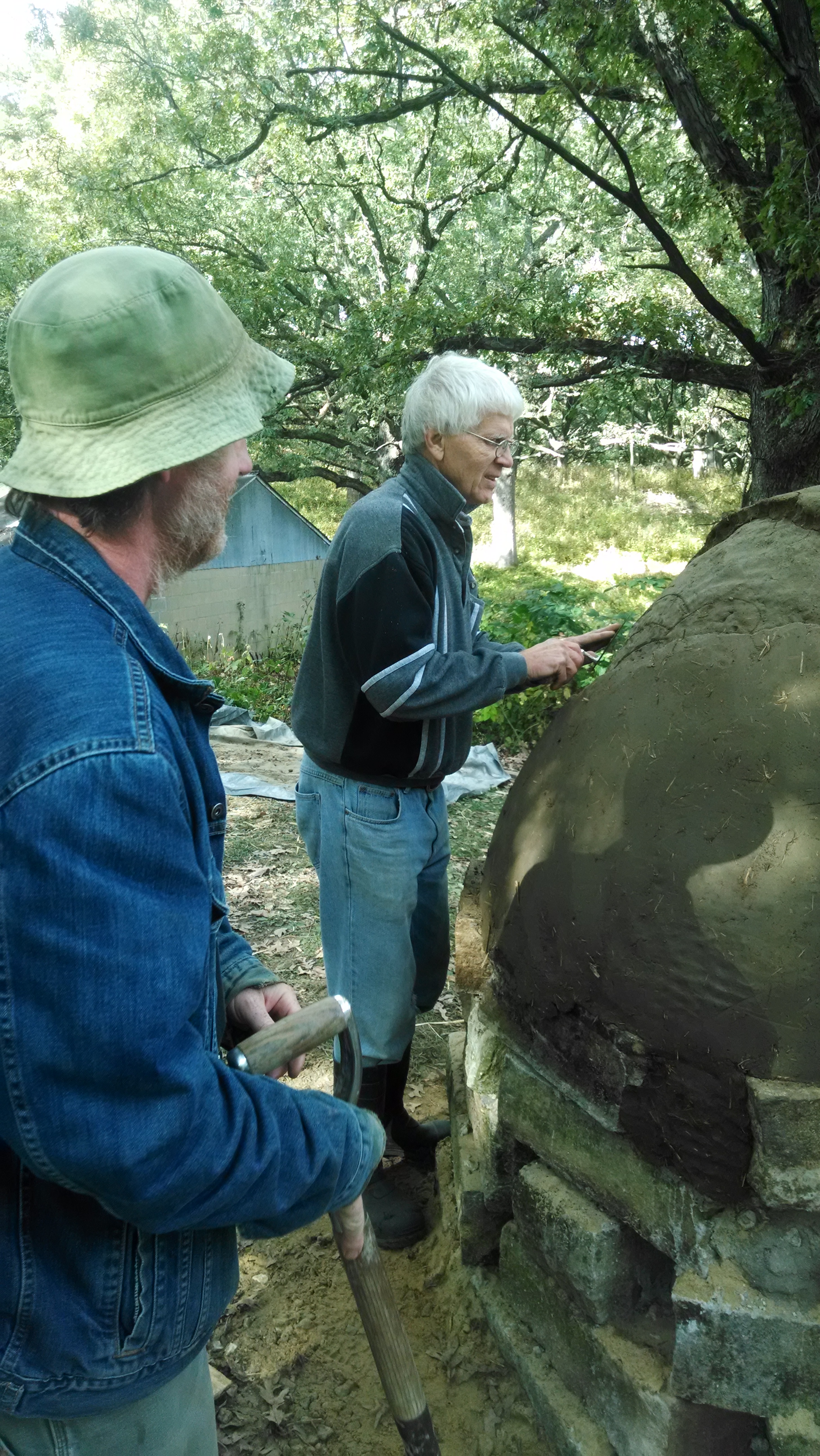
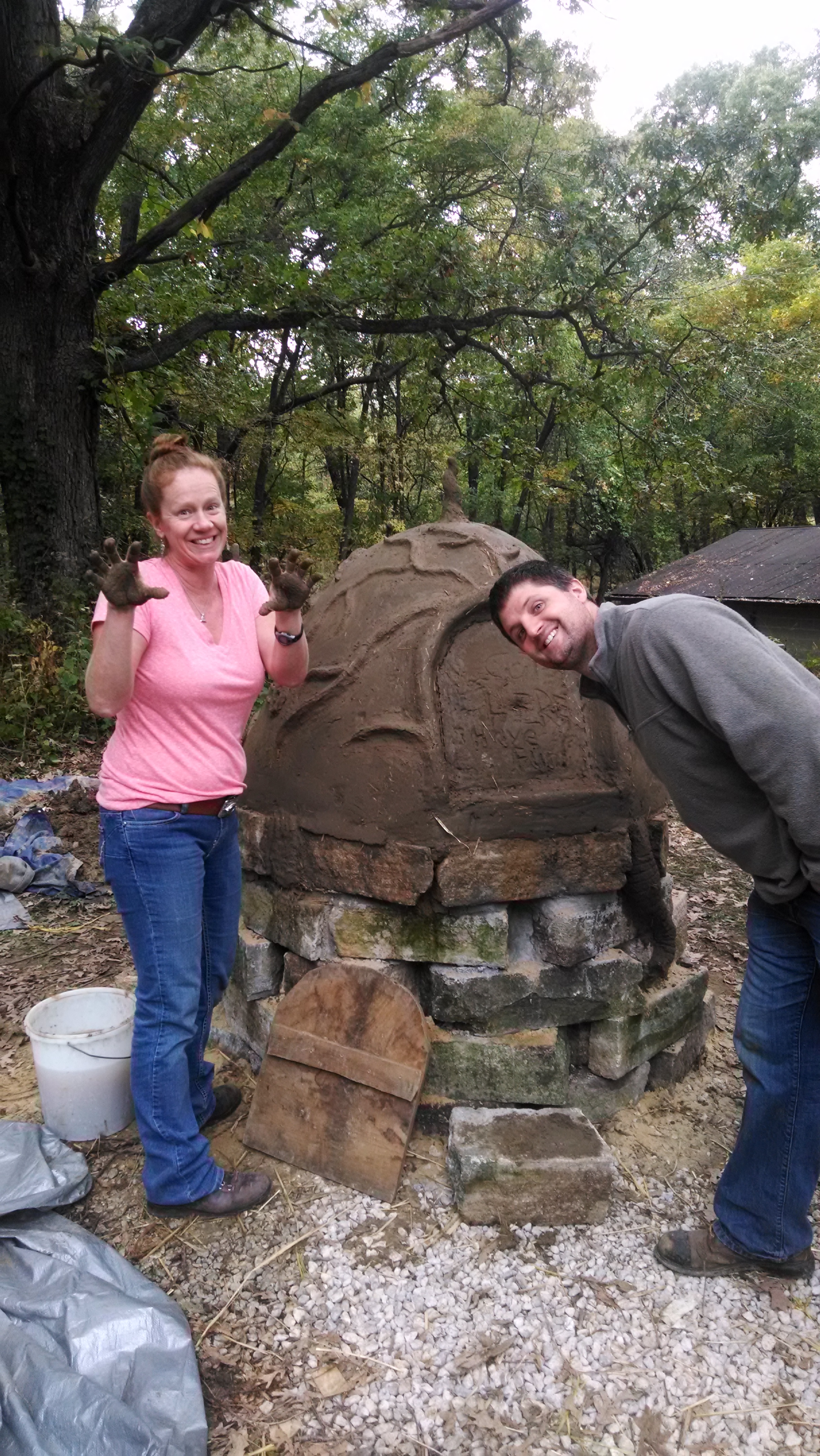
Dig down to the frost line, so everything doesn’t shift in the winter. Enlist friends to help with the digging.




 Pocket Mouse Publishing
