As the maple syruping season winds down, Indian Creek Nature Center is sharing the first harvest of the year with the community this weekend. The daytime temperatures have been unseasonably warm, in the 60’s and 70’s, and the night time temperatures have also been unseasonably warm, in the high 30’s and mid 40’s. Without the nights getting below freezing, the trees have produced a modest 280 gallons of sap-only enough to make about 6 gallons of syrup.
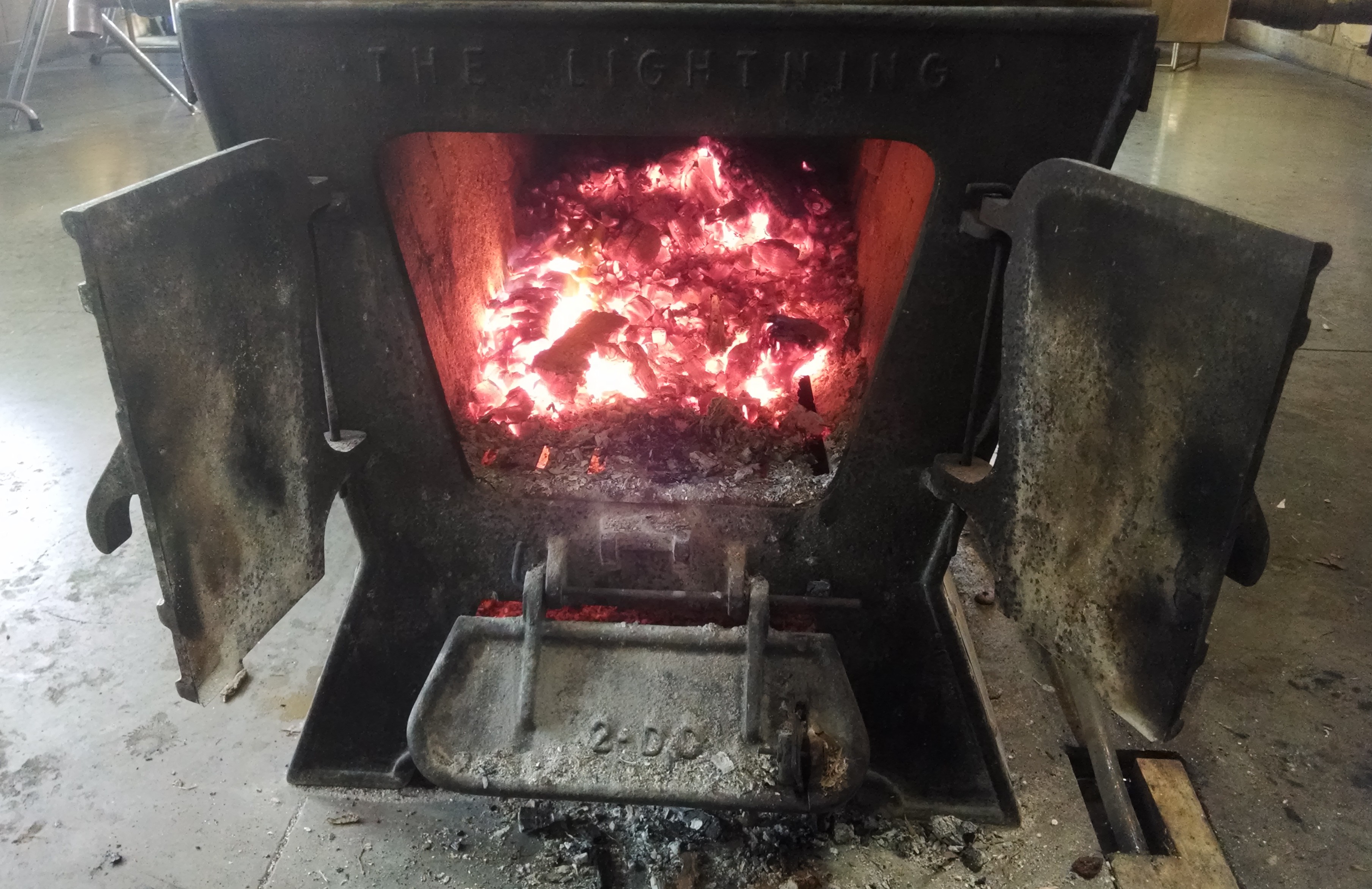
Maple syrup boils at 219 degrees, or 7 degrees above the boiling temperature of water. Wood, sustainably harvested at the Nature Center during restoration projects, provides the fuel for boiling.
If you only have one or two trees to tap or lack a good thermometer, consider drinking the sap or using it to make soups and stews. It has great flavor and is rich in minerals.
While the temperatures will likely get cold again, the silver maple trees are already budding out, signaling that the sugars (=good syrup) are changing to starches (=bad syrup). Many of the trees have simply stopped producing sap altogether.
Another sign that the seasons are shifting:
Mallard ducks are beginning to pair up.
The syruping is ending, but the next wild edible to emerge-stinging nettle-is just beginning to poke through the softening ground.
As spring progresses, keep an eye on the maples. Their flowers in March attract bees, and their sap attracts other things all year long.
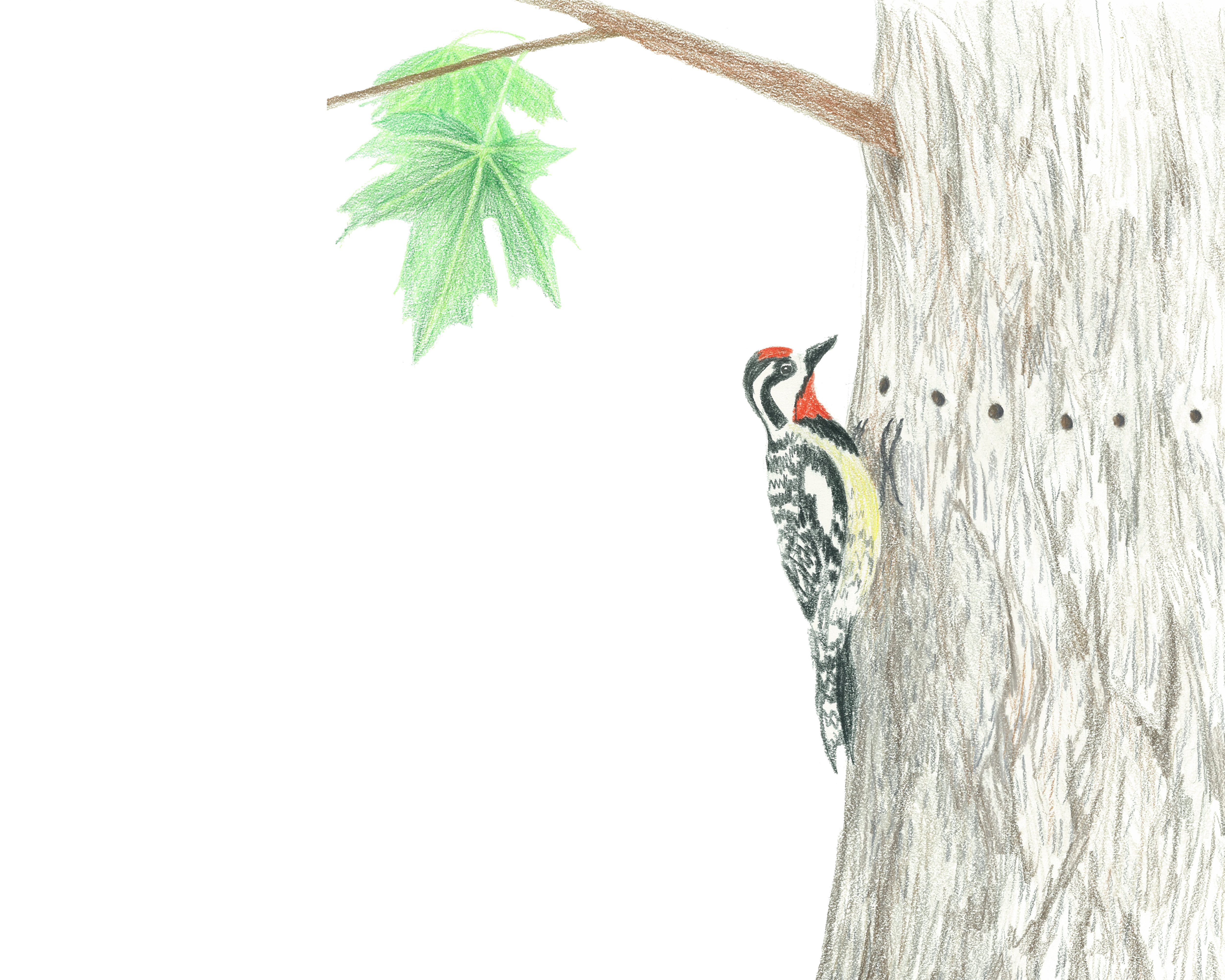
Yellow bellied sapsucker by Gabrielle Anderson from Hunting Red.
This page contain affiliate links which help support the site. Click here for more information.
A great way to be in nature this time of year is maple syruping.
Annie taps a silver maple tree. Silver maples usually grow along creeks and river bottoms.
When winter is still firmly entrenched but the change in the birdsong indicates spring must be playing hide and seek just under the snow, we take our power drills, our 7/16″ drillbits, our sapsacks and spiles, and head into the sugarbush.
All maples have branches that come out directly opposite each other, in pairs. Look for young twigs to see the branching pattern, as older branches may be broken.
All maple trees, including the sugar maple and the box elder, have opposite branches. Its one good indicator that the tree is a maple tree–the only other large tree in this area that has opposite branches is the ash tree.
Jeff hammers in the spile, which spills the sap out of the tree, and hangs the bag to collect the sap.
If you don’t have a maple tree, plant one! Maples grow quickly, which will allow you–or someone who comes after you–to enjoy harvesting the sap, boiling it into syrup, and living directly off the land.
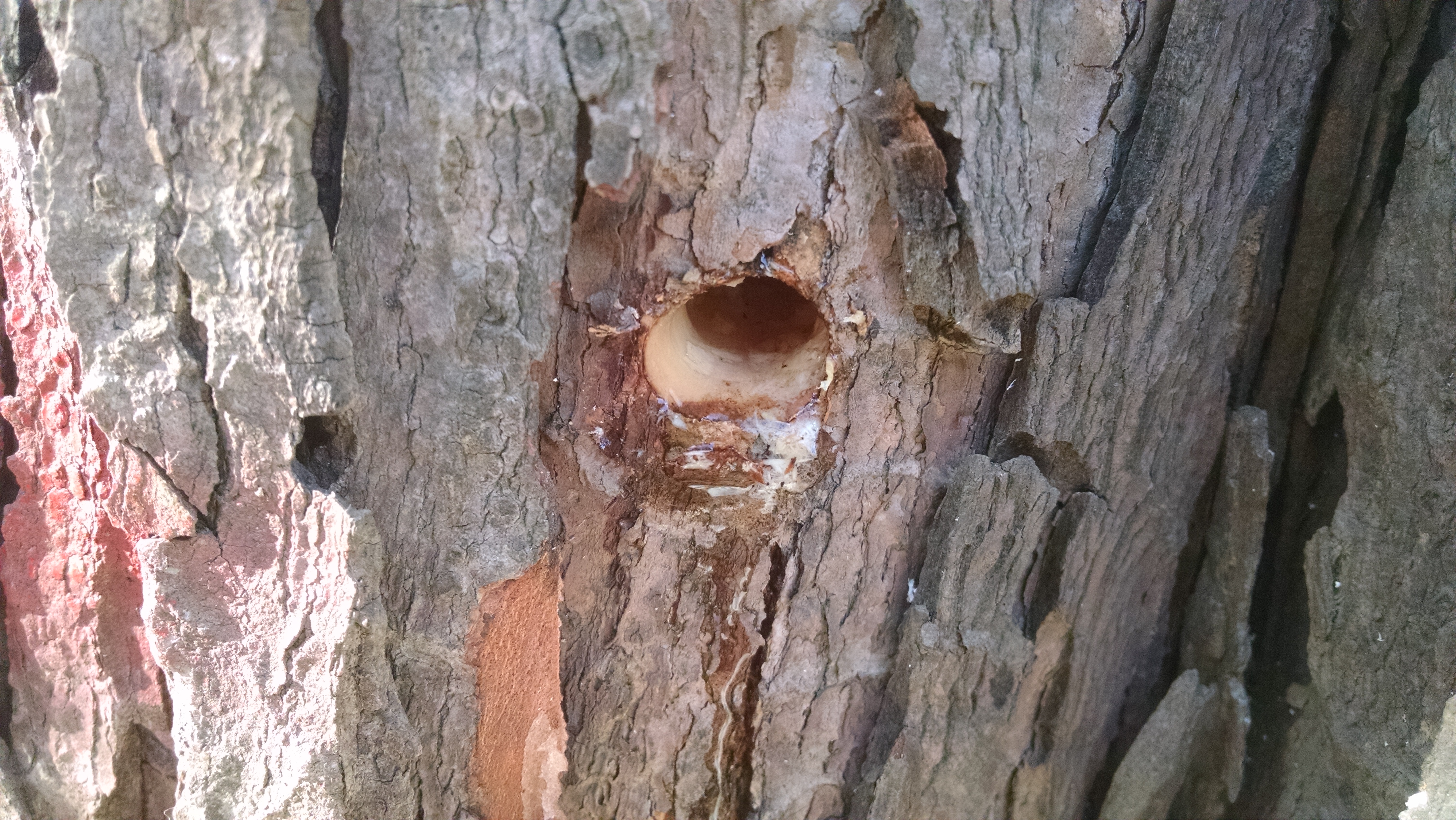
Hole tapped by a pileated woodpecker, hunting for insects. Unless a dead tree is threatening a path or building, they create rich habitat if left standing.
Being in the Sugarbush is a great way to see who else is spending time in the woods and what they are eating. As soon as it warms up a bit and the sap starts running, we’ll be back every warm day over the next five weeks to gather it. The repeated trips to the forest over the next five weeks will give us opportunities to explore the gradual shift into spring, as well as collect gallons of sweet sap. Visit www.indiancreeknaturecenter.org to learn more about syruping.
Pileated woodpecker by Gabrielle Anderson, from Hunting Red.








 Pocket Mouse Publishing