
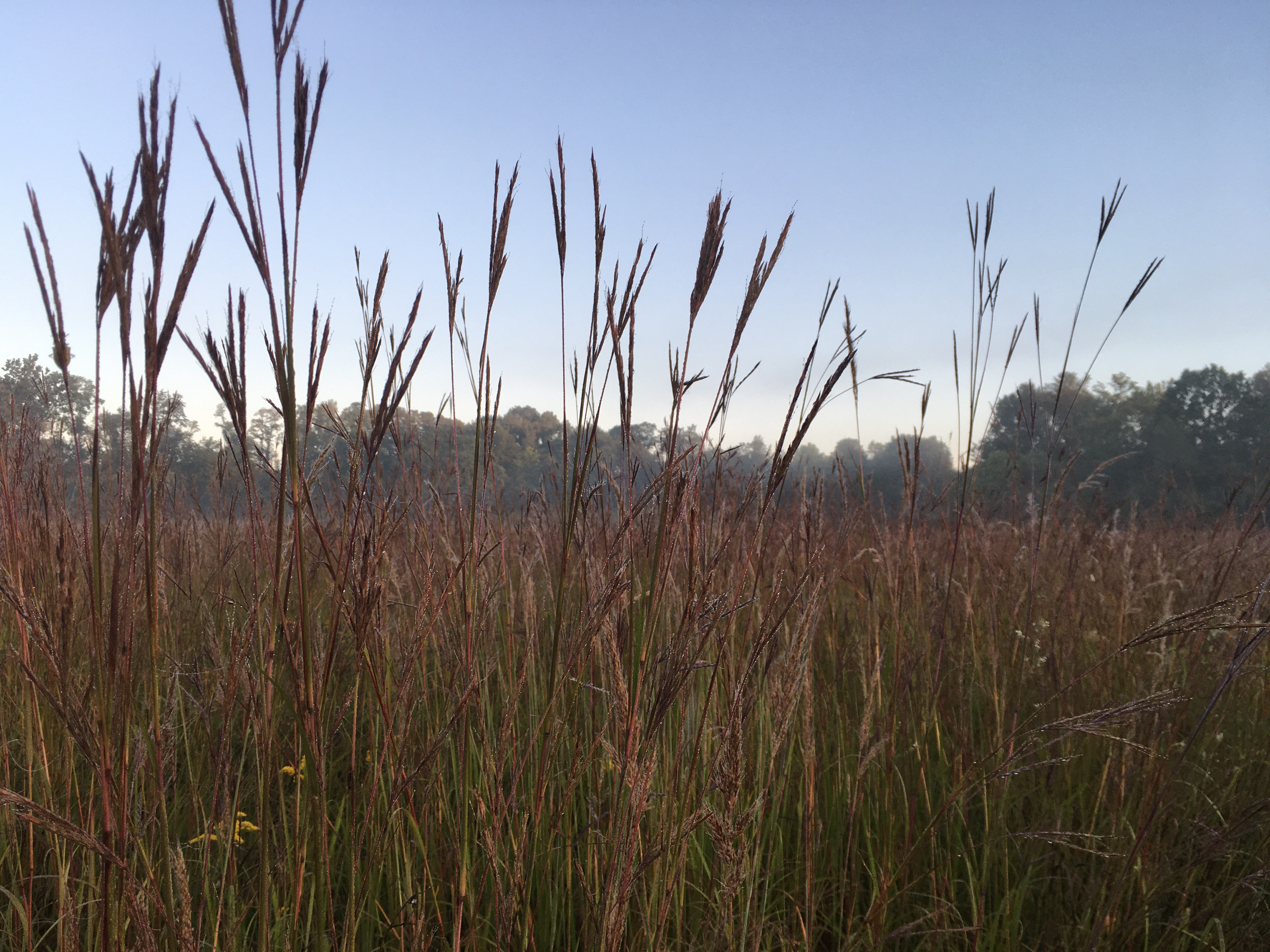
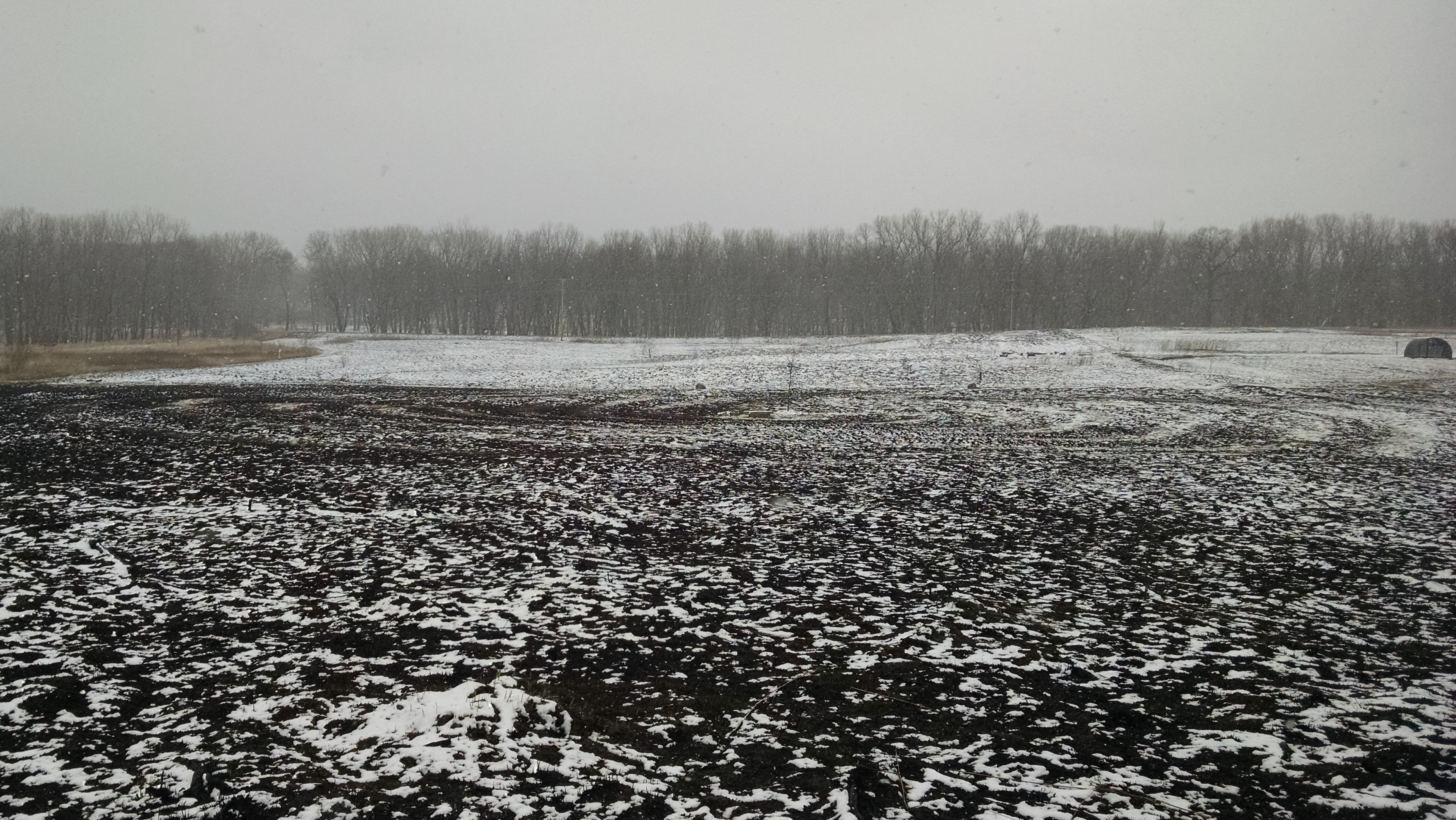
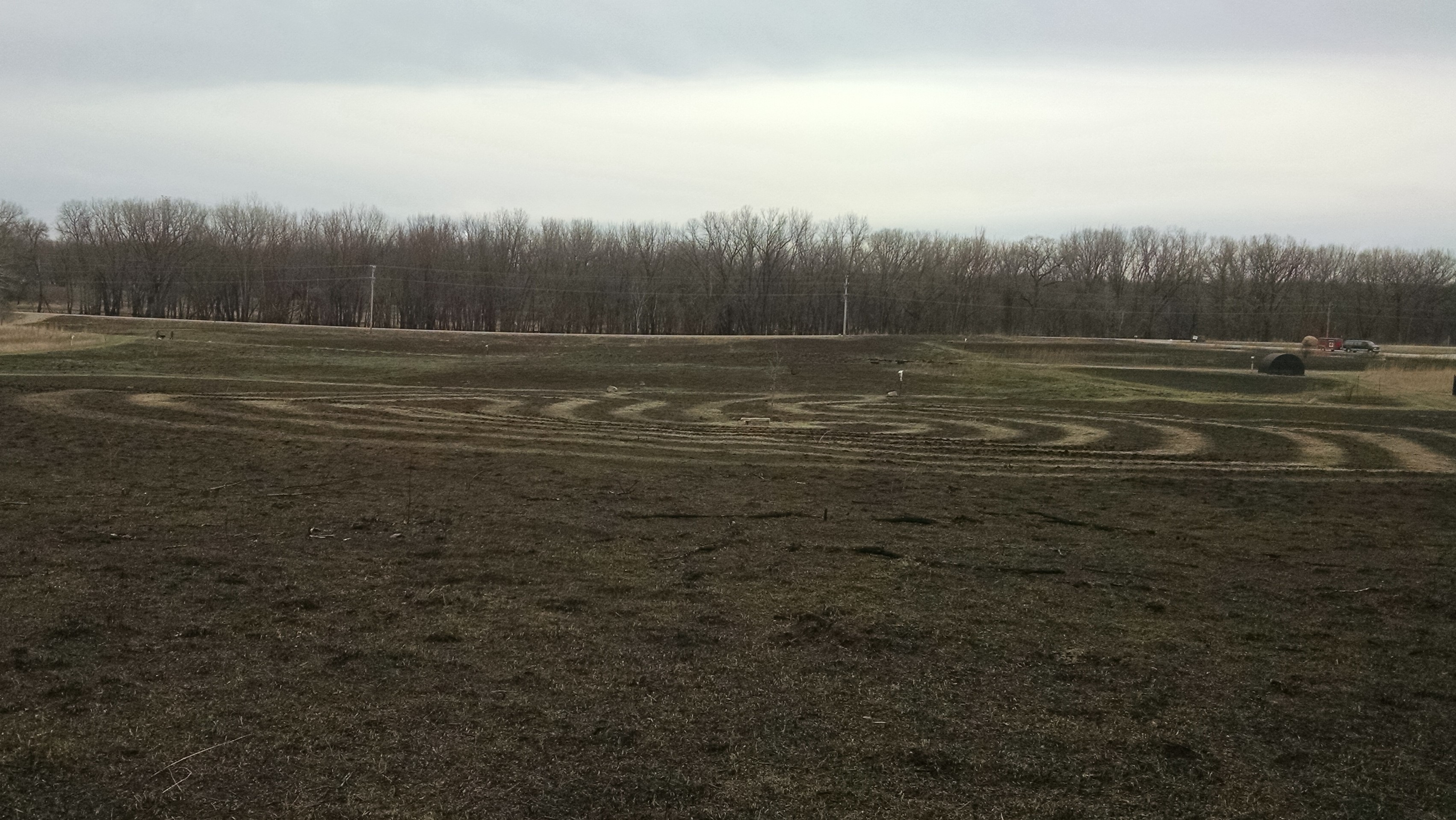
October 1

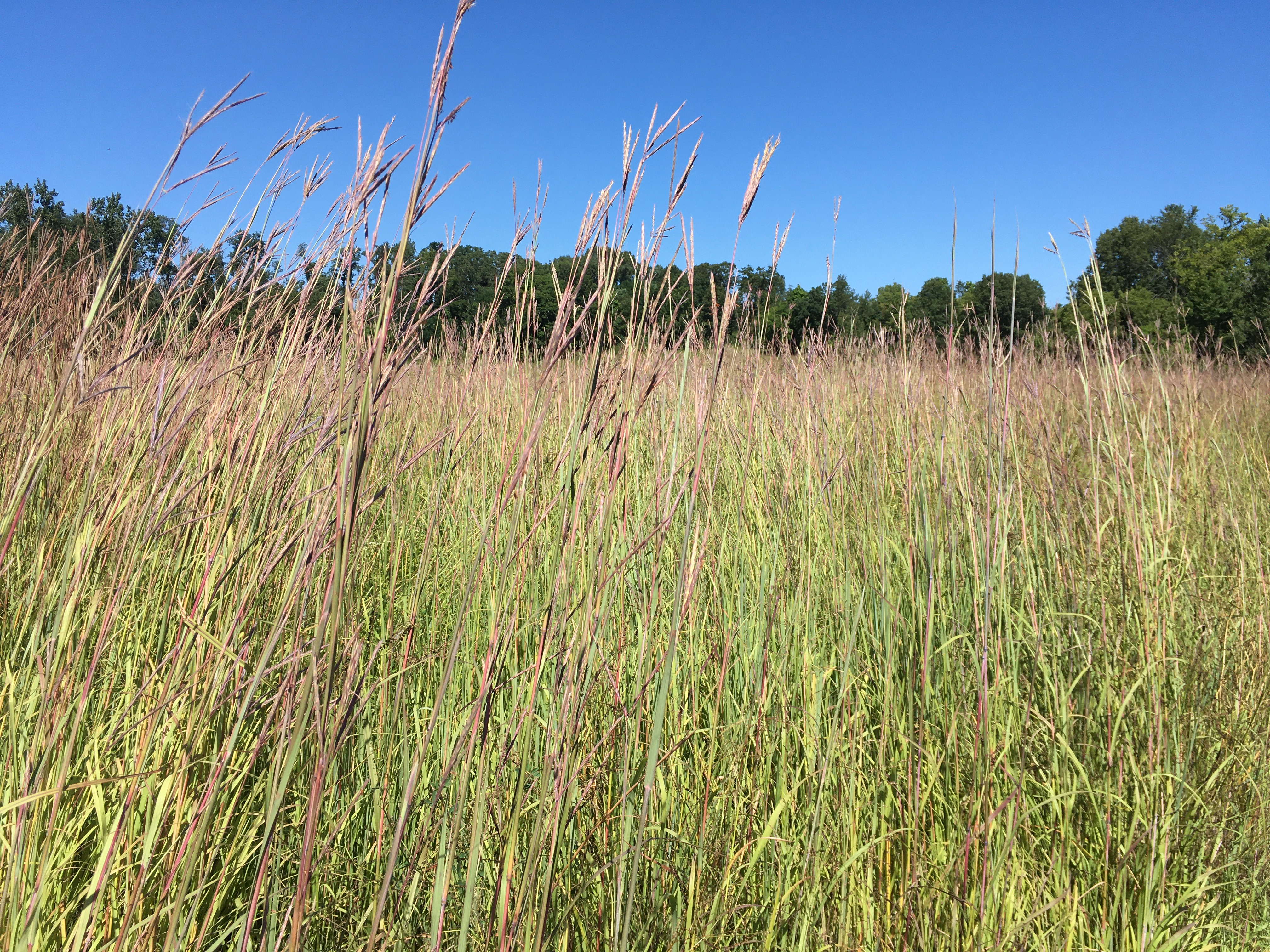
October 10

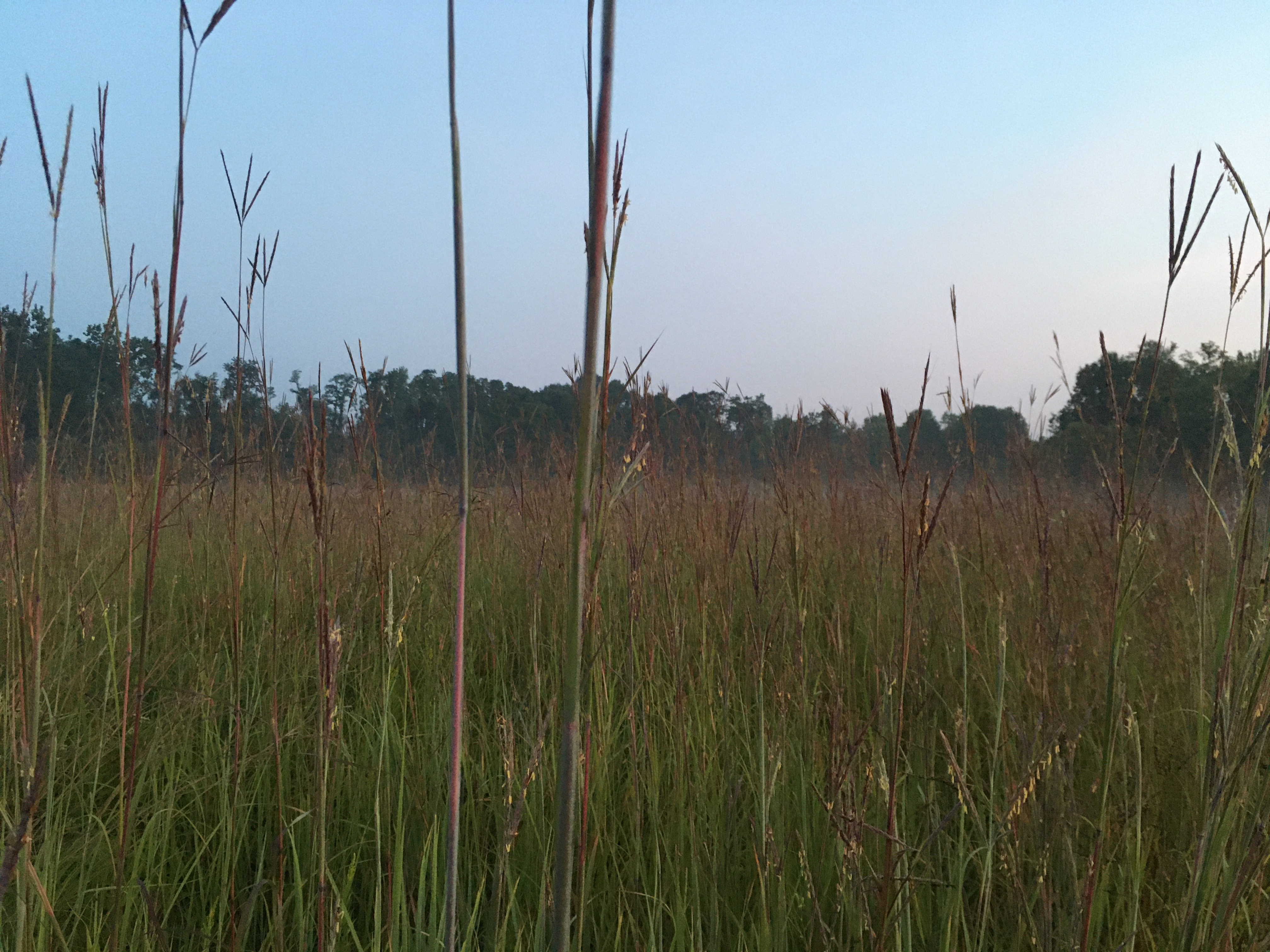
October 18 (this is definitely NOT in Iowa)

October 26


October 1
October 10
October 18 (this is definitely NOT in Iowa)
October 26





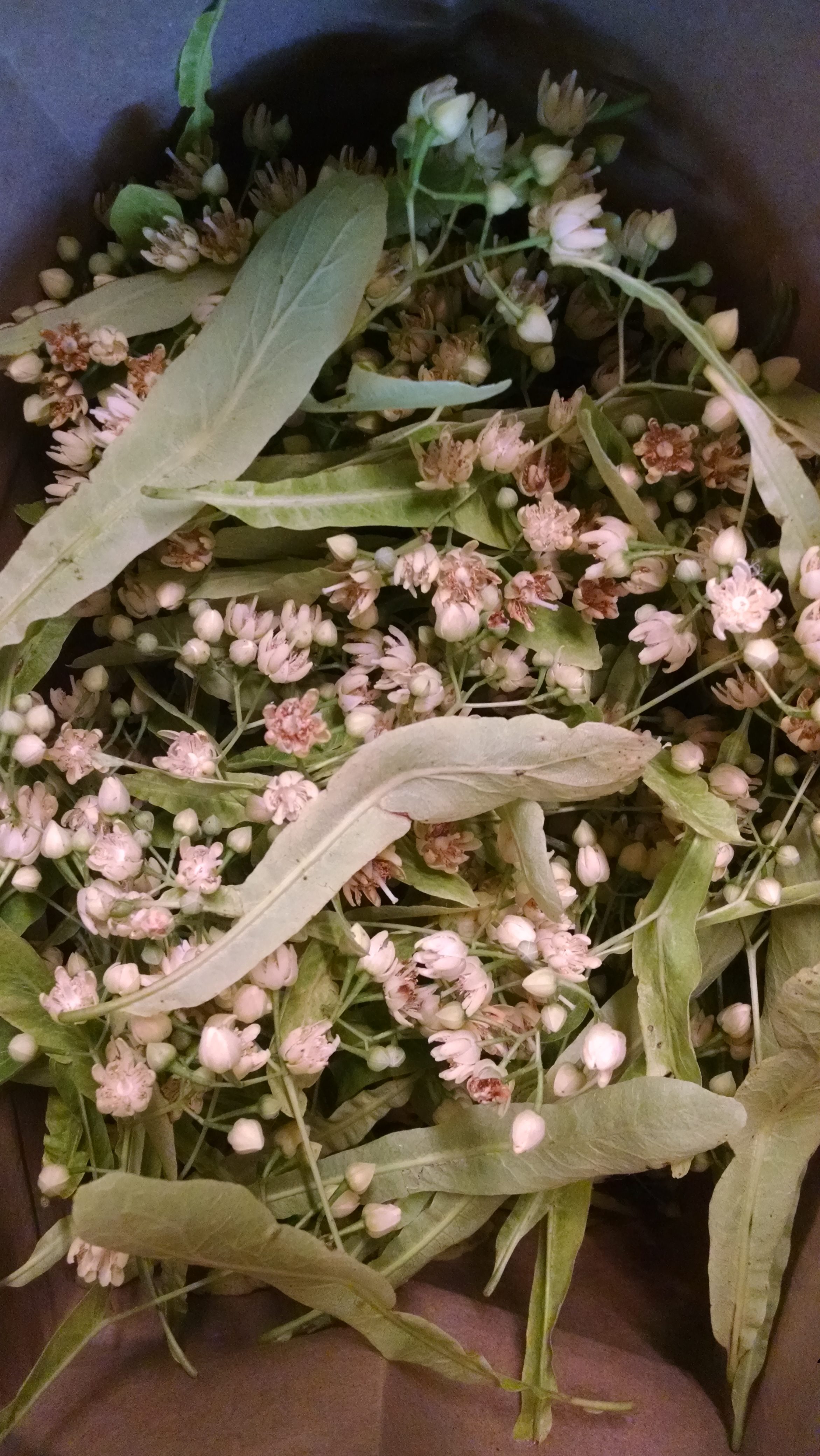
After spending three seasons missing the linden flower harvest, I finally got it right: summer solstice. The blossoms have a beautiful delicate scent, and make a lovely tea. As the elderberry flowers are also in full bloom, I’ve been enjoying the two together in the evenings.

We planted linden trees in and around the parking lot of Amazing Space. Not only will they grow quickly, to provide shade for the vehicles, but their blooms are popular with the bees (and me!). The leaf buds and young leaves are also edible.
It was difficult to pick the perfect tree for landscaping the parking lot. On a completely practical level, the criteria were straightforward: native, edible, and no messy fruits or large nuts to drop on cars. The linden gives us that. I hope, as they mature, the landscape will evoke the same feelings one has when visiting the Lindenhof in Zurich, Switzerland. It is a place rich in cultural history and a place people gather to share time with one another.
We had a beautiful, restorative fire on the Bena Prairie Friday. It started, like many fires, with a simple strike of a match. To start a prairie fire, I like to make a small ball of dry material, similar to a mouse nest, and place it at the base of standing prairie grasses, such as big bluestem.
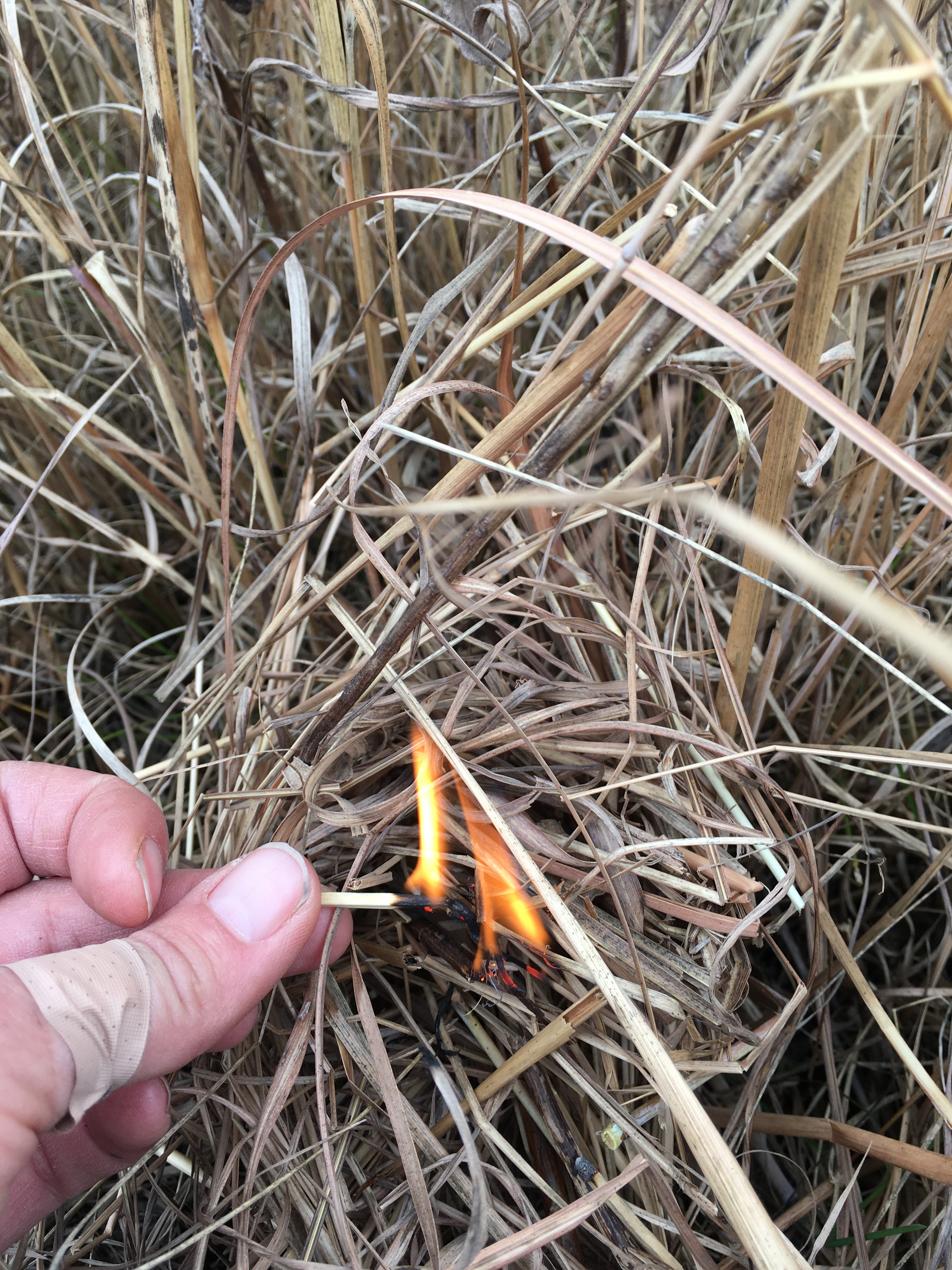
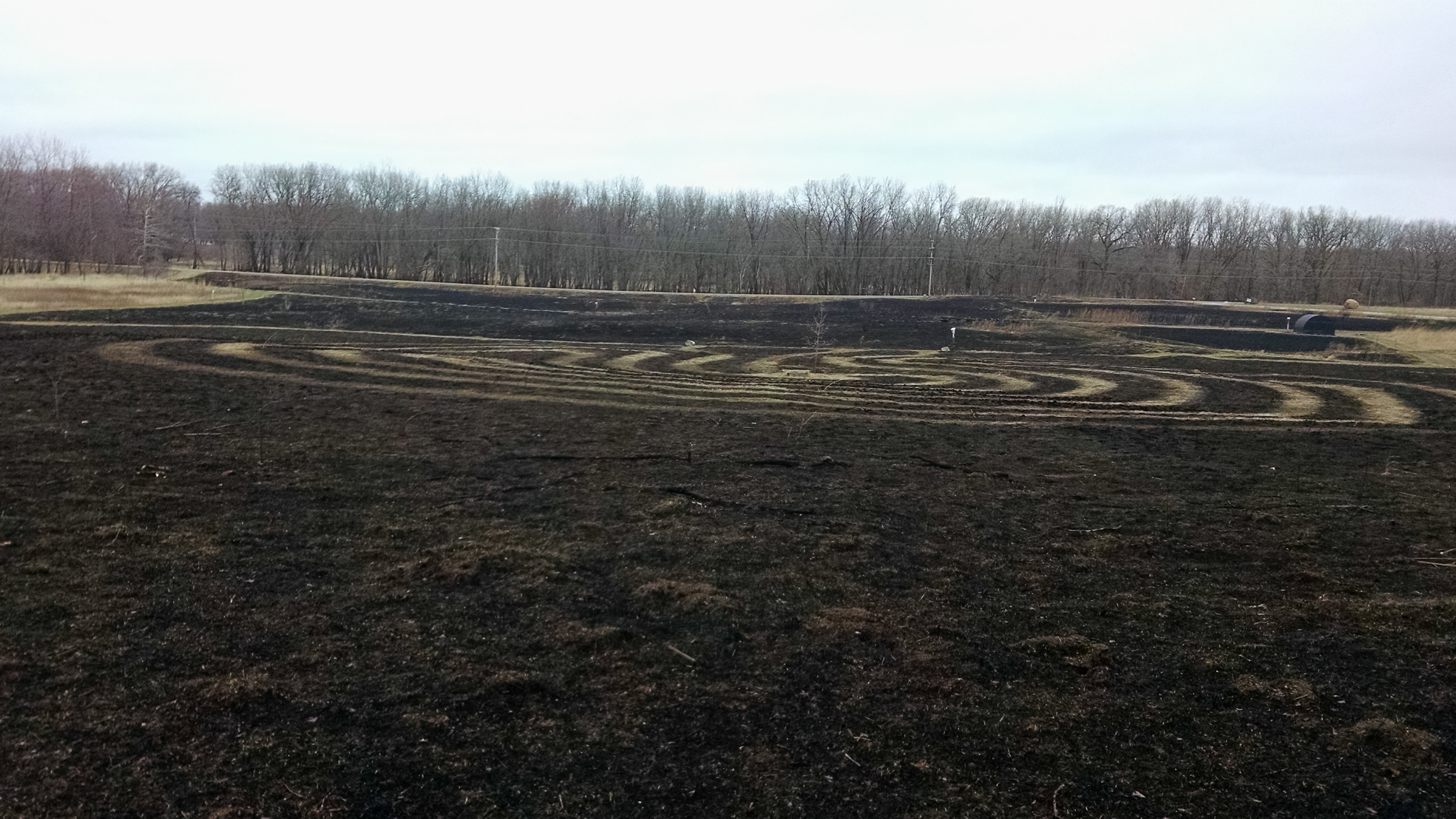
From the match strike, the grasses of the tallgrass prairie, the topography of the land, and the wind should combine to create a prairie fire. We coax it along with our rakes and suppress it with our water tanks, but the fire itself is a living force on the land, bringing dynamic change. In the long term, it will be a positive change on the landscape. Locally, it will look stark until spring. When spring comes, the burned areas will green up sooner than unburned areas. There will be more flowers, and the vegetation will be taller than in areas that didn’t burn. Many of the young seedling trees trying to become established will die in the fire, enabling the prairie to remain a prairie for years to come.


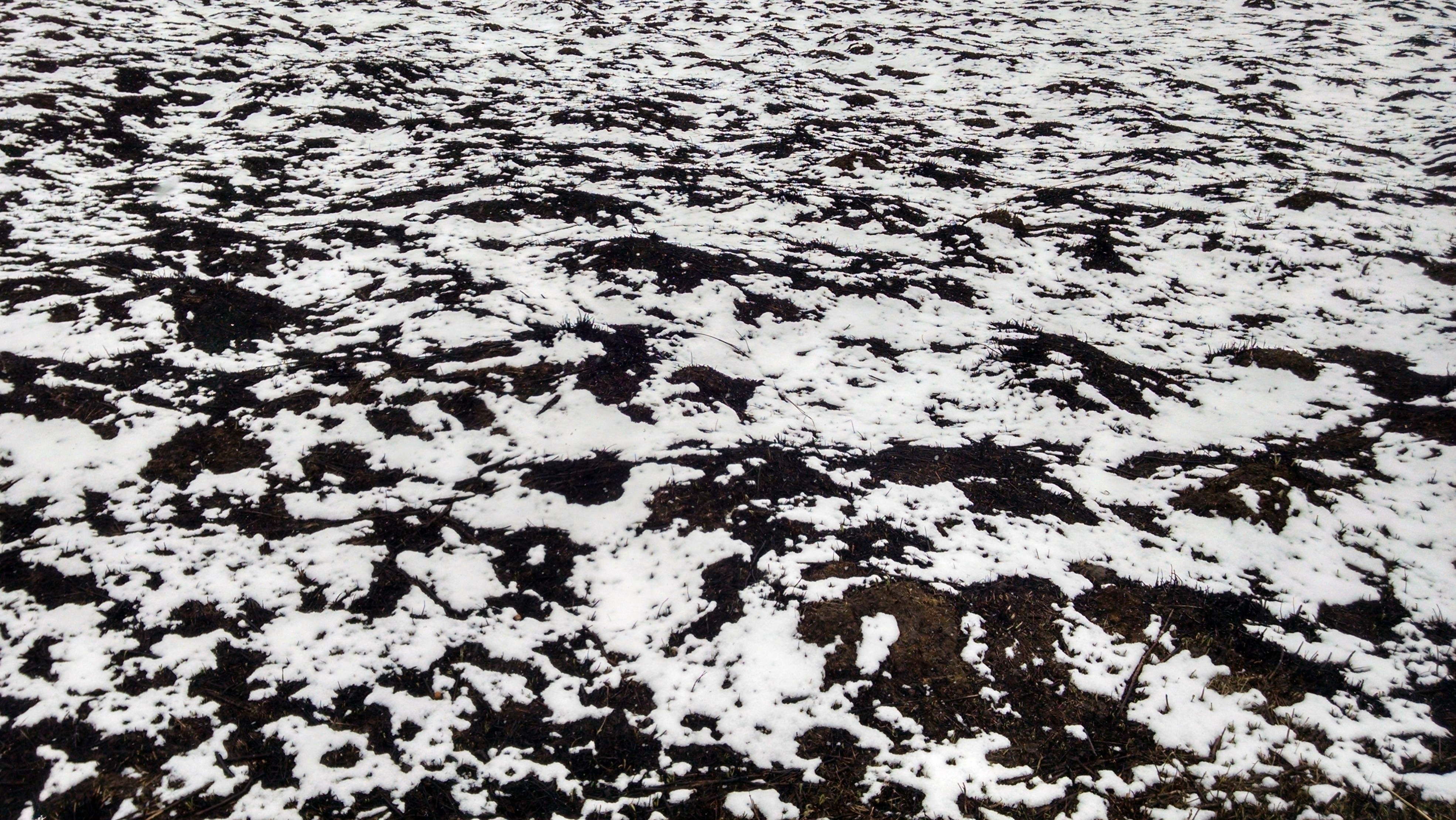
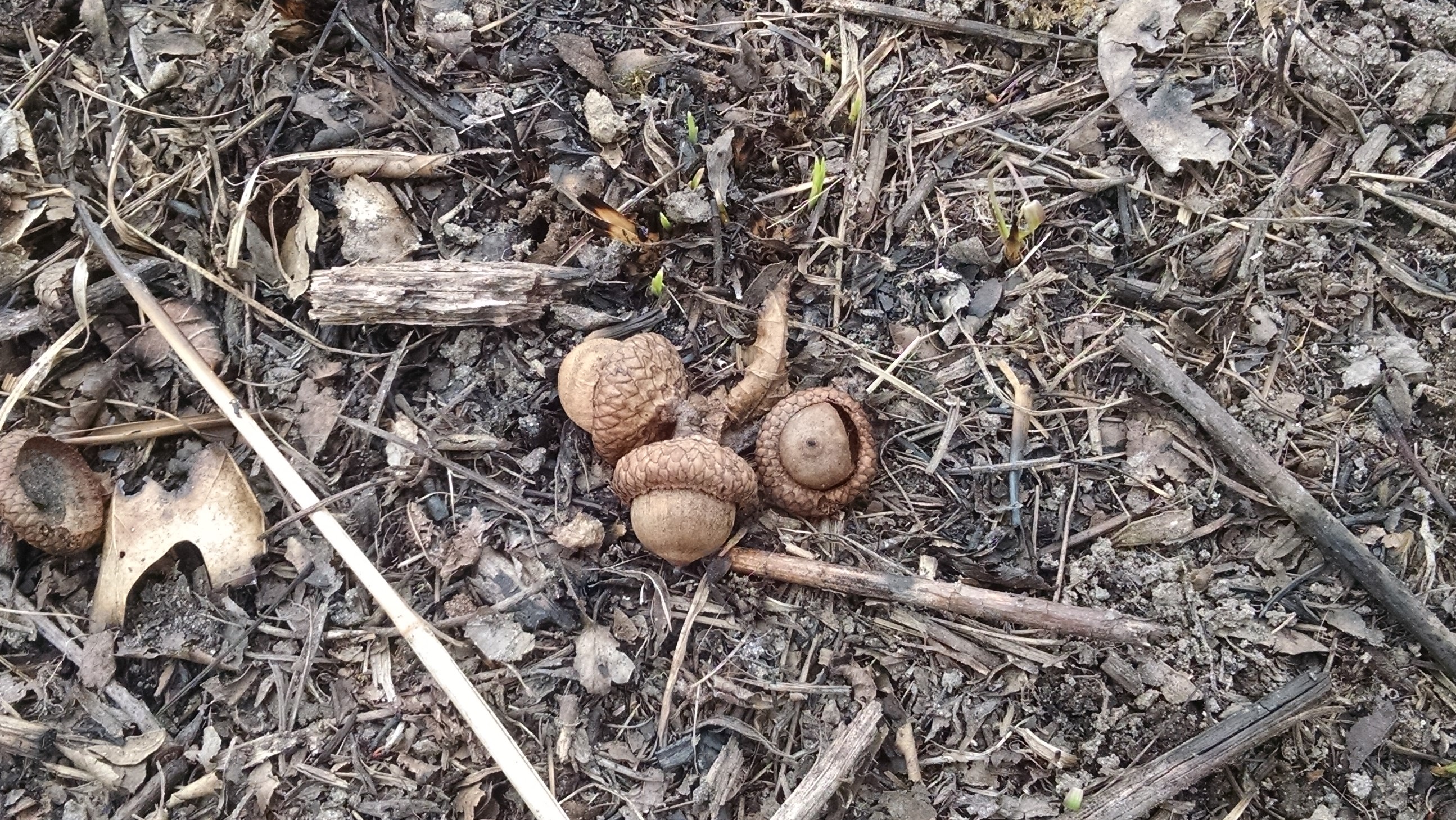



One concern I have with the phrase “food forest” is that it implies that the rest of the forest is inedible. Nothing could be further from the truth, at least in Iowa. Upland forest canopies are dominated by oaks and hickories, with a handful of butternuts mixed in. The midlands are full of mulberries, black cherries and black walnuts. Even the bottomlands, with their thick stands of silver maples and lindens, are full of edible life.

In most landscapes, I focus on the natural history of the land, and ask what would be here, if we hadn’t cut the trees, grubbed out the roots, and planted corn in the heart of the forest? What is missing from both this particular plot, as well as the surrounding areas? What would increase the native diversity and resilience of the ecosystem?
In a food forest, I narrow that focus to species that 1) are native to the area, and 2) are fairly straightforward for humans to eat. A food forest has a greater concentration of native edible species than you might naturally find in a woodland. Done properly, a guest wouldn’t necessarily notice they were in a food forest; they would simply notice that they were in a beautiful woodland with abundant opportunities for them to forage as they walked. People are so far removed from what is and is not edible without a plastic wrap label and a price tag on it, I’ll probably need to put out signs. There isn’t much point, if people don’t know that the food in the forest is there for them.

The pocket of sunlight we created this winter will be planted to maples this spring. I am locally sourcing Black Maple from Fleming Nursery and Sugar Maple from Hughes Nursery. Just downhill from the clearing is a large silver maple, well-suited to flooding. Mulberry and black cherry are already growing in the area, and we planted butternuts last year.
My friend Shannon just left a sack of bladdernut (Staphylea trifolia) seeds on my desk. I know it was her, because how many of my friends know what a bladdernut is, much less that nothing would make me happier? A few years ago, Jerry brought home a pappery husk and asked me what it was. It took me a while to identify, because not only were they lacking from our forest, but as a diminutive understory tree, the bladdernut doesn’t make it in to many of the tree guides. The bladdernut is a delightful understory tree with an edible, if small, nut. We’ve only seen the single grove, a small layer in a larger grove of oaks, in the one location. I couldn’t find any one who sells them to plant at Amazing Space.

Next year, this important little cog will be replanted in the ecosystem, replacing a stand of invasive honeysuckles that currently do nothing more than provide a home for a feral cat and a handful of cowbirds.
in 2017 we planted paw paws (Asimina triloba) from Red Fern Farm. Another species once native, now vanished, will yield a mango-tasting, native fruit in coming years. It was likely originally native a bit south of here, but global warming is with us to stay. Ticks are now still active in February.
There are a handful of butternut (Juglans cinerea) trees on the property, but all are heavily cankered. Another friend, Roger, stratified a handful of nuts we collected in 2016, and started them in the spring. If I can keep the seedlings mulched, watered, and weeded, I can worry less about the species dying out here. And nothing is tastier than a butternut pie.
In years gone by, it took a community to manage and harvest the bounty from the forest. Today, it still takes a community to do the same. We just have better shovels (or on lucky days, PTO-driven augers) for planting seedlings and chainsaws for faster tree cutting. This should leave us plenty of time to enjoy a cup of tea by the fire with friends.
 Pocket Mouse Publishing