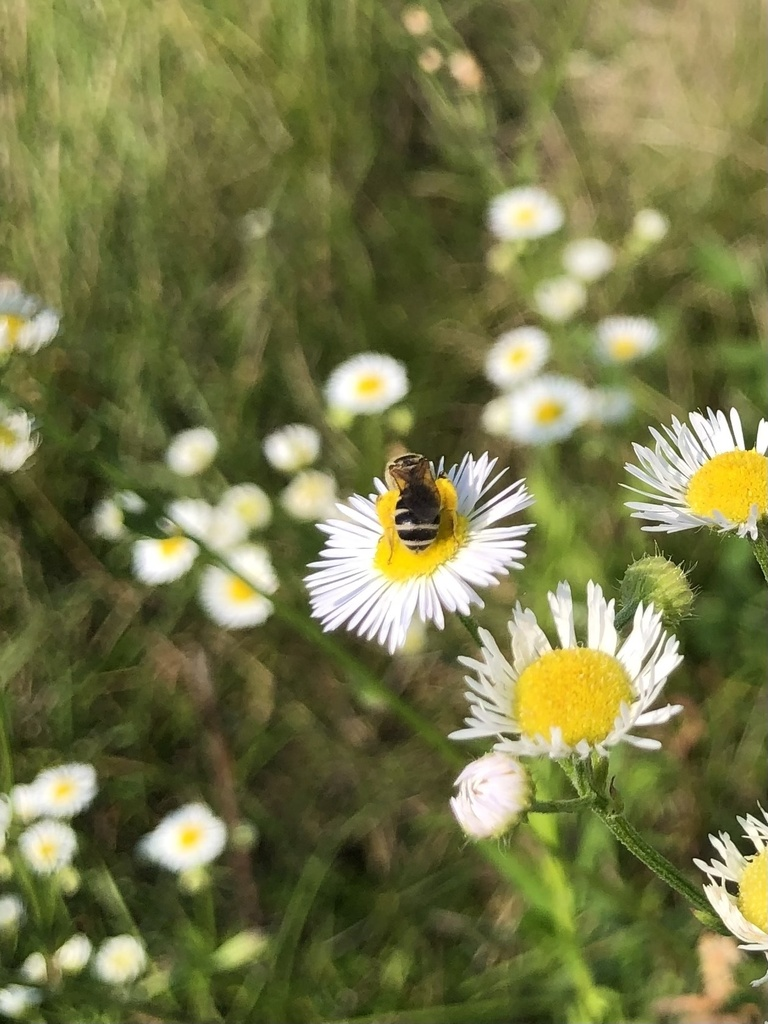
I am usually all about leaving your phone at home, or at least in your car. But the iNatuarlist app helps you look more closely. Not only will you be introduced to a whole new world of insects, plants, and fungi, but odds are quite good that either the app itself, or someone in the international ecological community, will help you identify what you saw. The data you generate can help support scientific research, as well as create a very accurate picture of what is happening in nature and who you are sharing the neighborhood with. It creates a real time, shared map of the ecology in your area.
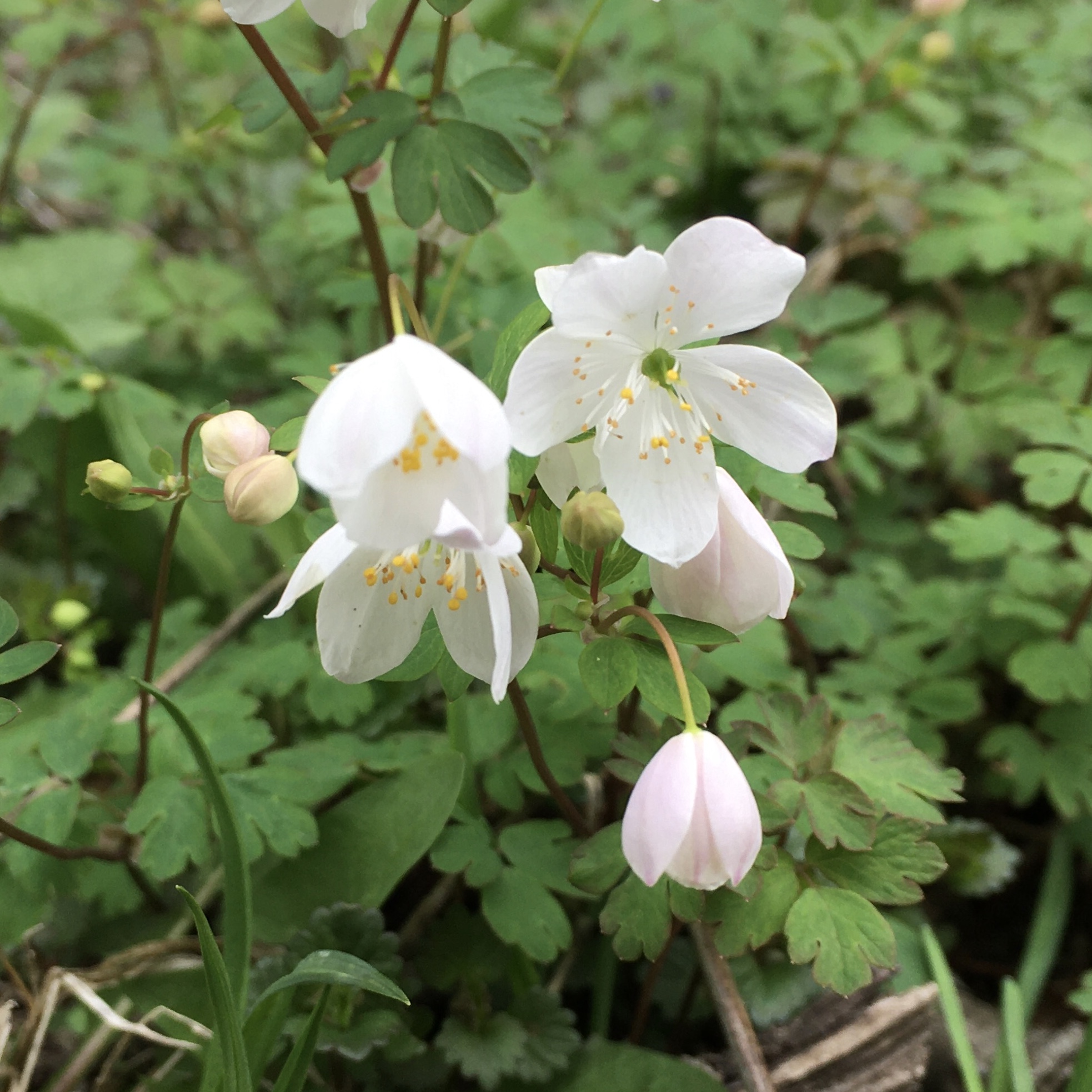
Our woodland wildflowers are ephemeral, providing a seasonally unique magical experience of bright colors in the woodlands. Diminutive blues, whites and pinks pop up throughout the brown leaves of winter like candy sprinkles on a donut (but don’t eat them). In another month, the leaves will unfurl on the oaks and the maples, creating too much shade for the spring ephemerals to continue to flourish. They will store their nutrients underground and disappear from our view until next spring. But for now, they add a rich layer of color, and are providing an early valuable food source for our native pollinators.
For a truly immersive experience, I recommend starting on the west side of Amazing Space and heading north (uphill) along the Cedar Overlook trail. For something a bit less hilly, I recommend parking at the wetland parking lot and walk east along Wood Duck Way, paying attention to the oak ridge that will be on your north.
I know, you have been wondering why “volunteering” hasn’t been part of every post, haven’t you? But this is a very special volunteer opportunity. It only happens this time of year. We hike into the woods with our drills and our spiles and our sap sacks, and we hope with a good set of maple-identification-skills.
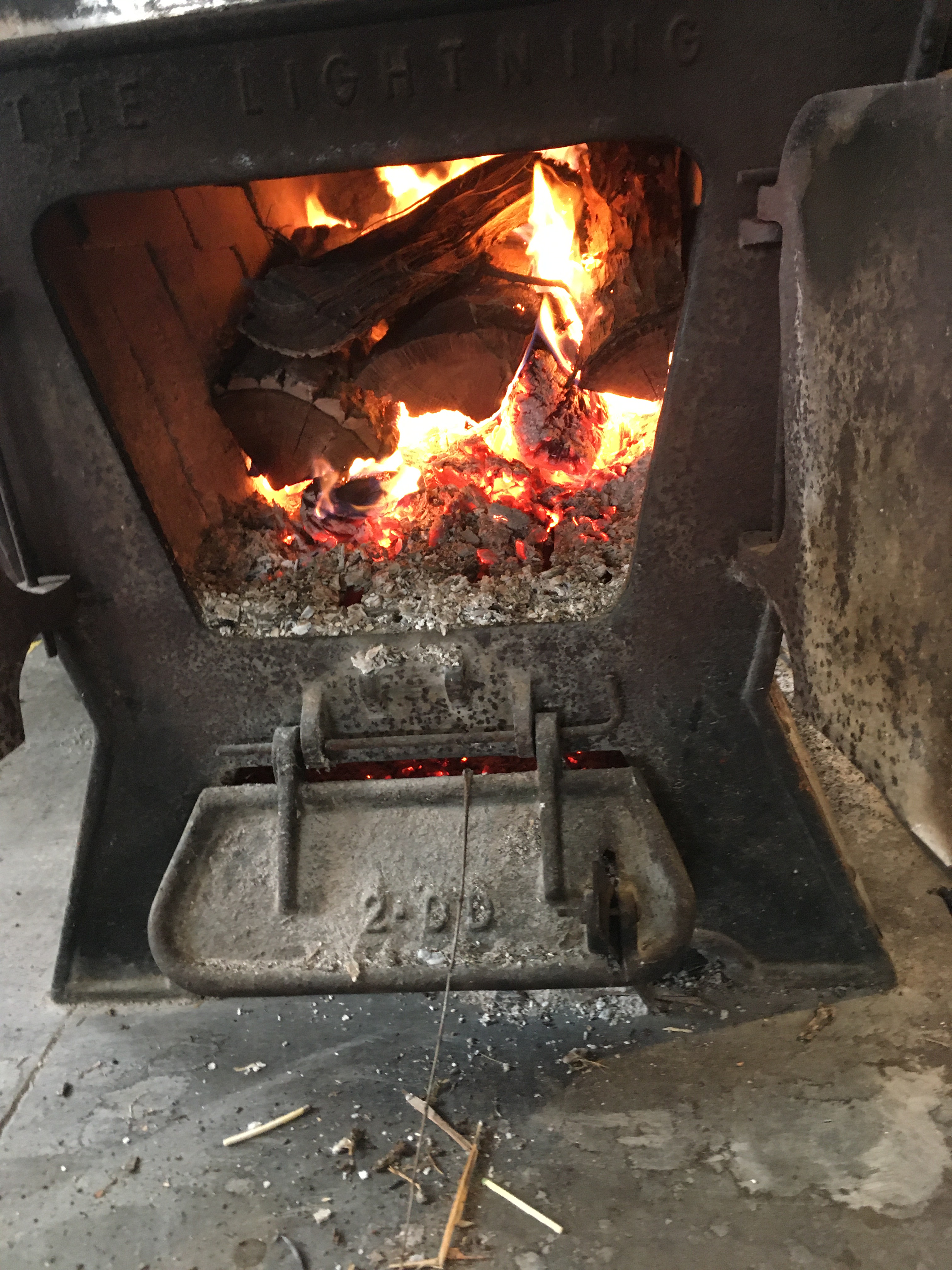
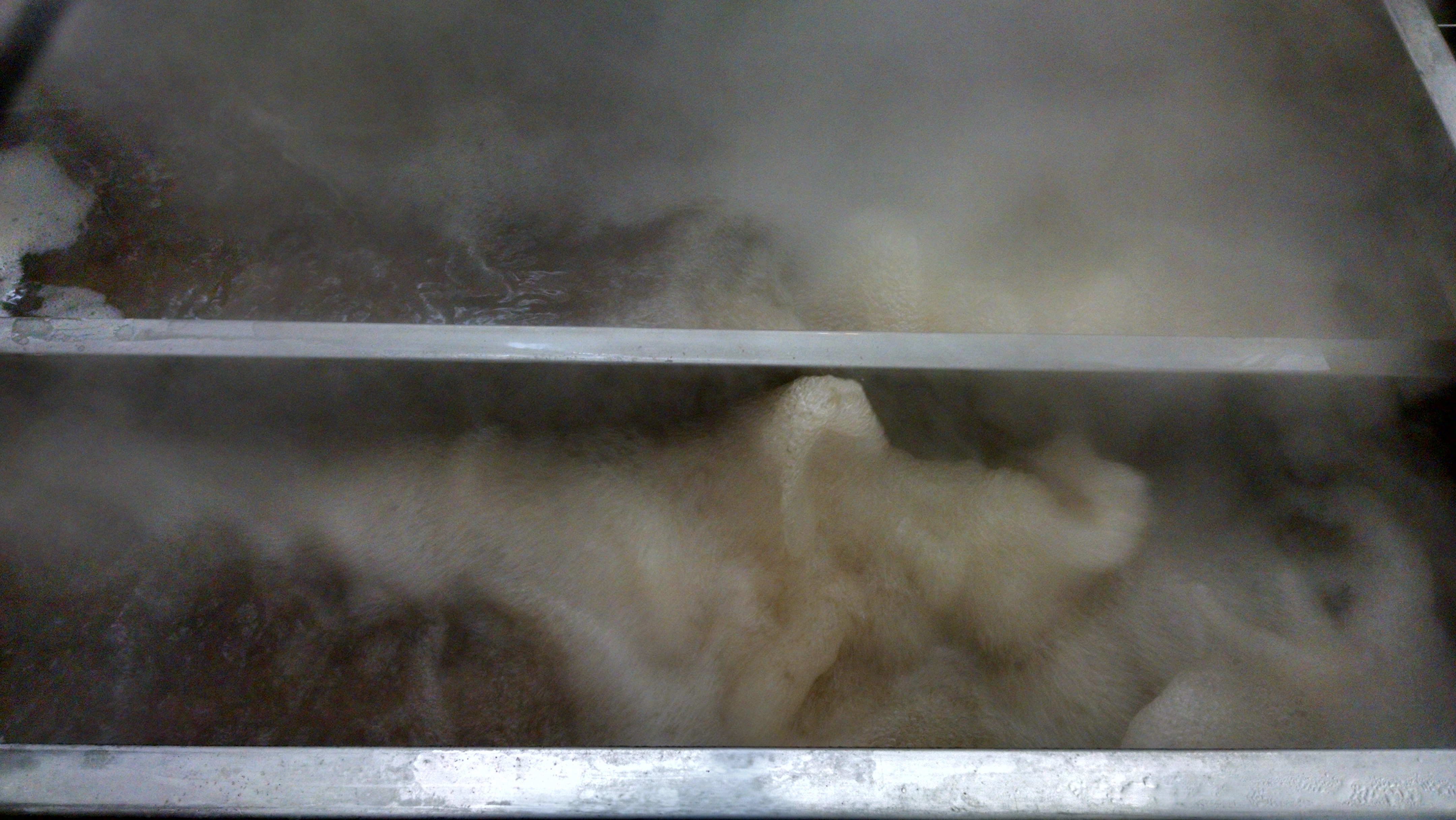
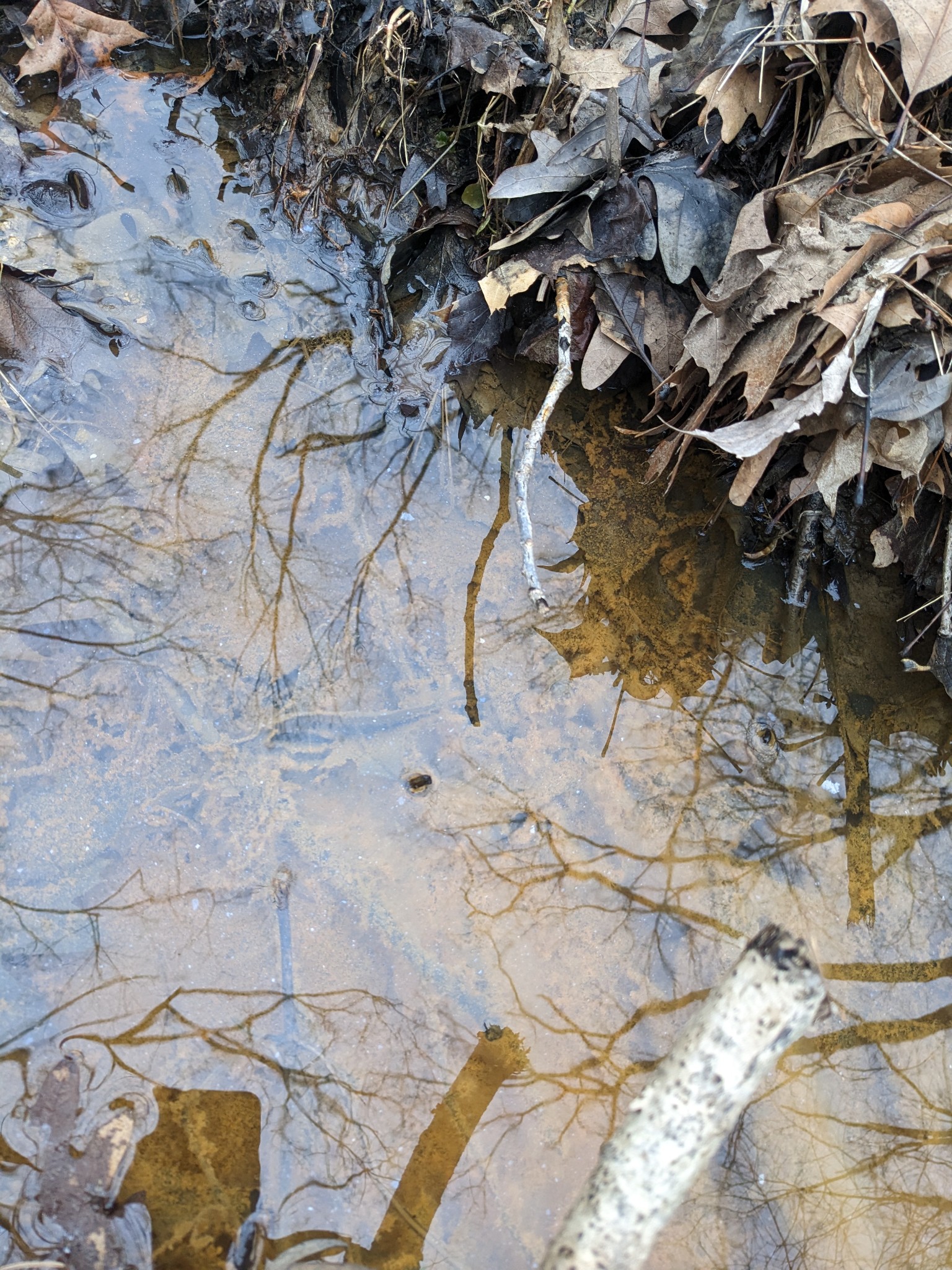
Fossils in the bottom of the ravine where we tap the sugar maples. Sometimes, looking this closely at something on the ground is an accident. I did not get hurt when I slipped! It was a fantastic and unexpected find. This year, the trees have been flowing more than average. They have been flowing on cloudy days and flowing on days when it hasn’t been freezing the night before, both unusual circumstances. It takes a lot of wood and a lot of time to boil the sap into syrup.Maple sap is boiling hard in the evaporator. The water rises as steam, leaving an increasingly sweet and increasingly caramelized liquid behind. When it is still boiling at just over 219 degrees Fahrenheit it has transitioned to syrup.
How do you fit into this picture, you may ask? You could help tap the trees, collect the sap, boil the sap, split the wood for the fire to boil the sap, cut the trees for the fire wood, or even bottle the syrup. You could come out and keep us company or bring us snacks while we do all of that. It’s a great way to meet interesting people, get a bit of a workout in, and enjoy the fresh air.
Despite some initial concerns about the warm first half of February causing the trees to bud out early and end the season before it had even started, this is shaping up to be one of our most productive seasons ever. It isn’t over yet and we have already collected 1,810 gallons of sap and bottled 30 gallons of syrup. That ranks it currently third behind 2005 (2554 gallons of sap) and 2006 (2042 gallons of sap).
Go for a walk in the woods. Leave the trail. Explore a nook you haven’t found before. Take your shoes off and let the cold spring mud squish between your toes. For the adventure below, we ventured up Bena Brook.
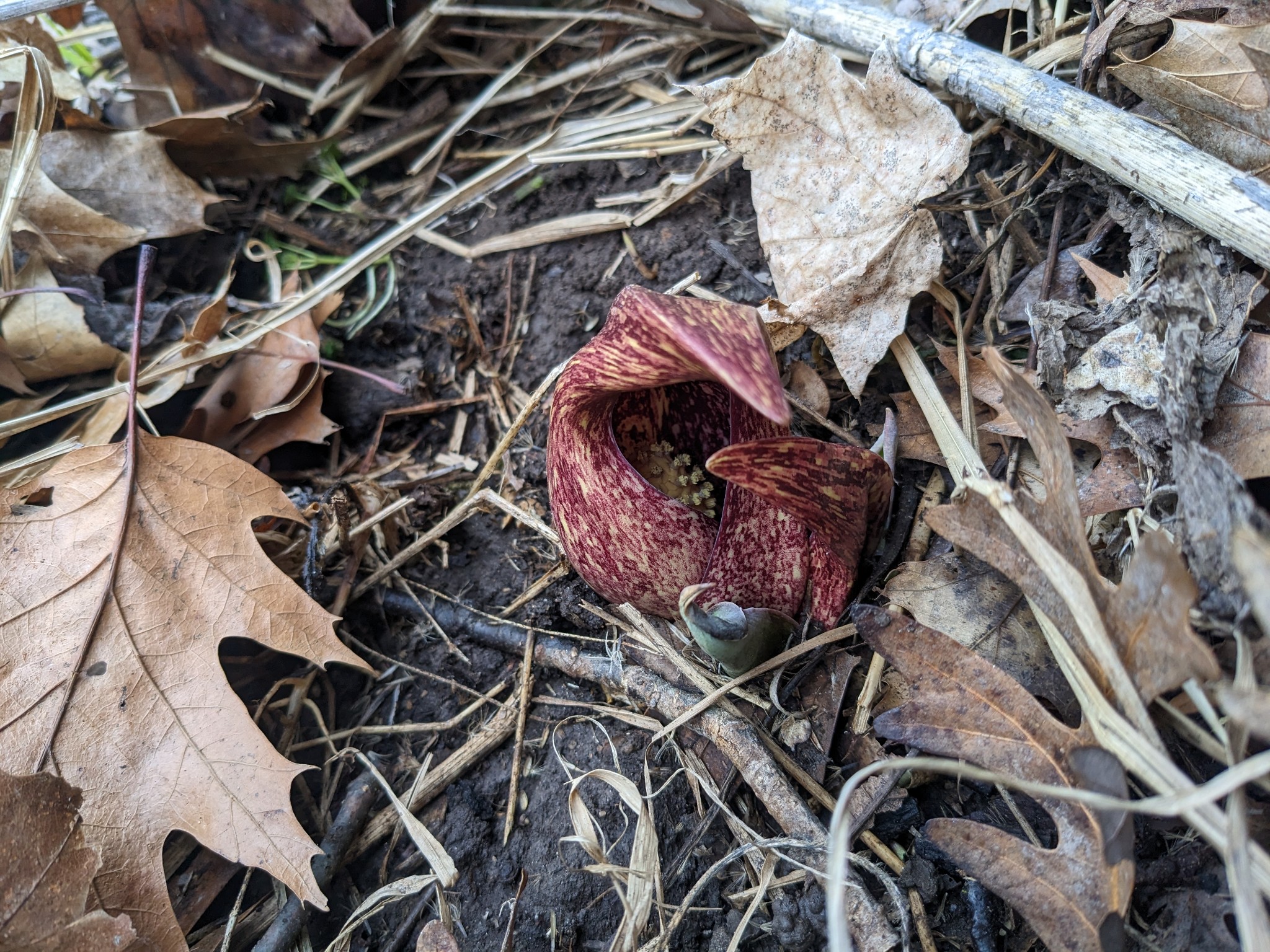
The stinging nettles are up.The skunk cabbage is flowering. Thank you, Gabe Anderson, for being my photographer.
Whether you love or hate the biannual clock changes, this is a good time to visit the analemmatic sundial. All you need is yourself and the sun. It is a fun reminder that time is a measurement of ourselves on our planet rotating around the sun. With the analemmatic sundial, you become the gnomon, and your shadow tells you the time. No watch or cell phone needed.
I am standing on the center stone, on the “March” spot, and it is indeed 9:45 on a bright but chilly morning. Laying out the sundial requires aligning with true north, which is the fixed end of the axis on which the planet rotates. Our compasses indicate magnetic north, which fluctuates a fair bit in its precise.Setting the stones in the right location involved the help of dedicated volunteers.
This sundial was created in honor of long-time volunteer Tom Cleveland. Tom loved sharing his passion for people and for nature, and time often slipped away when you were talking with him. Creating this nature-based interactive element that is both fun and educational is a fitting tribute to a great person.
Watch a sunrise. Each one is unique. Some are dynamic, some are subtle. You might hear the driving rain and thunder, or you might hear the geese and swans waking up along the river. Right now, the red winged black birds have returned to the Lynch wetland and are calling. If you get out of your car and go further into nature, you will find that you are surrounded by songbirds, and you will feel the tiny air currents their wings make as they fly past you in the predawn darkness. You will see the frost form on the prairie grasses. You will wake up with Nature. It is a transformative way to start the day.
Connie shares a collection of essays from thought leaders in the convergence of agriculture, people, and nature. Iowa is one of the top agriculture states. Along with the money that sustains our economy from the corn, soybeans, pigs and chickens comes eroding soil, contaminated water, and habitat loss. Connie recognizes the real agriculture challenges that brought us to the place we are now and explores how we build a future that sustains the land and the people.
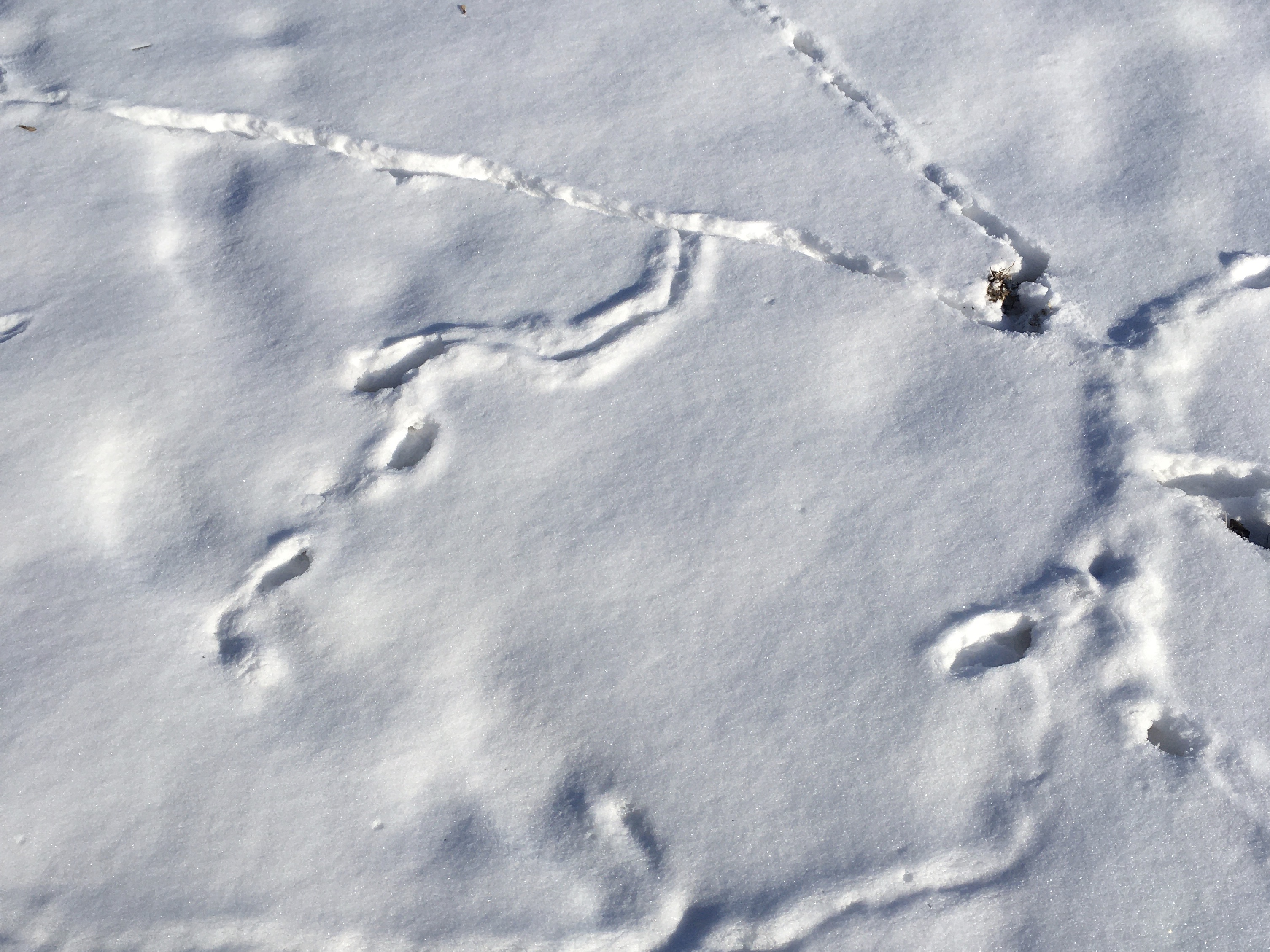
We play in the snow and plow the snow and watch the snow fall, but we don’t actually live in the snow. This is the perfect and ephemeral opportunity to check out the lifestyles of those who call the subnivean zone home. The zone is the band of snow that lies on top of the ground, creating just enough space to provide warmth and safety to a surprising variety of wildlife.
The subnivean landscape. The etymology of the word comes from the Latin roots for “under” and “snow”
Throughout the year, we frequently see the larger mammals, such as rabbits, squirrels and opossums. The littler critters, such as mice, typically scurry beneath our notice unless they enter our houses. This time of year, we can see exactly where the voles, shrews, moles and mice are going. They tunnel just above the surface of the ground and beneath the snow, leaving evidence of their routes and habits. A special thank you to Indian Creek Nature Center Executive Director John Myers for sharing this adventure. 100 Things to do at Indian Creek Nature Center
Late last year I attended a party to celebrate the launch of my friend Katie Mills Giorgio’s new book, 100 Things to Do in Cedar Rapids Before you Die. I asked her if the whole thing took place at Indian Creek Nature Center. Spoiler alerts: Katie shares more than 100 cool things to do in Cedar Rapids, and the Nature Center is only featured on one page in the book.
The conversation made me wonder, just how many cool things are there for guests to do at Indian Creek Nature Center? We are going to find out. Because this is a blog written in brief snippets of time and not a well-organized book, cool nature experiences will be in absolute random order. They will probably be tied to the seasons, because, well, seasons are the basic themes of nature. Feel free to share your own ideas, and if you don’t live close by, there is probably a natural area near you at which you could do cool things.
















 Pocket Mouse Publishing