The land is waking up from winter’s slumber.


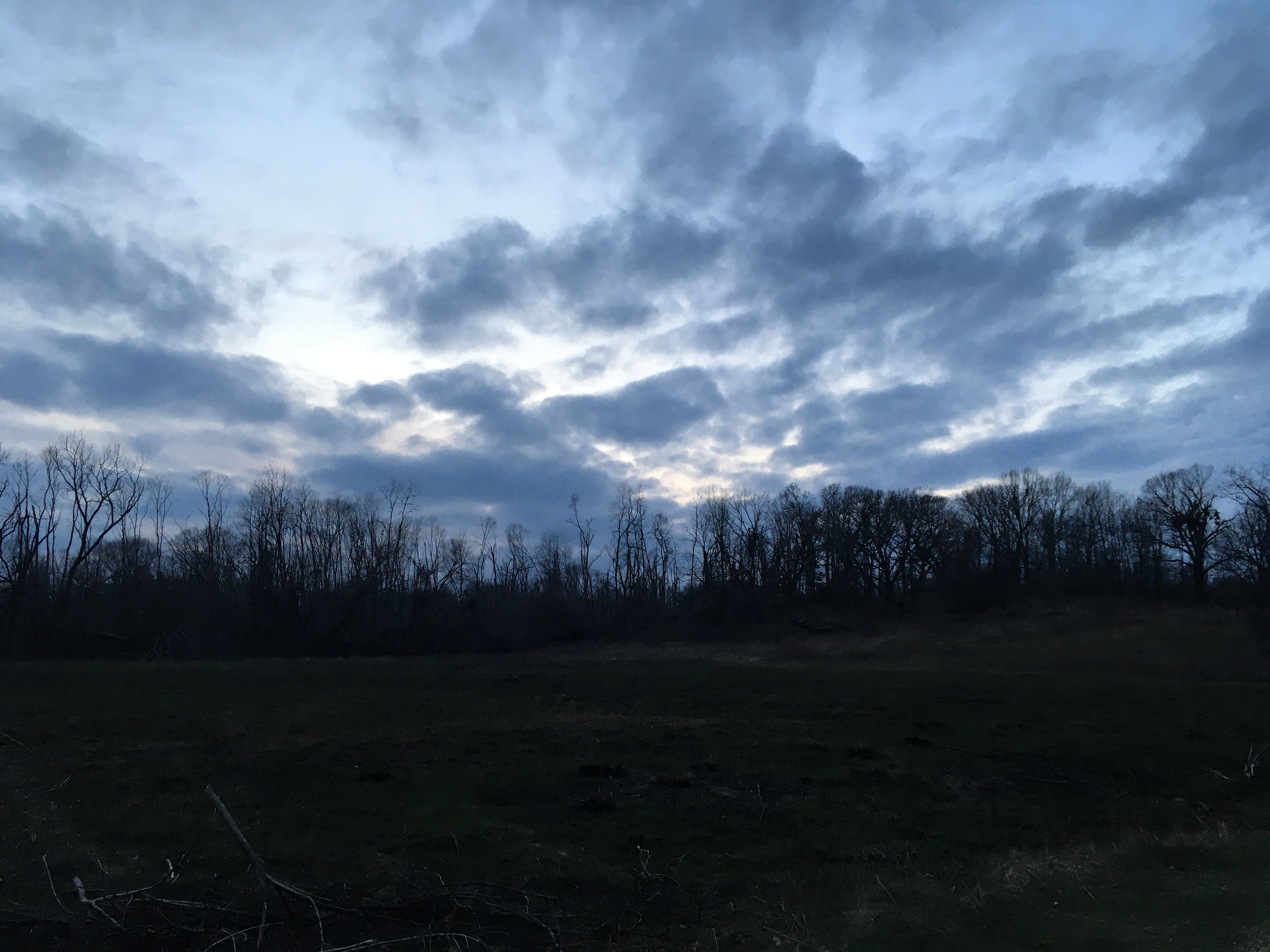


The land is waking up from winter’s slumber.
I am lying on my back under the sun, under the sky.

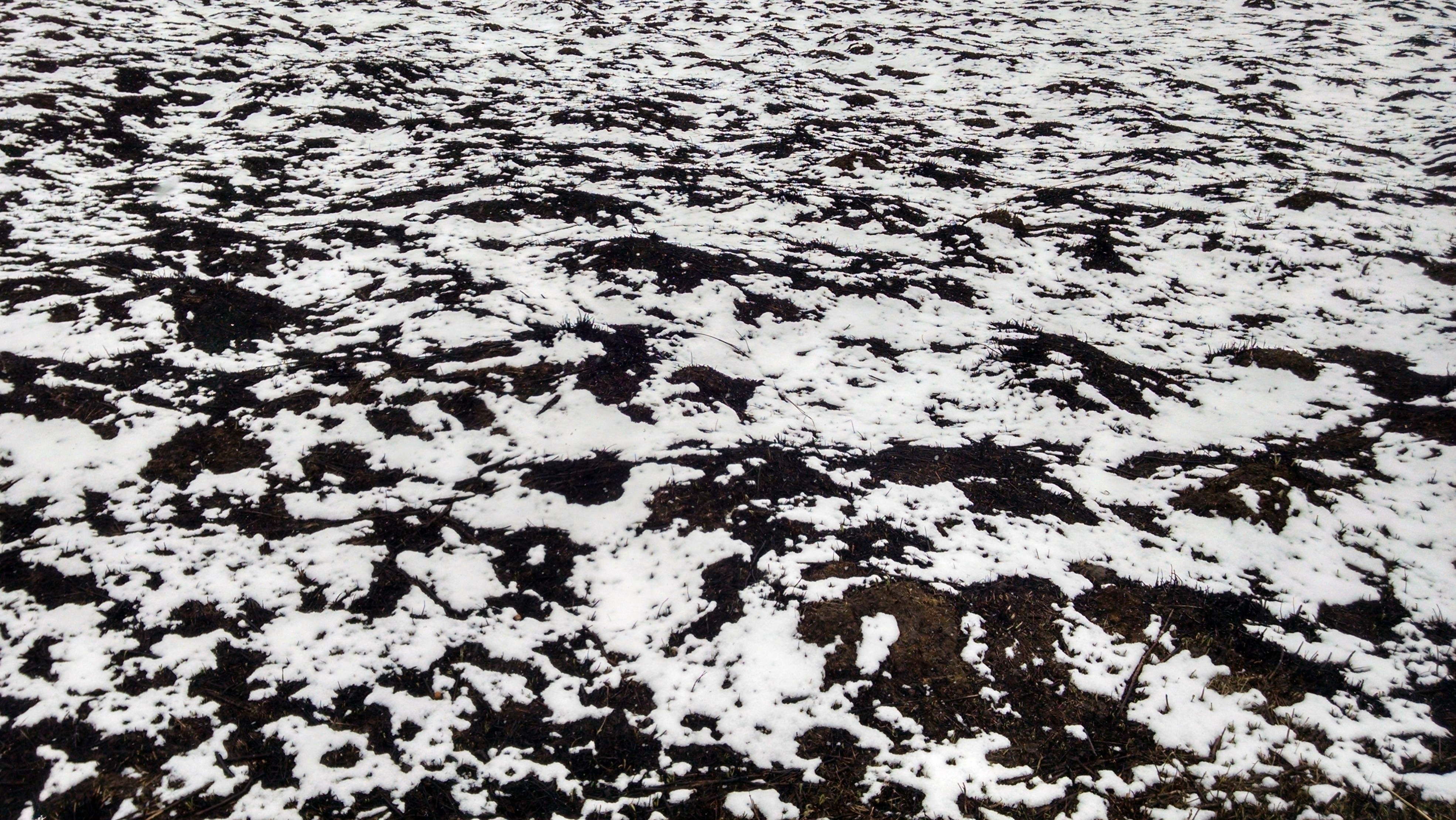
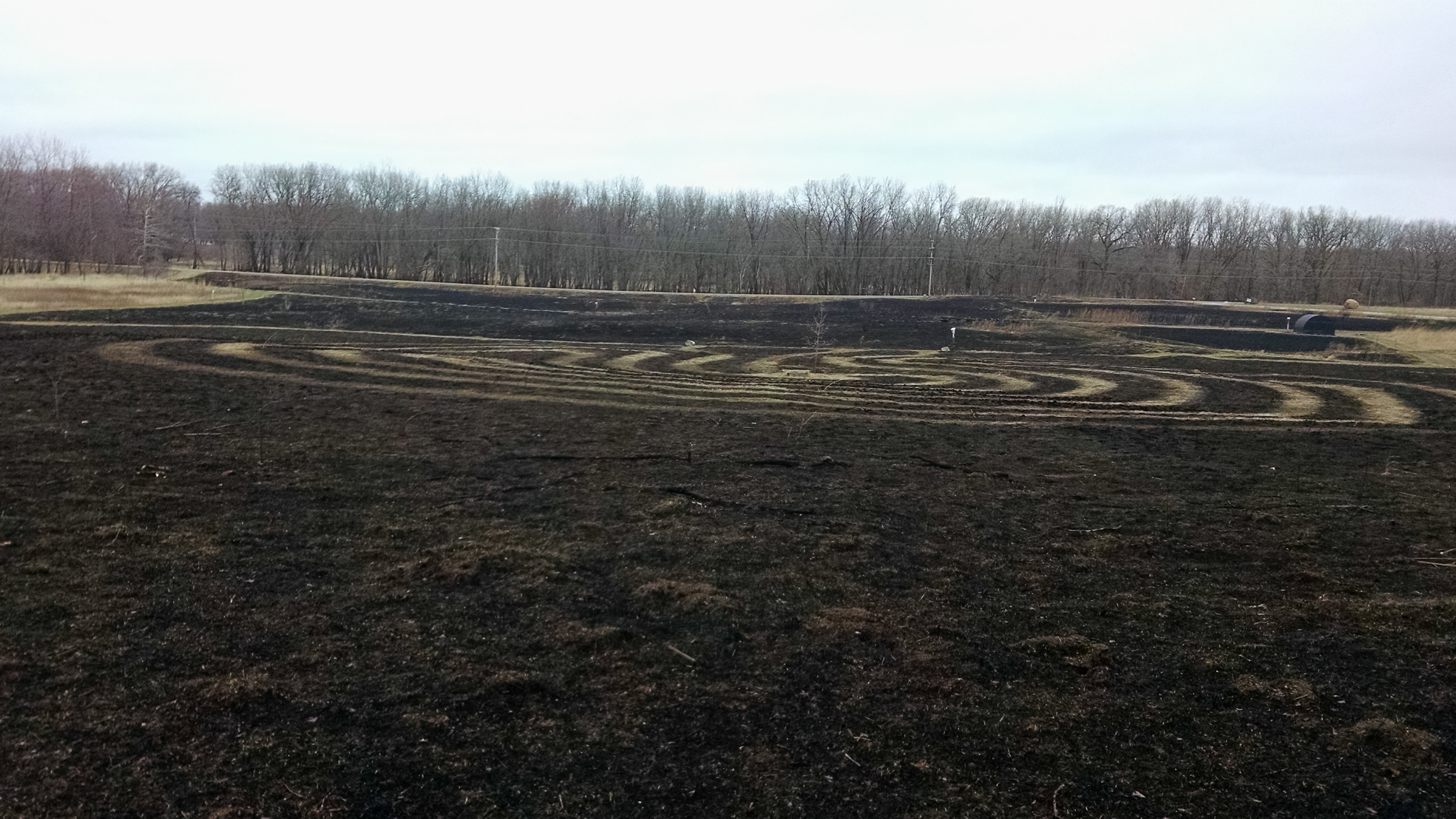
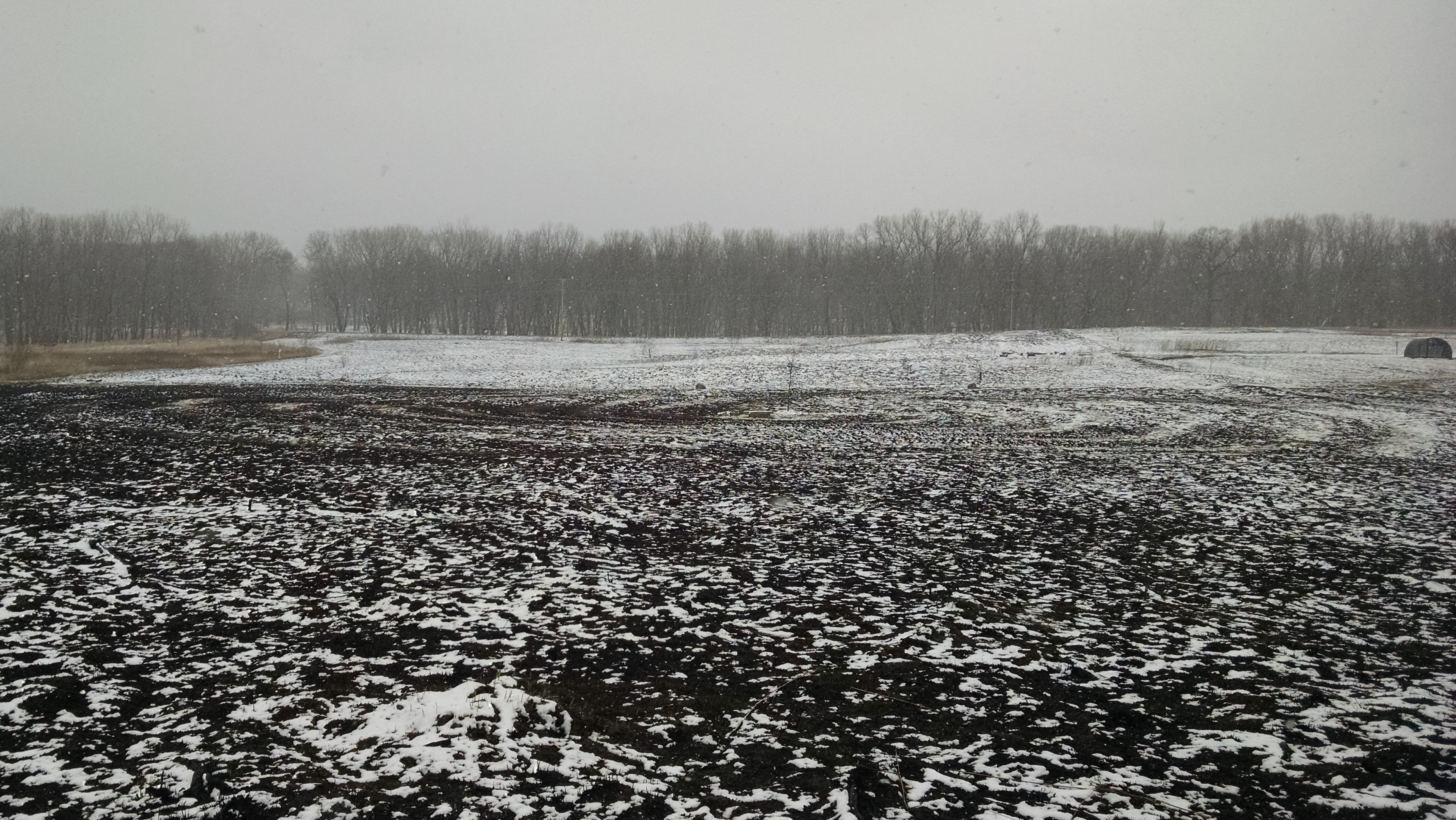
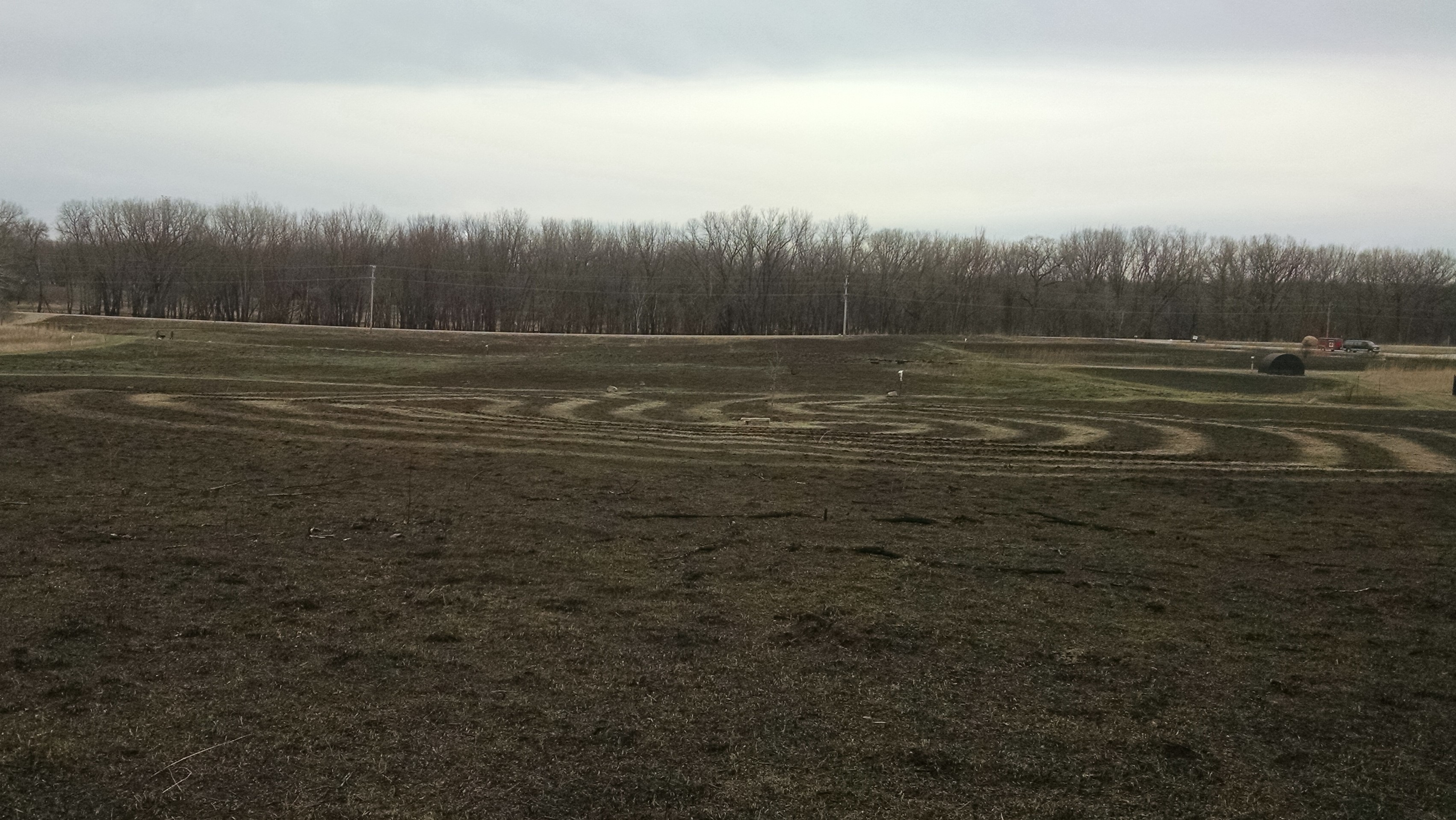
I am lying on the snow, suspended above the soil, above the prairie I burned last fall.
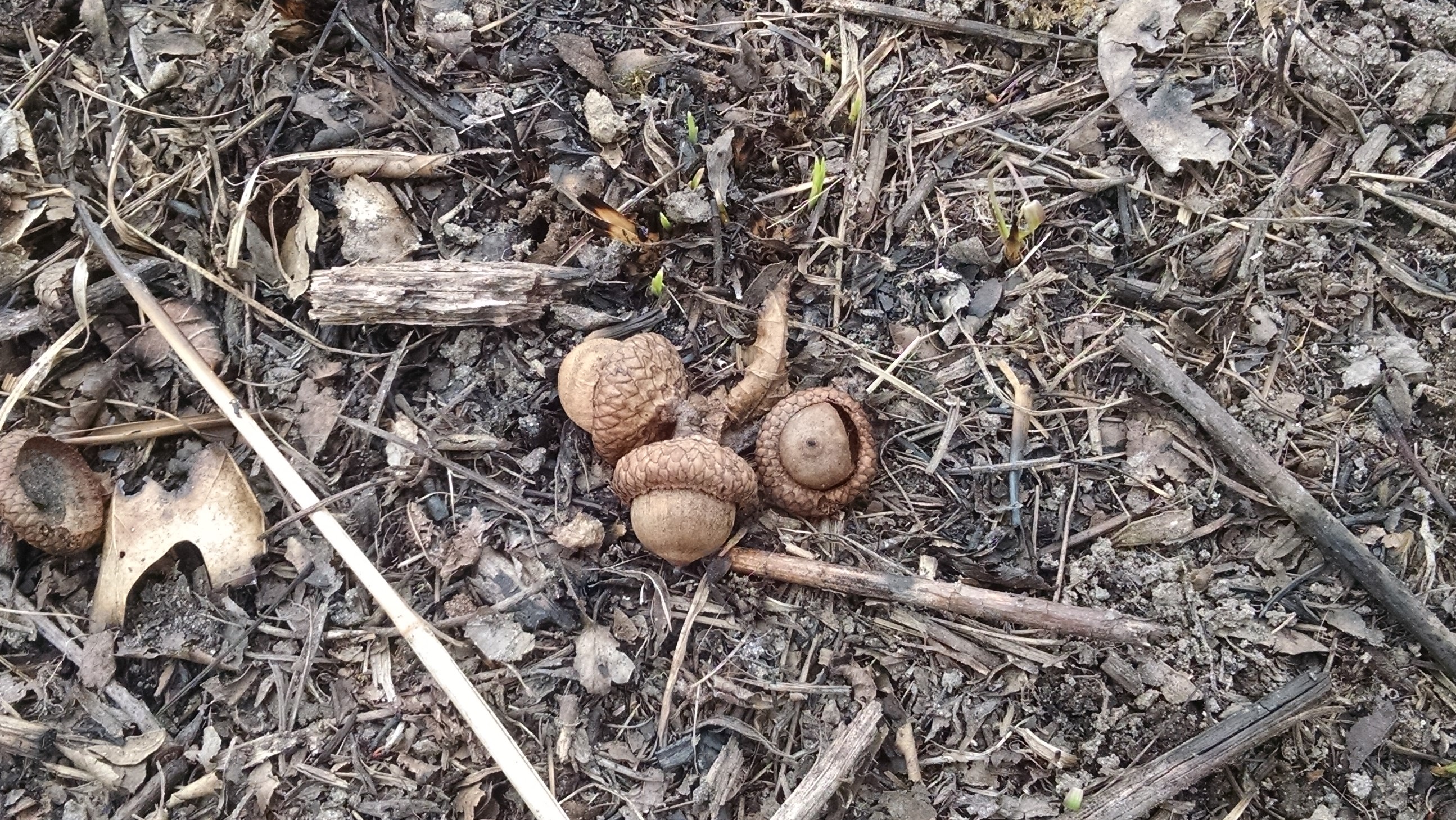
The flames of fall reduced the grass we think of as prairie to ash, reduced the grass we think of as prairie to the air I am now lying in.
Underground there is still a massive tangle of roots, woven together by mycorrhizal structures.
I can feel the transformation of spring through the sun on my face, through the snow on my back.
The snow insulates the prairie from the seasonal shift; I suspect the roots feel nothing yet.
I wonder if the air feels the emptiness of the space, if the air misses curling around the silicon-laced stalks of big bluestem and gliding over the petals of the gentian, if the air misses flitting through the styles of the prairie smoke.
I wonder if the air around the unburned autumn prairie was more dense than the open air I now lie in.
I wonder if the barred owls, chattering and hooting night and day now, are calling the prairie roots awake through the snow.

The tallgrass prairie can be defined by the hundreds of native plants that thrive there. The simplest definition, when looking at the broader landscape, is that the prairie is where the trees are not. The word prairie comes from the French word for meadow. When planting native prairie plants in your yard, selecting “the right ones” can be overwhelming. Which will thrive? Which will outcompete all of the others? Which will grow too tall and too wild? Which will make the wildlife happy? Which will make you smile when you look outside?

Providers that specialize in native plants will offer information about bloom time, growth height, soil conditions, and sun requirements. If I was going to plant a native wildflower garden in my yard, I would select species that usually stay under 3 feet tall. These are the 21 flowers I would pick today (tomorrow I might pick a different set):
Butterfly weed Asclepias tuberosa
Canada milk vetch Astragalus canadensis
Common blue-eyed grass Sisyrinchium albidum
Cream gentian Gentiana flavida
Cream wild indigo Baptisia bracteata
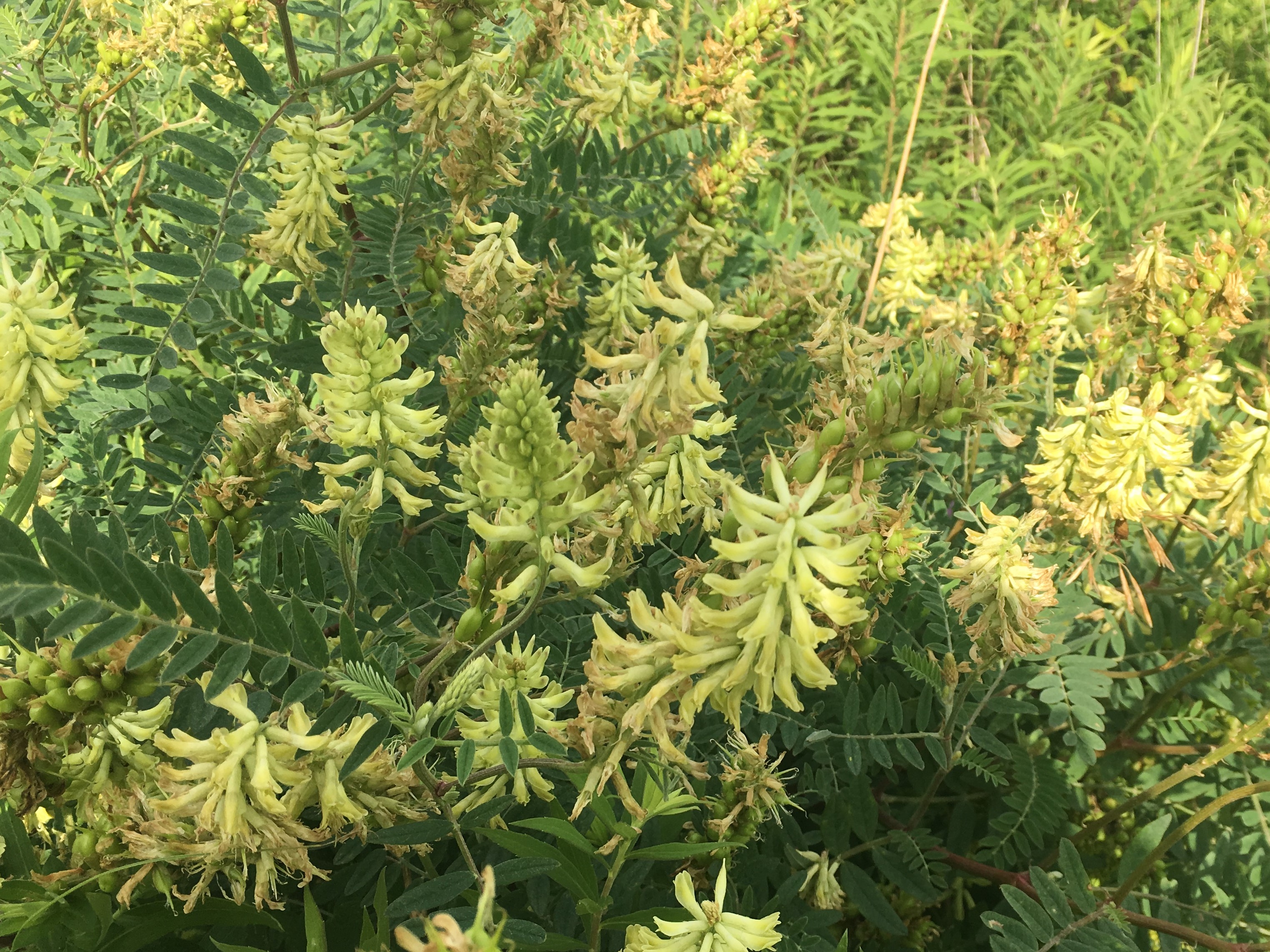
Dotted blazing star Liatris punctata
Goat’s rue Tephrosia virginiana
Lead plant Amorpha canascens
Midland shooting star Dodecatheon meadia
Narrow leaved coneflower Echinacea angustifolia
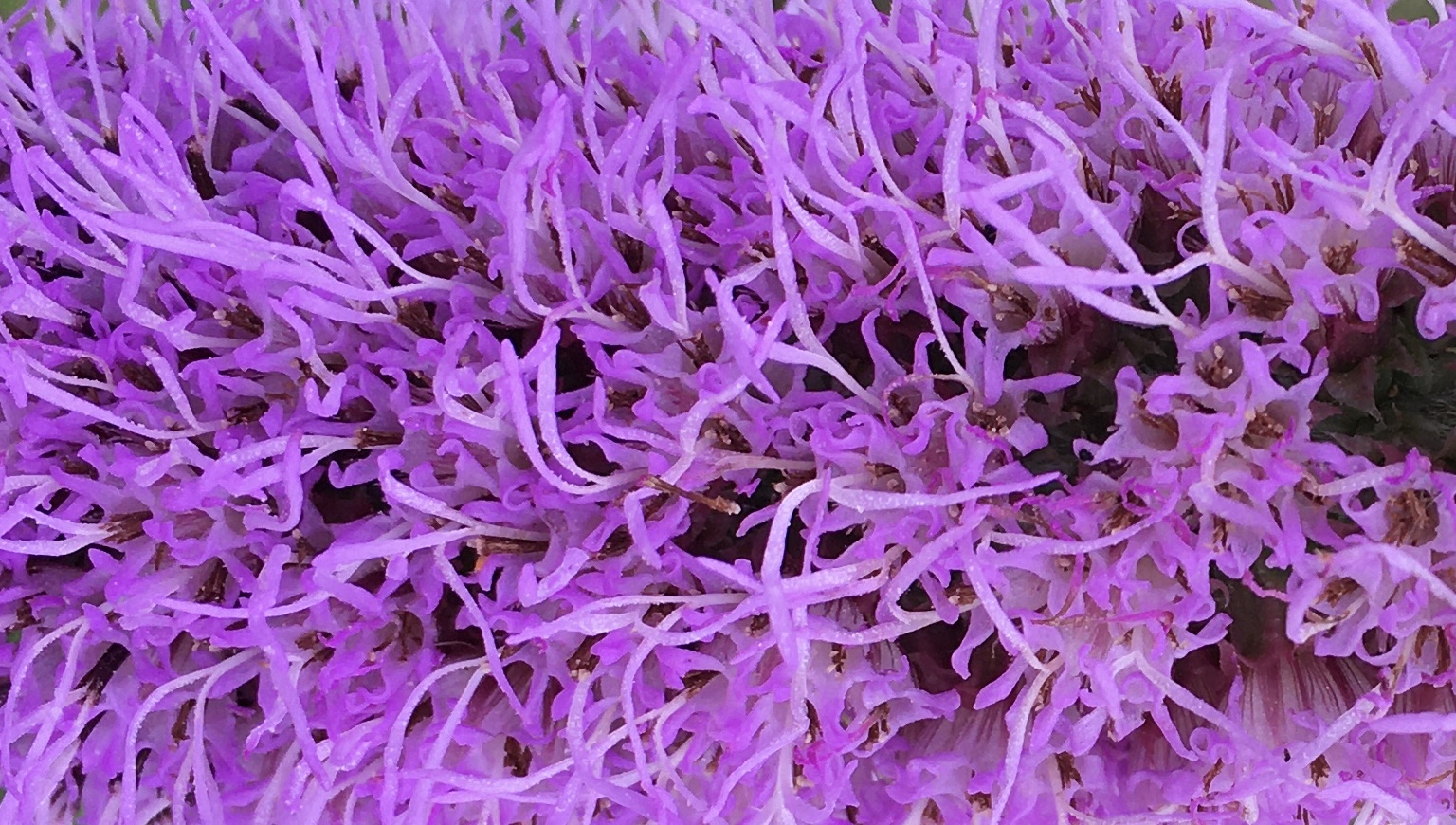
Prairie onion Allium stellatum
Prairie smoke Geum triflorum
Prairie wild rose Rosa arkansana
Purple prairie clover Dalea purpurea
Rattlesnake master Eryngium yuccifolium

Silky aster Symphyotrichum sericeum
Sky blue aster Symphyotrichum oolentangiense
Slender mountain mint Pycnanthemum tenuifolium
Ohio spiderwort Tradescantia ohiensis
White prairie clover Dalea candida
Whorled milkweed Asclepias virticillata
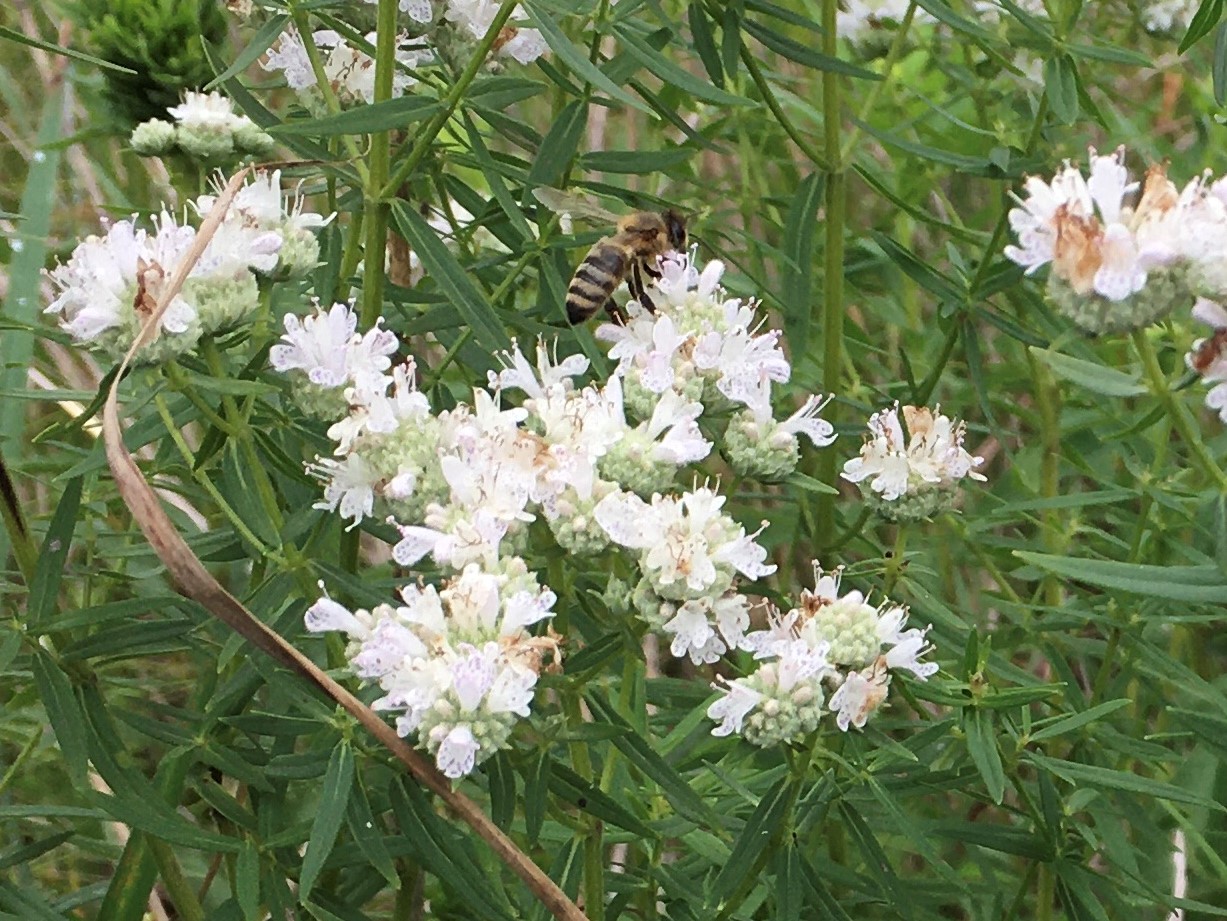

A pollinator patch, or garden, would look beautiful in that spot in the yard where the hostas are now sunscorched, right? Right. Absolutely. From monarchs to bumblebees, lack of habitat continues to cause pollinator population declines. You may as well enjoy some beauty, while making the world a better place, while you wait for your new oak tree to mature into a shady canopy tree.
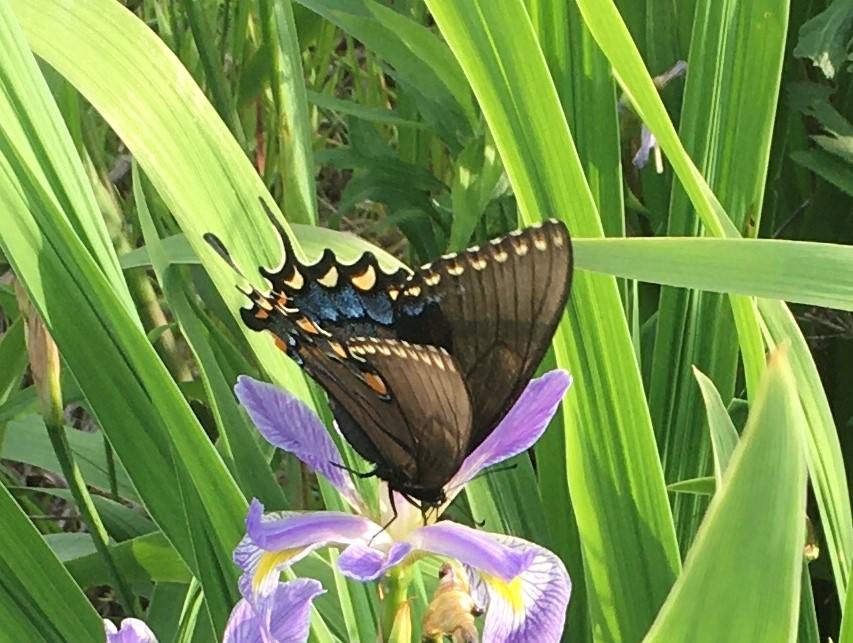
The ecological benefits of a pollinator patch are tremendous, and the maintenance goes down after the first few years. A pollinator patch creates an expanding positive impact on the environment, an oasis in a monoculture of lawns and pavement. Plant the plants, and the insects will come. The rabbits will come to feed on the plants. Owls will come to feed on the rabbits. Songbirds will come to feed on the insects. The hawks will come to feed on the birds. Native plants will create a dynamic array of life and beauty. A few thoughts to get you started:
1. Most native flowers are perennials. After the first few years, the plants won’t require watering. Buy a hose splitter and a soaker hose to minimize the time spent watering. You can get both locally for less than $20 to make those first few years easy.
2. Prairie plants evolved in an environment rich in limestone and poor in organic material. A plant that typically grows two feet high in a competitive prairie environment may grow five feet high in a weeded, composted garden bed. Keep the taller plants in the middle of your planting, or be prepared to fence them.

3. Leave the stems and pods up for the winter, as insects will be overwintering in the stalks and birds will be feeding on the seeds. Instead, cut them back as late in the spring as possible.
4. Weeds will be need to be controlled, just like they do in an an ordinary flower or vegetable garden. Consider weed control fabric, mulch, or pea gravel to minimize the time you need to spend weeding.
5. Add a bird bath. It will be used by the birds, but also by the chipmunks and butterflies.
6. Order your plants…soon. Most dealers don’t sell native plants during the growing season, because they have low survivability. Many do take orders throughout the year, and ship in the spring and fall. If you wait until you want to plant, you may find yourself waiting until the next season. If you live in Cedar Rapids, Iowa, consider Indian Creek Nature Center’s Spring Plant and Art Sale as your source for plants.
For its plantings, Indian Creek Nature Center often orders seeds and plants from Prairie Nursery, Prairie Moon Nursery, IonExchange, and Linn County Soil and Water Conservation District. All of them provide good stock and excellent customer service.





One of the extraordinary things a prairie reveals is the great color palette of nature. Now that we’re in July, and the heat of summer, the purples are abundant. A few treasures from my latest walk:

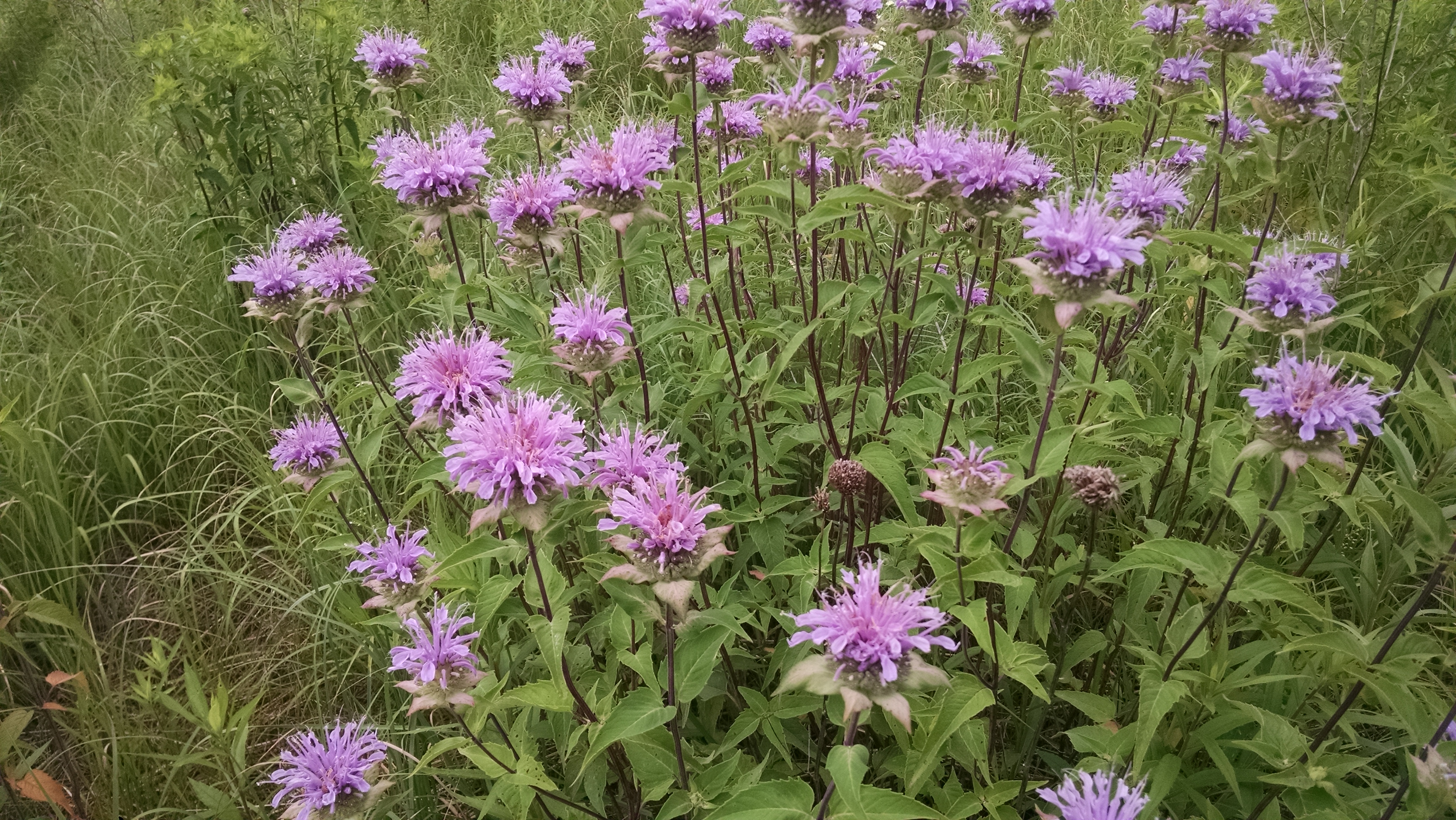

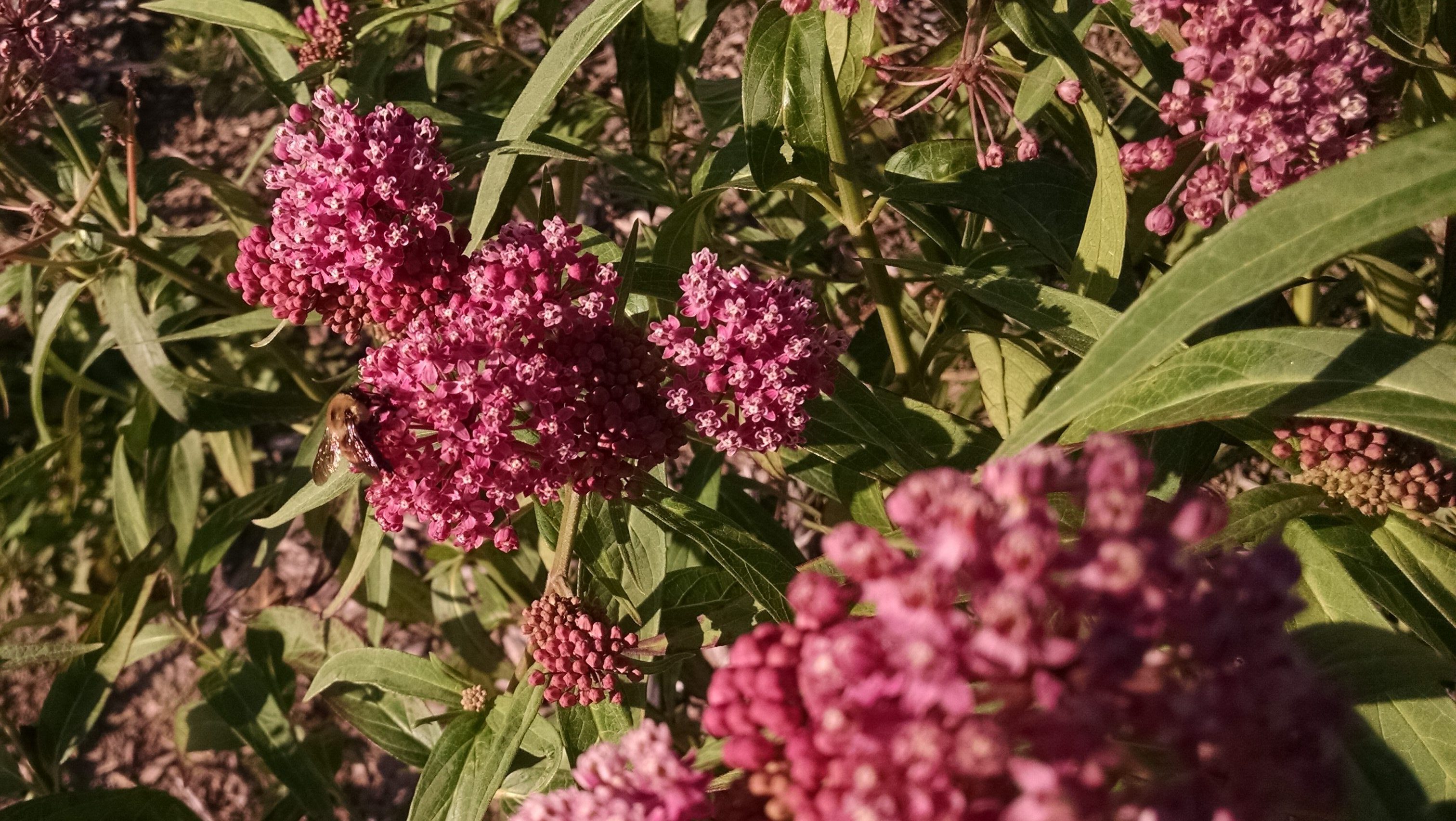


These, you may have noticed, are growing in mulch, not the dense grasses that provide the structure of a tallgrass prairie. This was just my walk from my office to my car! They are newly planted around the parking lot at Indian Creek Nature Center. Everyone should be able to enjoy the natural beauty of a prairie, even if they aren’t up for a hike. The diverse flowers will attract butterflies and support native pollinators. The deep roots are drought tolerant. What more could you ask for in a landscaping plan?


Amazing Space is progressing quickly, both above ground and underground. Three of the bioswales are complete. Finishing them early allows us to protect them with silt fence immediately and re-establish permanent native prairie in the same season they were initially disturbed. We started dormant seeding already to provide the seeds a natural cold, wet stratification and good soil contact for spring germination.

In a few days, the more traditional annual oat cover crop will be planted. If these warmer temperatures hold, they should establish roots yet this fall to protect the soil, and they will die back over the winter. The site will also be mulched, to protect the bare soil.

Because these are bioswales, they are designed to move water through them. While it will be a lot of water, it won’t be standing and puddling. The species we plant need to be able to withstand drought far more than they need to be able to withstand flooding. For this first round of planting, we used: common milkweed (Asclepias syriaca), butterfly weed (Asclepias tuberosa*), white wild indigo (Baptisia alba), river oats (Chasmanthium latifolium), rattlesnake master (Eryngium yuccifolium), cream gentian (Gentiana flavida), sweet pearly everlasting (Pseudognaphalium obtrusifolium), grey coneflower (Ratibida pinnata), wild rose (Rosa arkansana), little bluestem (Schizachyrium scoparium), late horse gentian (Triosteum perfoliatum), culver’s root (Veronicastrum virginicum), purple prairie clover (Dalea purpurea), and narrow-leaved coneflower (Echinacea augustifolia).

As fall harvesting continues, so will the number of species we plant. For species that we don’t have a lot of already on-site, such as white prairie clover (Dalea candida) and rough blazing star (Liatris aspera), we will purchase. Due to the support of Rockwell Green Communities, we also have a number of established plants started in the Butterfly Hoop House to transplant.

*It’s worth learning the Latin. I recently had a great conversation with a volunteer interested in helping us establish more pleurisy root on the property. Never having heard of pleurisy root, I had to do a bit of research to determine if pleurisy root was native (it is) and if it fit within our land management plan (critical to the plan, in fact). I was also initially introduced to Triosteum perfoliatum as wild coffee, no Latin provided. I had to key that out in a guide book to find its Latin name, because what most people call wild coffee isn’t native here…
 Pocket Mouse Publishing