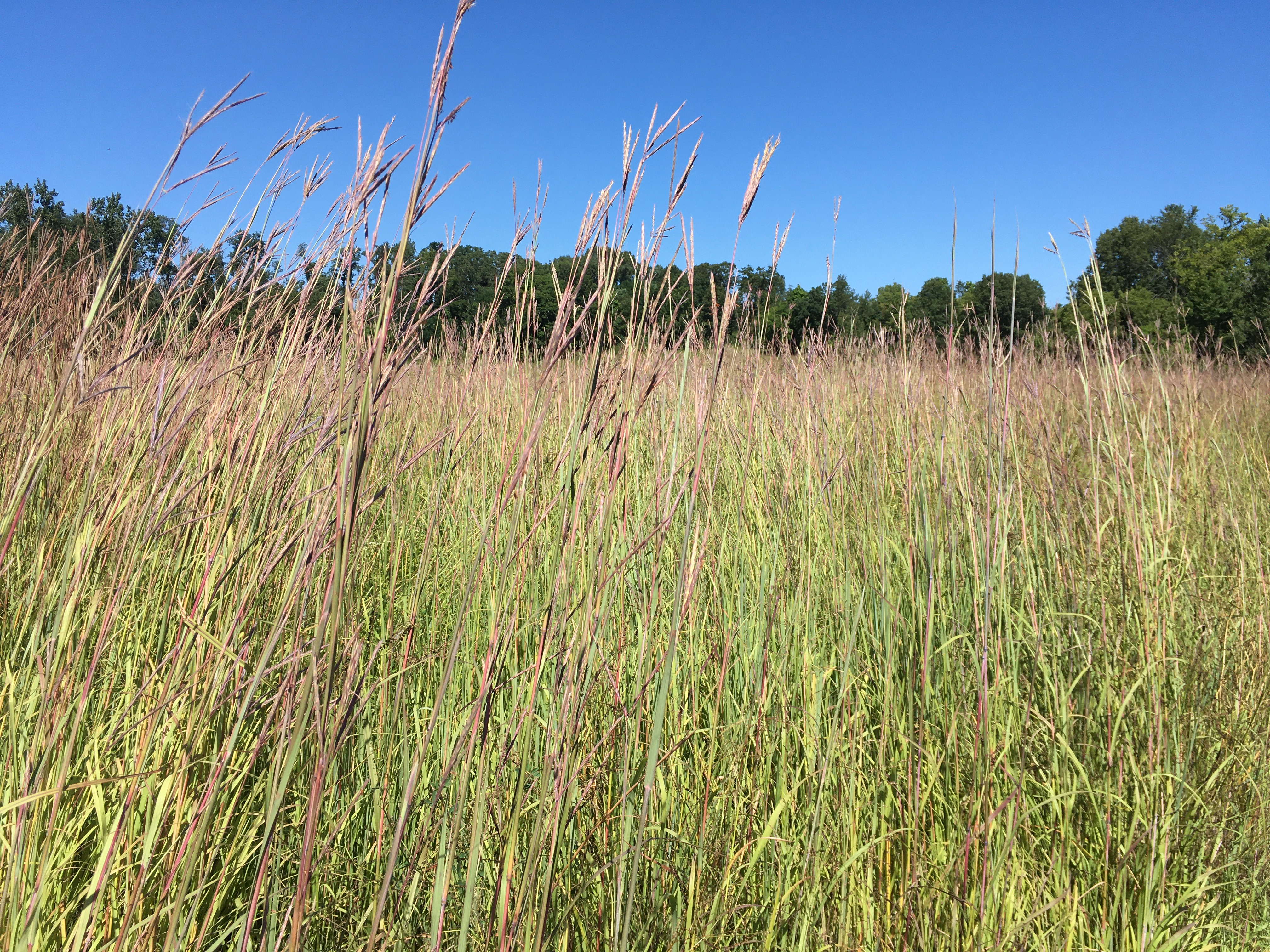
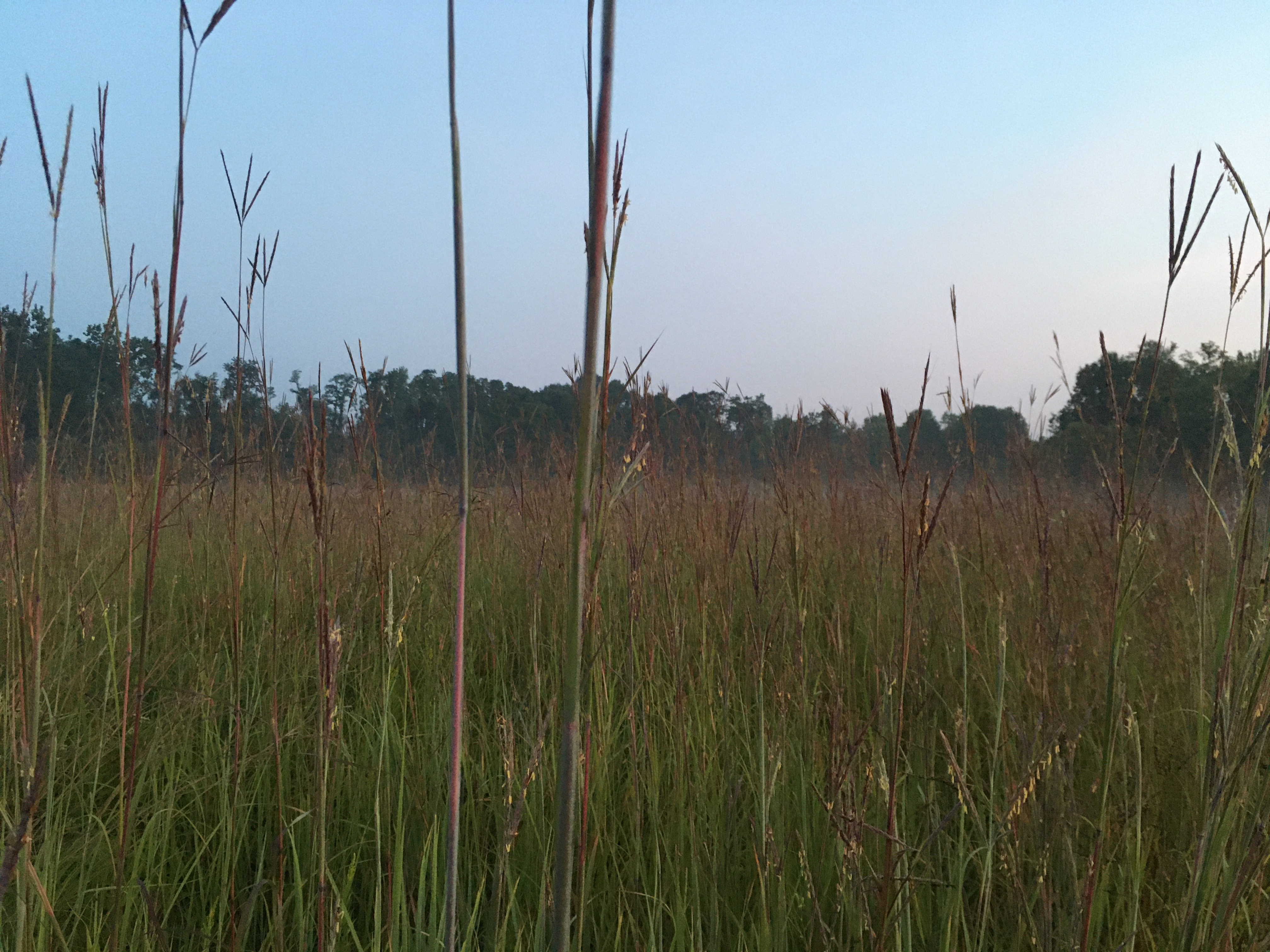
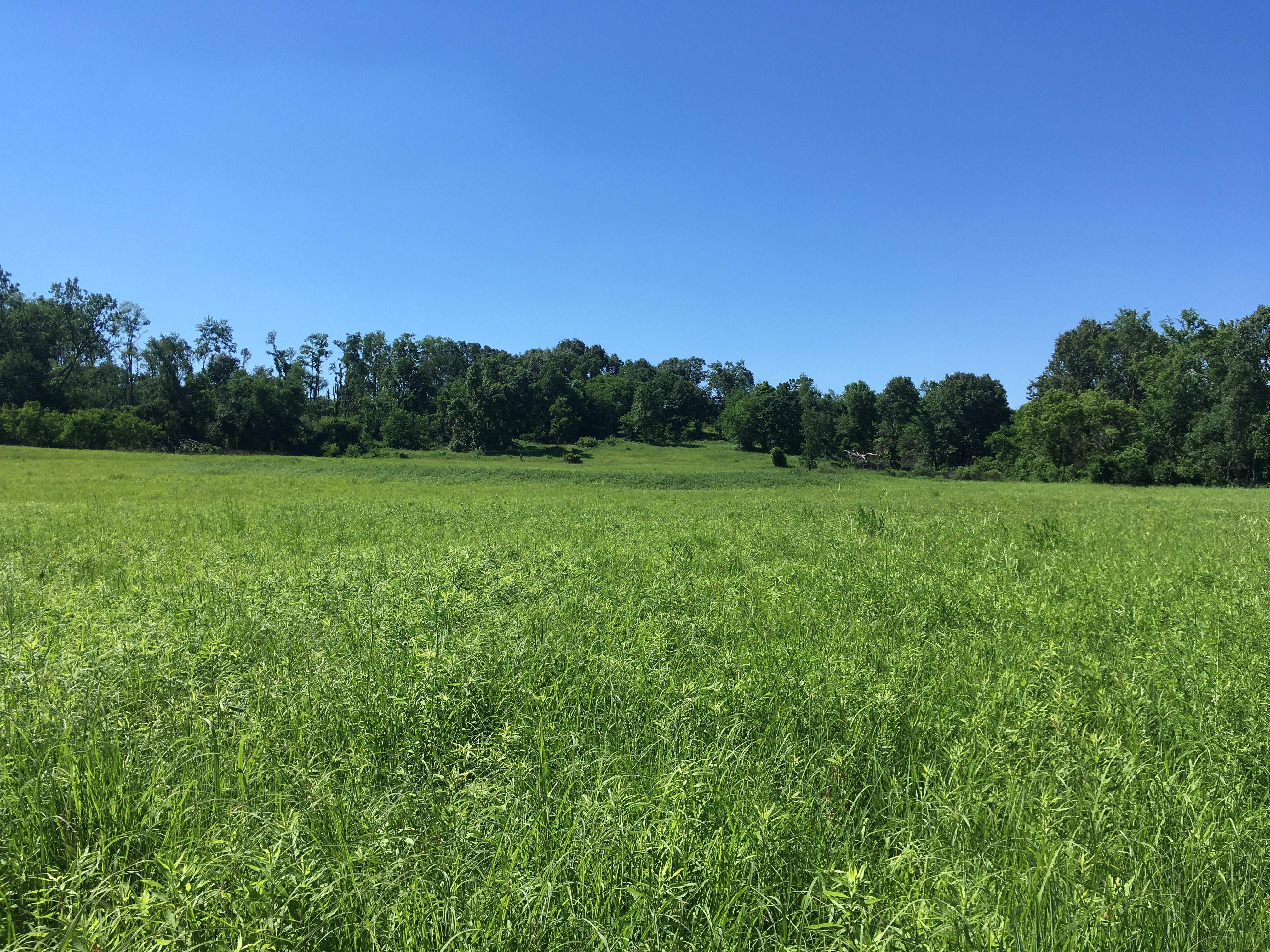
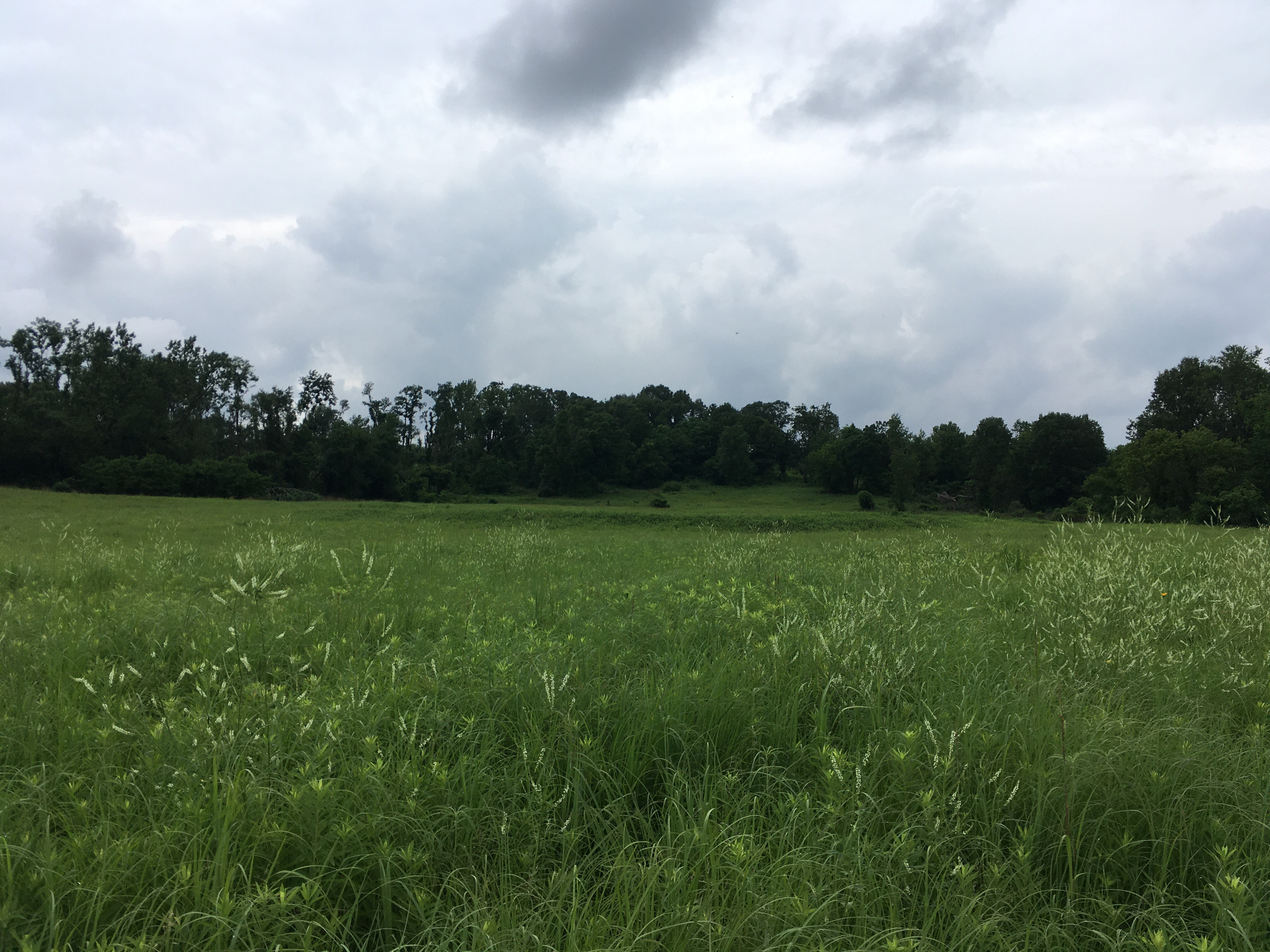
Over the past year, I have enjoyed this commitment. Showing up once a week, more or less, at the same place to take the same picture.
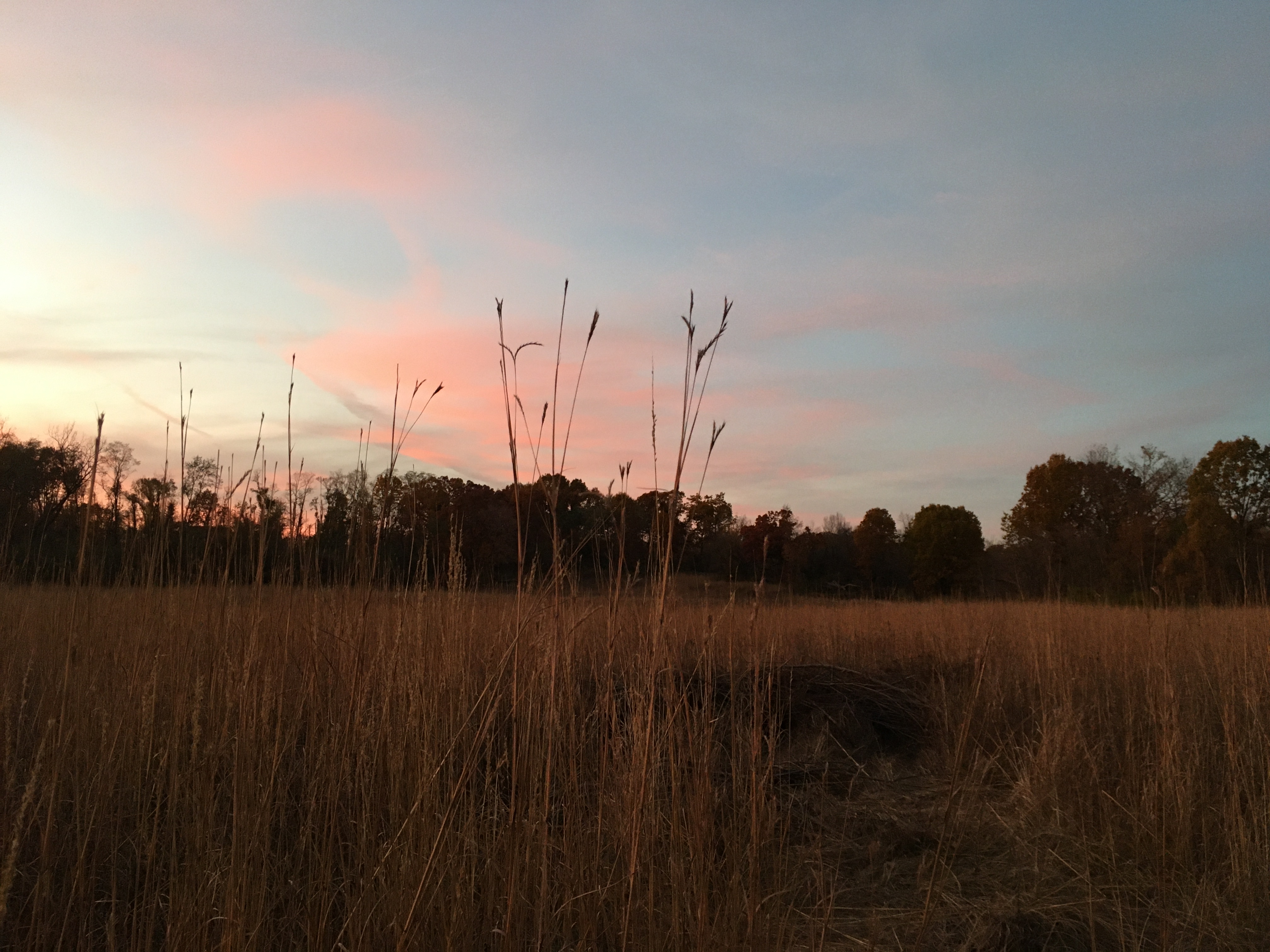
The prairie shifts. The wind sways the grasses in and out of frame. Green stubble emerges from the black and grows up tan. Clouds form, dissipate, and reform. I love the clouds.
It is a place I love, and will continue to visit regularly. There are a lot of other spaces vying for my attention, and it is time for this project to come to a close. I hope you enjoyed the journey with me.
Prairie plantings are preferably done in the fall. Nature works the seeds into the soil; the frosting and thawing of the ground (have you been outside recently?) breaks up hard seed coatings, and the cold wet soil stratifies the seeds. Sometimes, schedules don’t allow for that. For this spring’s planting, we ordered in the fall and are now busy sorting, scarifying and stratifying. Some seeds need boiling water poured over them, others need sandpaper scraped over them. Some prefer to be refrigerated for 30 days; others prefer to be refrigerated, thawed, and then refrigerated again. Others are already sprouting in the sacks they came in.
Gabe and Syd are sorting out the seed order.
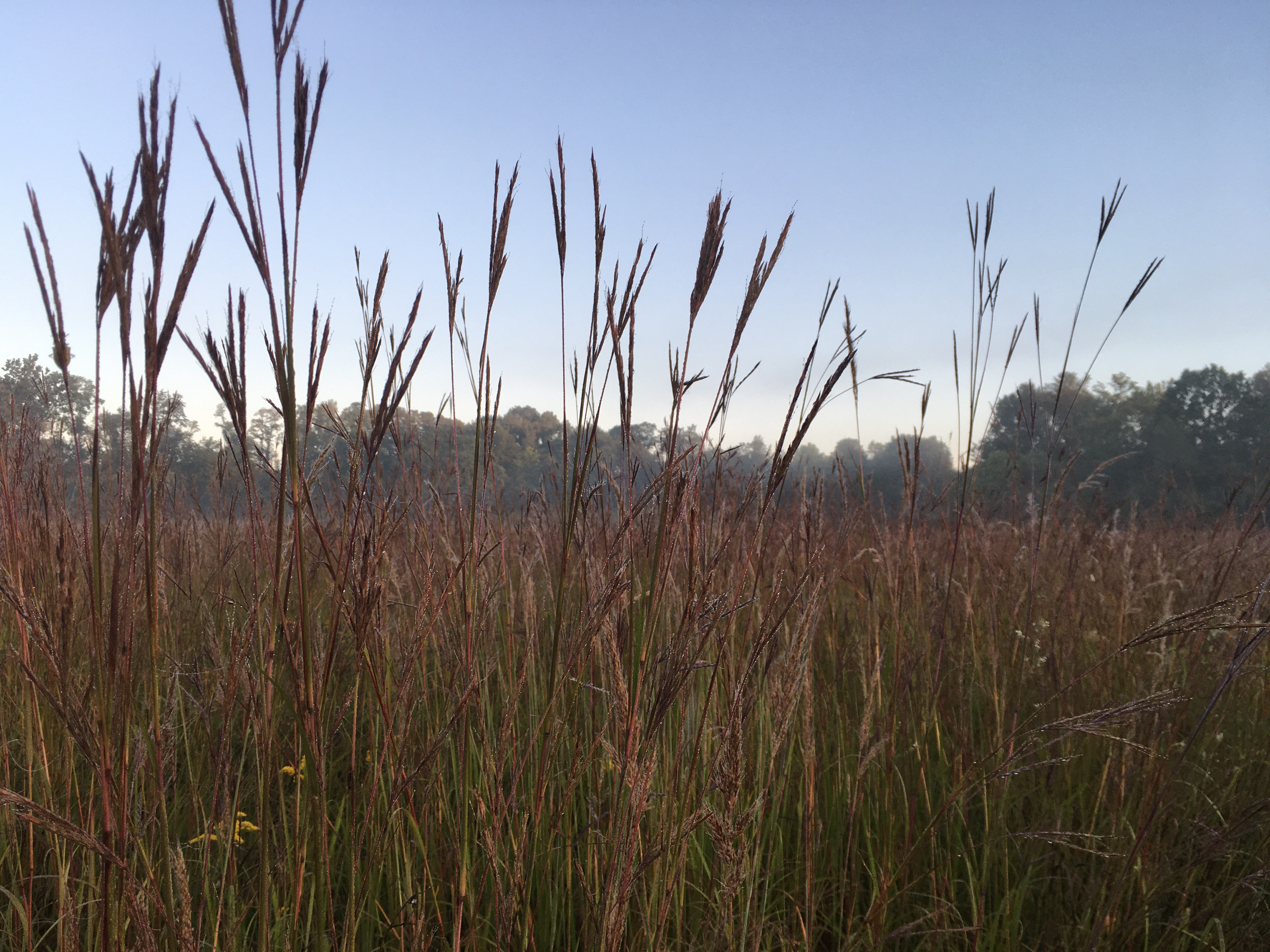
With more than 100 different species going in around the edge of the wetland, I hope to share a handful of species at a time, with my intention of having them all shared prior to the planting in April. Initially, I had planned to purchase a diverse mix from one of our regular vendors, such as Prairie Moon Nursery. If you are starting from scratch, that is a good plan. Because we already have well-established prairies from which to gather seed from, purchasing individual species enabled us to increase the diversity we could buy. There is no point in us buying things like Andropogon gerardi (big bluestem) or Pycnanthemum virginianum (mountain mint), for example, as we already have them in abundance and they are easy to hand-gather in the fall. Because the wetland has an overflow, we can plant species along its border that like medium wet to medium dry soils. It seldom truly floods, and when it does, the water usually doesn’t stay high for very long. We will be planting some water loving species in the wetland itself.
What’s going in the ground this spring for the prairie? To get us started:
Alliums are a good addition to any planting. They are edible by people, loved by pollinators, and well-adapted to a wide variety of sites. One might go so far as to say they are aggressive. A few of these have already started to sprout in the sack.
The site was prepped (with a bulldozer) last fall, and we put down an oat cover crop and straw to prevent erosion over the winter. Oats are good choice for a fall cover crop, if you don’t want them to start growing again in the spring. In this case, we don’t want them to compete with the new prairie grasses, so that was fine. The oat straw we will leave on-site. It will still prevent erosion, and gradually decay into the soil.
The site is ready for prairie seed. I wish there was more water in the wetland coming out of the winter, but the rain we are supposed to get this weekend, and subsequent spring rains in general, may yet change that.










 Pocket Mouse Publishing