The well known path

The sound of the fresh falling snow lures me outside with the alacrity of a five year old. The snow renders the world silent, reduces the color palette to monochrome, refracts light into a million swirling rainbows, and turns even a well-known path into a journey of mystery and wonder.

img_20171228_115319709.jpg

I headed for the Baltic labyrinth because I wanted to be totally immersed in the snow experience. The woods can be a very distracting place for me. In the fresh falling snow, with no tracks before me, I am the pioneer and the sole voyager. The sense of the place is subsumed by the sense of the elemental. I become one with the intense solitude, and experience, well, obviously not waldeinsamkeit.  Schneeinsamkeit, perhaps?

IMG_20171228_115847466 (1)


What Comes out of a Community Supported Forest?

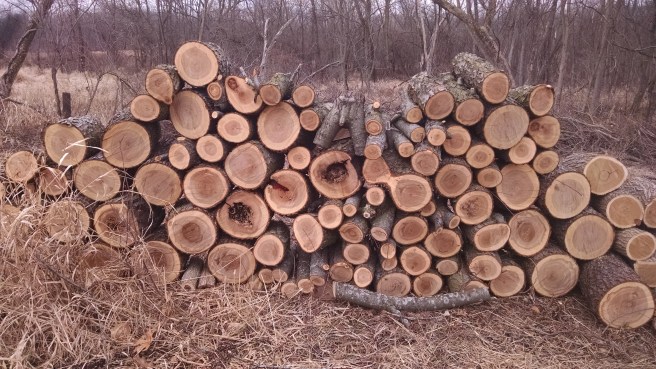
Firewood.

IMG_20180124_112025464

We took out two leaning black cherries. A third cherry was left, because black cherries, while tiny, are quite tasty. Spit the pits out! Cherry pits contain amygdalin.

We took out a half dozen small scruffy elm trees and mulberry trees. Two large red mulberry trees were left to anchor the southern edge of the forest, because mulberries are also quite tasty.

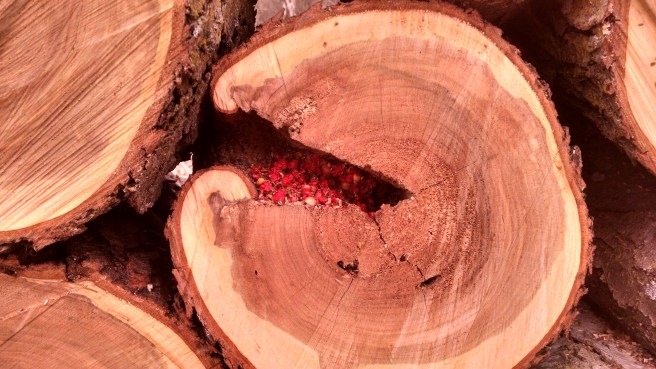
We took out a box elder, nearing the end of its life. All of the trees we cut were about 40 years old, and one was quite hollow in the middle. Check out the mouse cache of bittersweet berries.

IMG_20180124_112046272_HDR

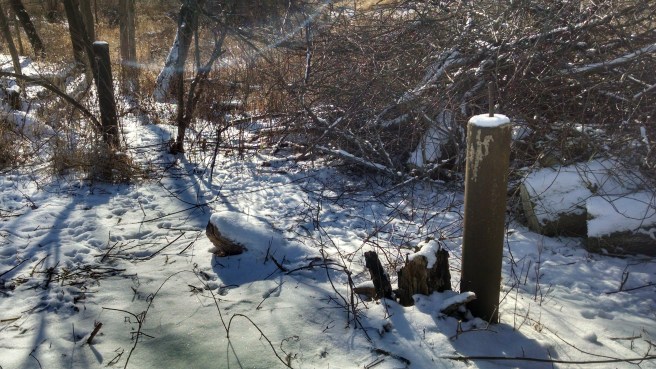
We also removed a variety of impenetrable bittersweet vines, green briar vines, honeysuckle bushes, and blackberry canes. The blackberry canes will come back with a vengeance (as will, regrettably, the others), but we needed a clear space to work in. Underneath that mess, we discovered the old fenceline.IMG_20180117_132737167_HDR

The firewood will be split, allowed to dry for two years, and then used to boil maple sap into maple syrup. It will also be used to heat the pizza oven.

What goes into a Community Supported Forest?

My friend Shannon just left a sack of bladdernut (Staphylea trifolia) seeds on my desk. I know it was her, because how many of my friends know what a bladdernut is, much less that nothing would make me happier? A few years ago, Jerry brought home a pappery husk and asked me what it was. It took me a while to identify, because not only were they lacking from our forest, but as a diminutive understory tree, the bladdernut doesn’t make it in to many of the tree guides. The bladdernut is a delightful understory tree with an edible, if small, nut. We’ve only seen the single grove, a small layer in a larger grove of oaks, in the one location. I couldn’t find any one who sells them to plant at Amazing Space.
Next year, this important little cog will be replanted in the ecosystem, replacing a stand of invasive honeysuckles that currently do nothing more than provide a home for a feral cat and a handful of cowbirds.

in 2017 we planted paw paws (Asimina triloba) from Red Fern Farm. Another species once native, now vanished, will yield a mango-tasting, native fruit in coming years. It was likely originally native a bit south of here, but global warming is with us to stay. Ticks are now still active in February.

There are a handful of butternut (Juglans cinerea) trees on the property, but all are heavily cankered. Another friend, Roger, stratified a handful of nuts we collected in 2016, and started them in the spring. If I can keep the seedlings mulched, watered, and weeded, I can worry less about the species dying out here. And nothing is tastier than a butternut pie.

In years gone by, it took a community to manage and harvest the bounty from the forest. Today, it still takes a community to do the same. We just have better shovels (or on lucky days, PTO-driven augers) for planting seedlings and chainsaws for faster tree cutting. This should leave us plenty of time to enjoy a cup of tea by the fire with friends.

A Purple Prairie

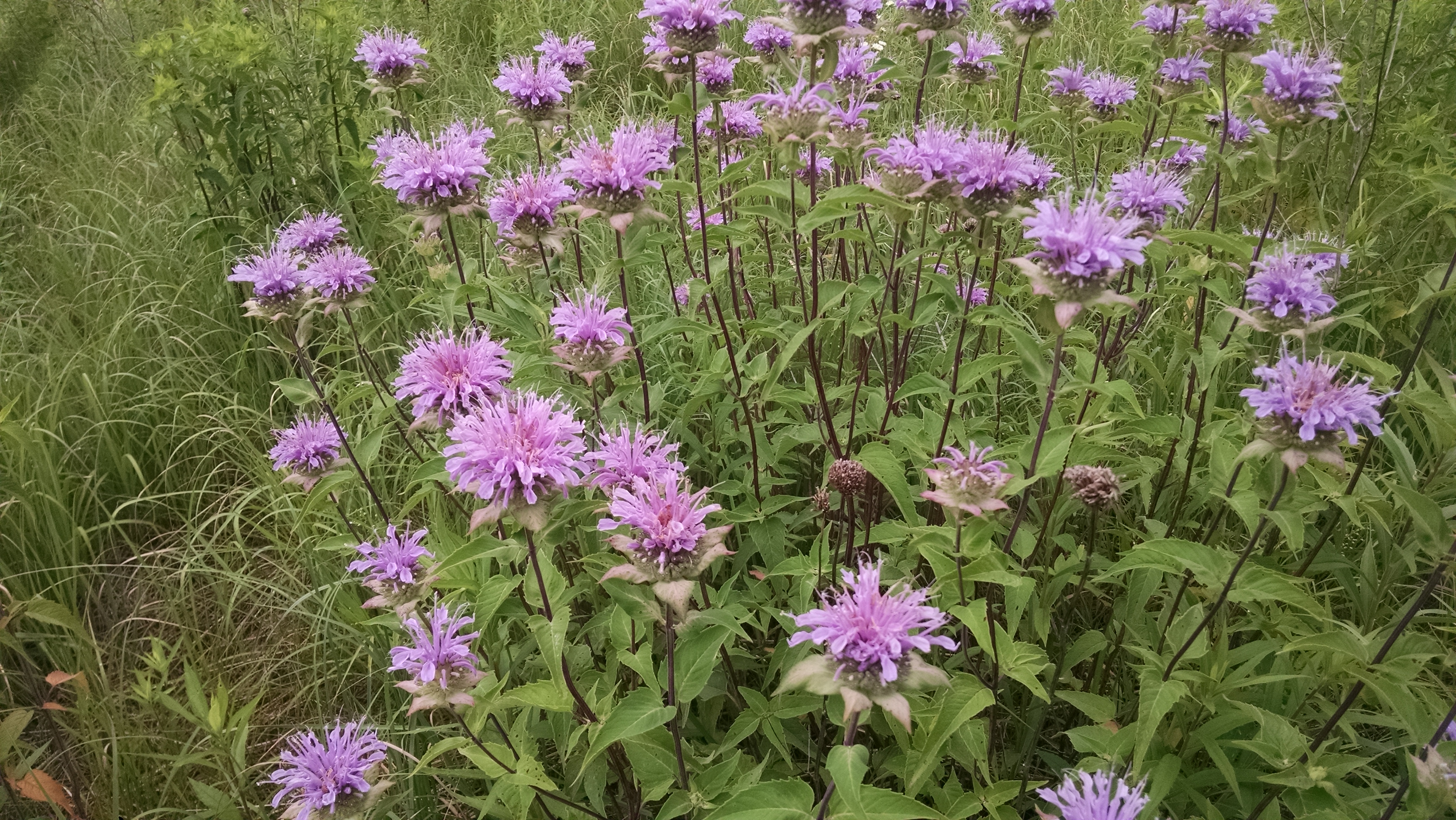
One of the extraordinary things a prairie reveals is the great color palette of nature. Now that we’re in July, and the heat of summer, the purples are abundant. A few treasures from my latest walk:

Leadplant
Bergamot-pick the flowers and top few inches of stem and leaf for tea.
Purple Prairie Clover
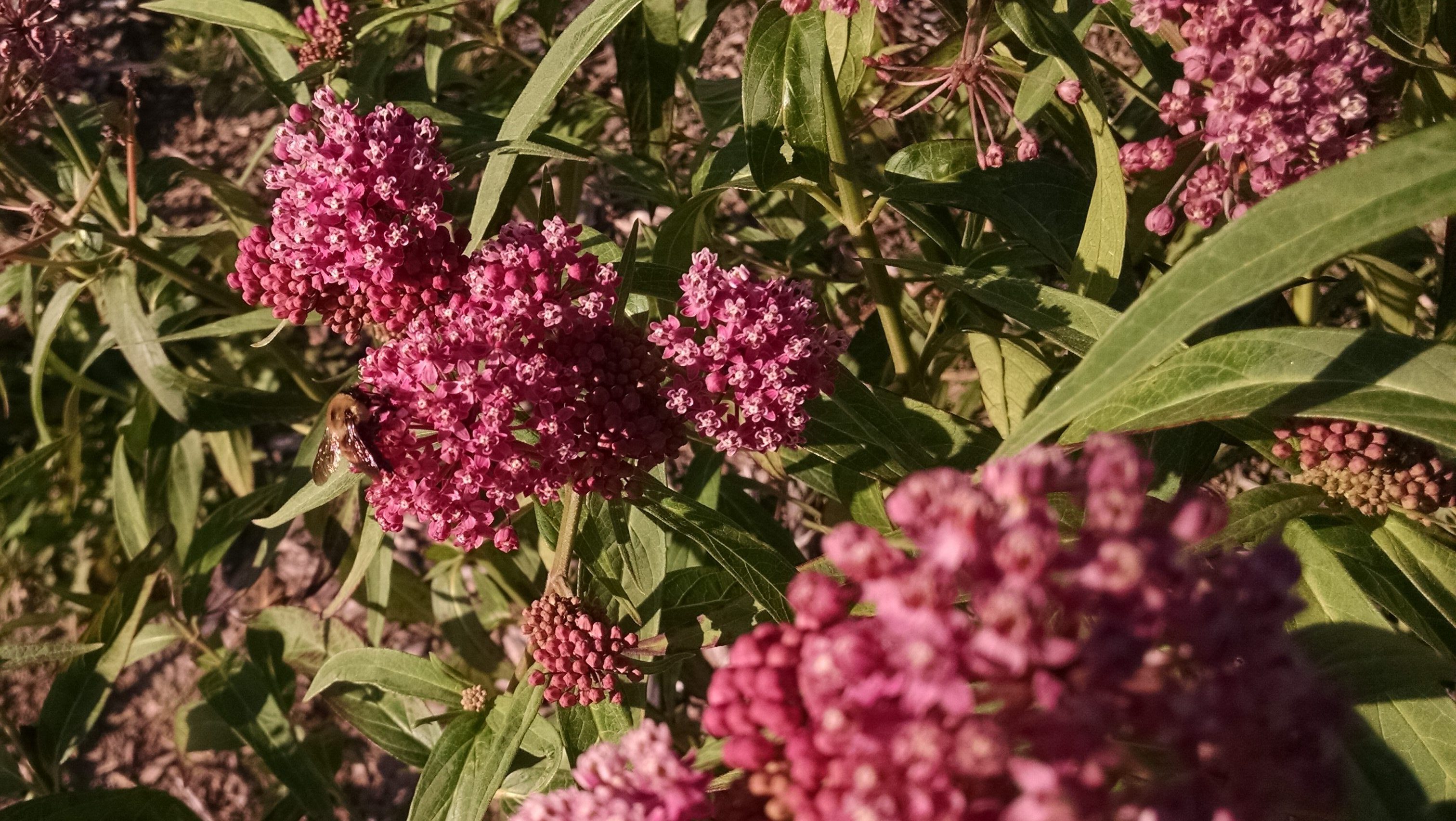
Swamp Milkweed with bumblebee
Hoary Vervain
Prairie Blazing Star


These, you may have noticed, are growing in mulch, not the dense grasses that provide the structure of a tallgrass prairie. This was just my walk from my office to my car! They are newly planted around the parking lot at Indian Creek Nature Center. Everyone should be able to enjoy the natural beauty of a prairie, even if they aren’t up for a hike. The diverse flowers will attract butterflies and support native pollinators. The deep roots are drought tolerant. What more could you ask for in a landscaping plan?


400 feet up

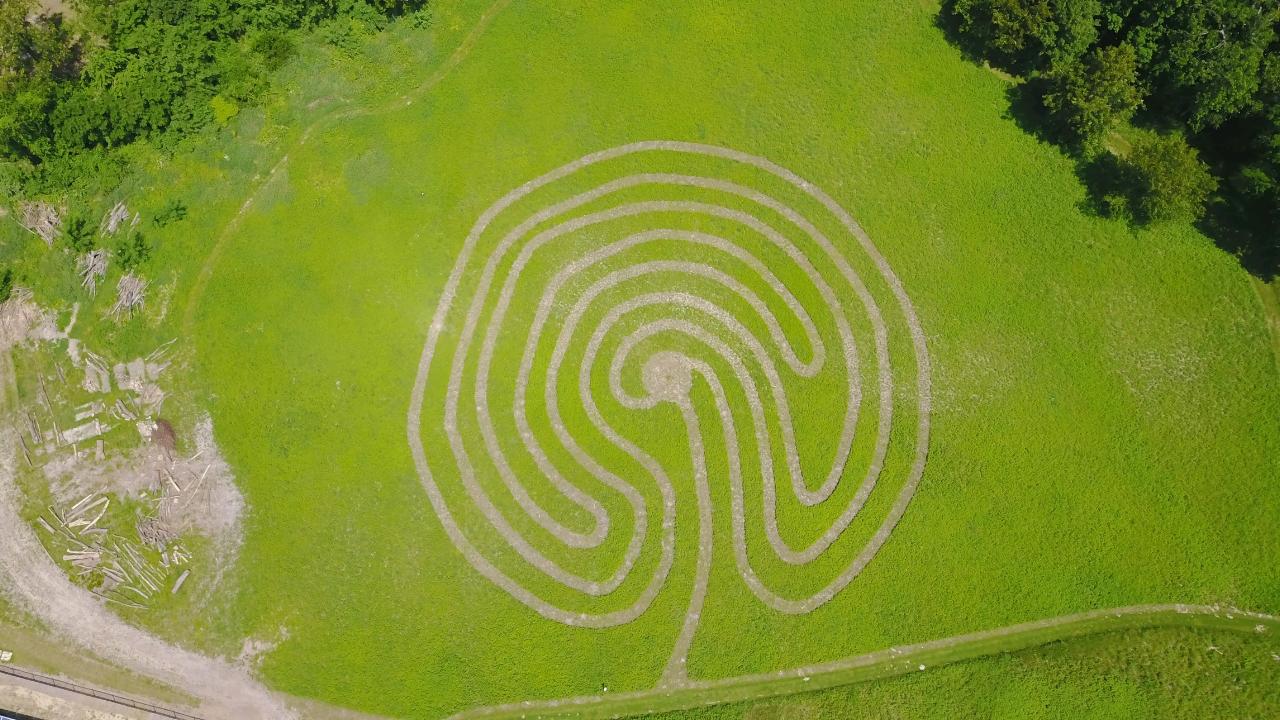
The best place to be, in relationship to a labyrinth, is inside the labyrinth. The second best place to be is 400 feet above. While the labyrinth at Indian Creek Nature Center still has a few rough spots and won’t be officially open until September, the first mowing of the path has revealed the beauty of the design. 

Kiwis in Iowa: a potentially awesome vine

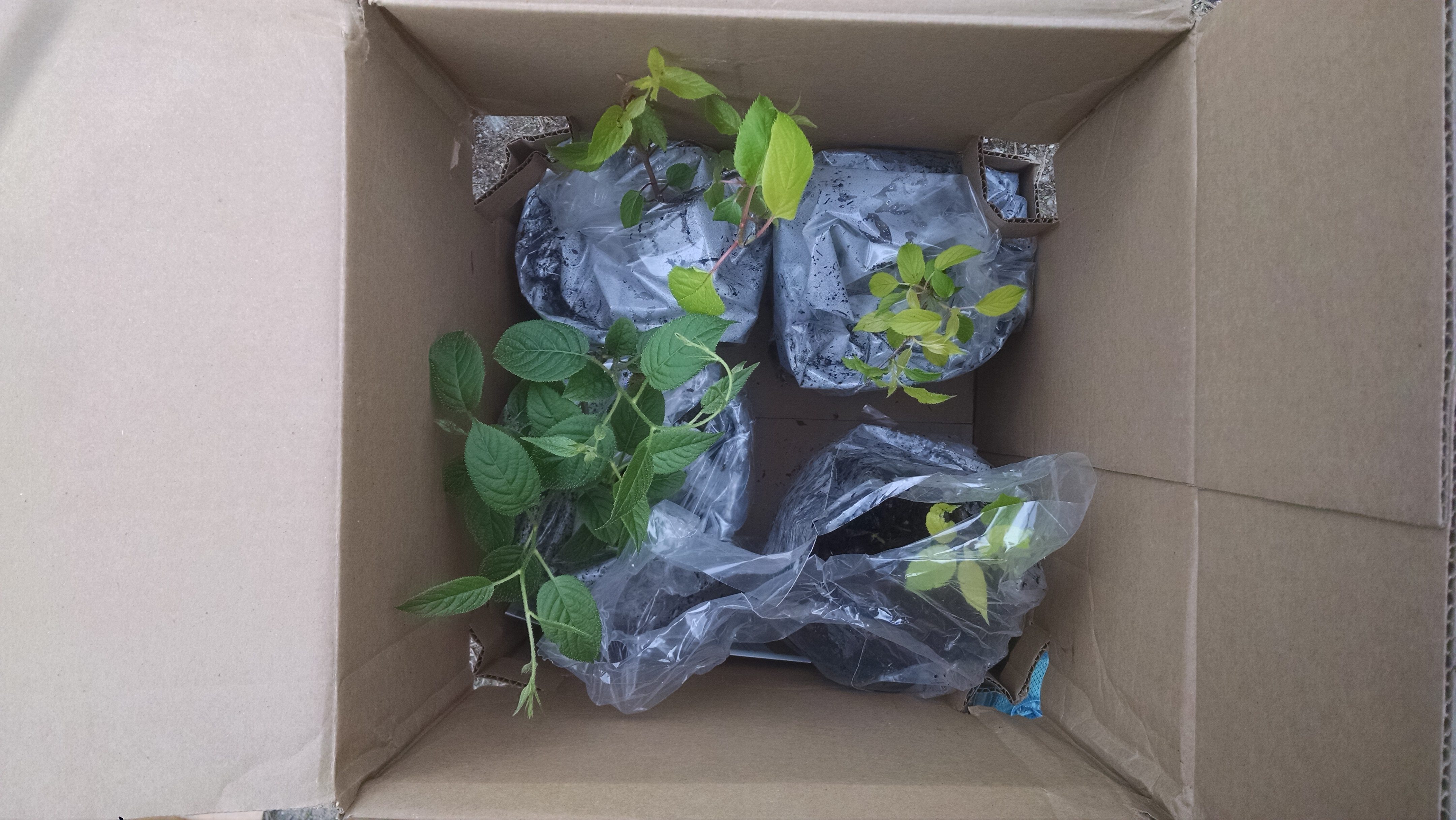
When I’m creating with the landscape, my top three criteria are usually local, organic, native. But I’ve been totally intrigued with the idea of adding kiwi vines to the yard. I repainted the windmill a few years back, only to have invasive hops run rampant over it. Hardy kiwis (Actinidia arguta) are native to China and Siberia, and produce lovely (I hope) little fuzzless kiwis. After doing enough research to determine that, having never actually tried a hardy kiwi, I completely lacked the knowledge to figure what varieties I really wanted, I opted to go with a variety pack from Stark Bro’s.


It included two Anna Hardy Kiwi’s, a male pollinator partner for them, and an Issai Hardy Kiwi. The Issai self pollinates. The plants are beautiful, and I managed to get them in the ground, mulched, and deer-fenced within a day of them arriving. They probably won’t produce fruit, even with the best of care, until 2019 or 2020. But it will good to see something with potential growing in the next few years, versus the hops.

Bee Season

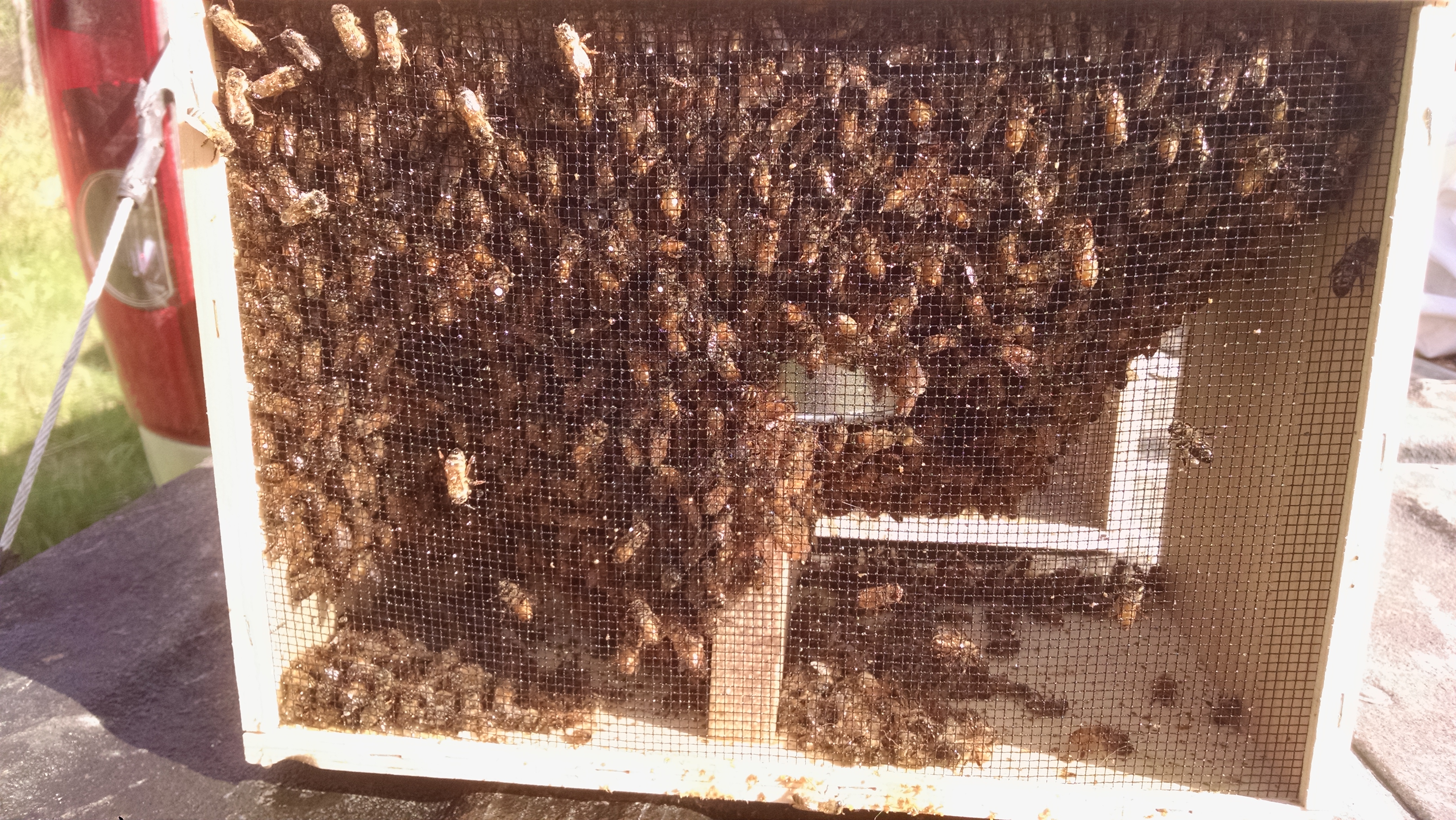
The bees are here, the bees are here! Last year, I spent no time in the hives, received no honey from the bees, and went into the winter with no bees. It wasn’t a lack of productivity on the bees part, just a lack of assistance on mine. The hives became overpopulated, the bees swarmed, and swarmed, and swarmed again too late to remain viable through the winter.

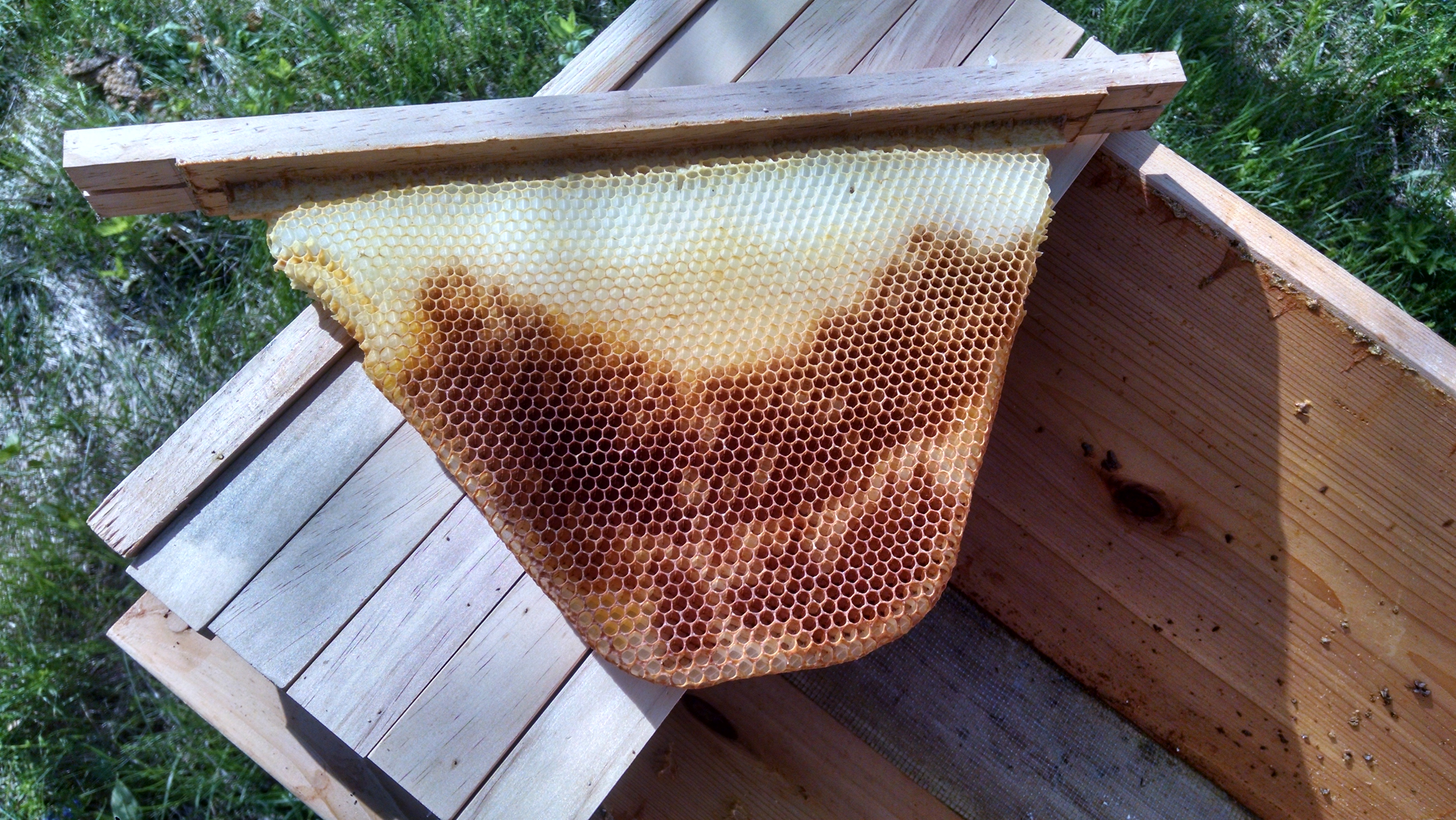
Like most other inbred domesticated animals, apis mellifera usually need a certain amount of care and management to be successful. With Amazing Space finished, and a partner to help me in the apiary, they should get more attention this year and we will see what the top bar hives can really do. Top bar hives require less (in this case, no) chemical input, but like most organic systems, that translates to greater time in the field physically working with them. We will need to move frames around and remove comb throughout the season.

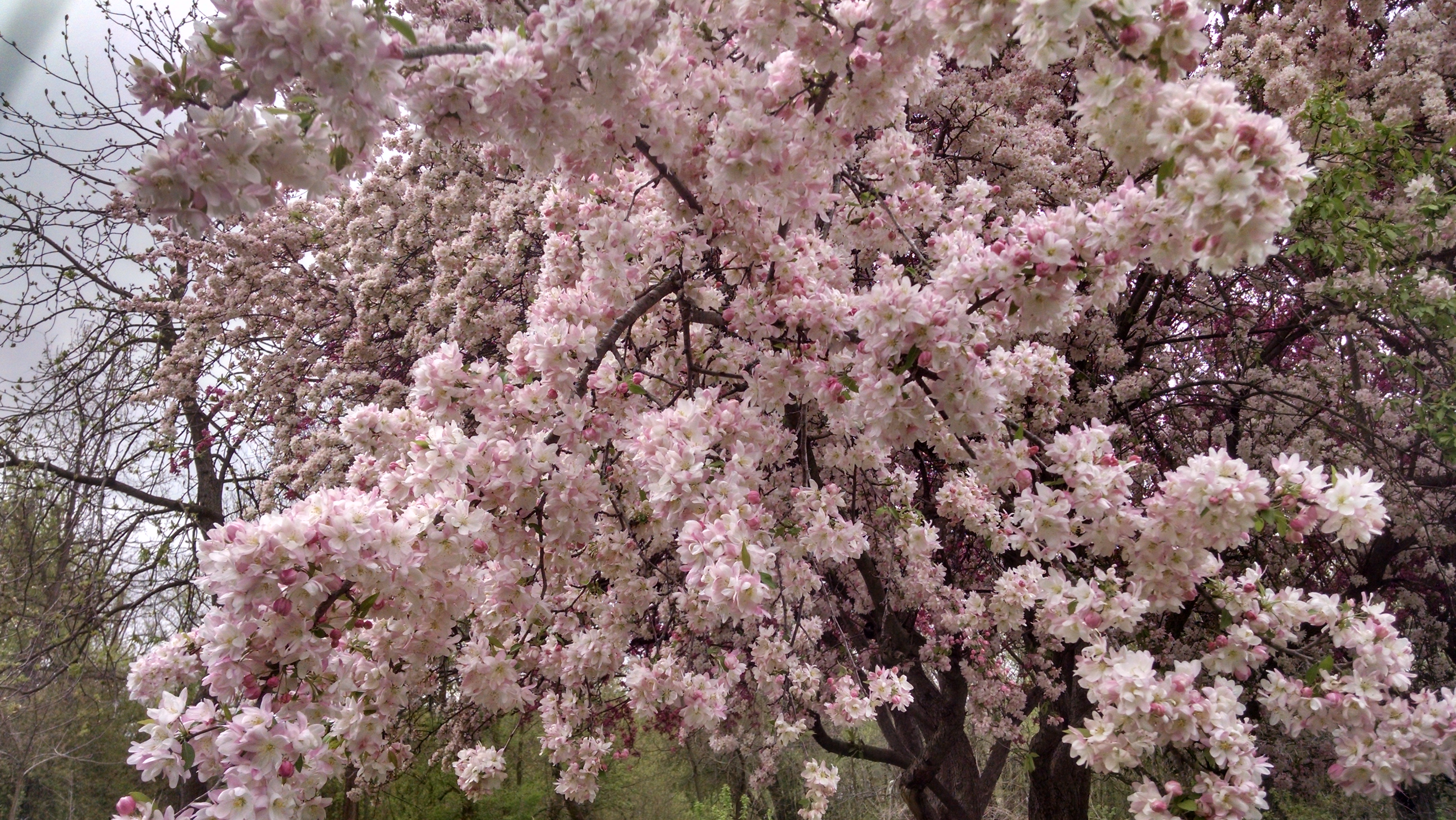
It is naturally shaping up to be a good bee season. It has been warm, so there is a profusion of blossoms full of both nectar and pollen.The apple trees and lilac bushes are in full bloom. The dandelions, bluebells, and wild violets are creating a fusion of blue and yellow.  The warm days will allow the bees to fly more and feed easily, and the colony will build up quickly.

Celebrating Earth Day with a new Labyrinth

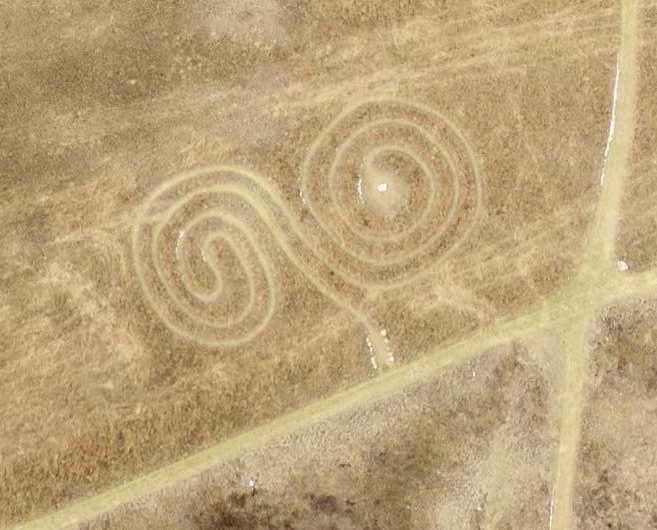
I designed and built my first labyrinth before I learned what a seed labyrinth was, and before I learned how to draw a seven circuit labyrinth. The double spiral reflected the natural form of the ubiquitous land snail shells and the duality of nature. It was loved by the community, but in 2016 we mowed it down to lay out Amazing Space. While the site is still there (the area was peripheral to the project), the tallgrass prairie has been allowed to regrow. It is time to create a new labyrinth.

The first Labyrinth I designed, in 2012.

When a friend recommended the new labyrinth be a Baltic design, I balked a bit. I had no idea what a Baltic pattern was. I had spent a lot of time designing the double spiral, and replicating it would have been easy. But I’m also quite curious, and after doing a bit of research I was convinced and excited.

The Baltic labyrinth, while technically being unicursal, does offer choices. Which means a visitor can walk directly to the meditative center, follow the labyrinth path to the center, or follow the labyrinth path to the center and then back again. This provides three different lengths, and three different experiences.

The layout of the Baltic Labyrinth

There are a number of labyrinths in the area, but none of them are a Baltic design. This gives the labyrinth community something special. I love creating things, so the idea of learning a new pattern, and laying it out, seemed like fun. I am extremely grateful for circular graph paper.

To celebrate Earth Day, Alliant Energy volunteers laid out the new Prairie Labyrinth. The field of flags denotes where I need to mow. Within a month, the path should be established enough that they can be removed.


Last April wildflower walk of the year…and a few other beauties

The spring wildflowers are in their second flush, as the wild plums and bloodroot are nearly finished blooming. The warm weather has brought new hues to the forest, in a crescendo of vibrant colors.

IMG_20160425_100113046
Trillium are in full bloom, adding a deep red to the woodland forest.
IMG_20160426_185212424
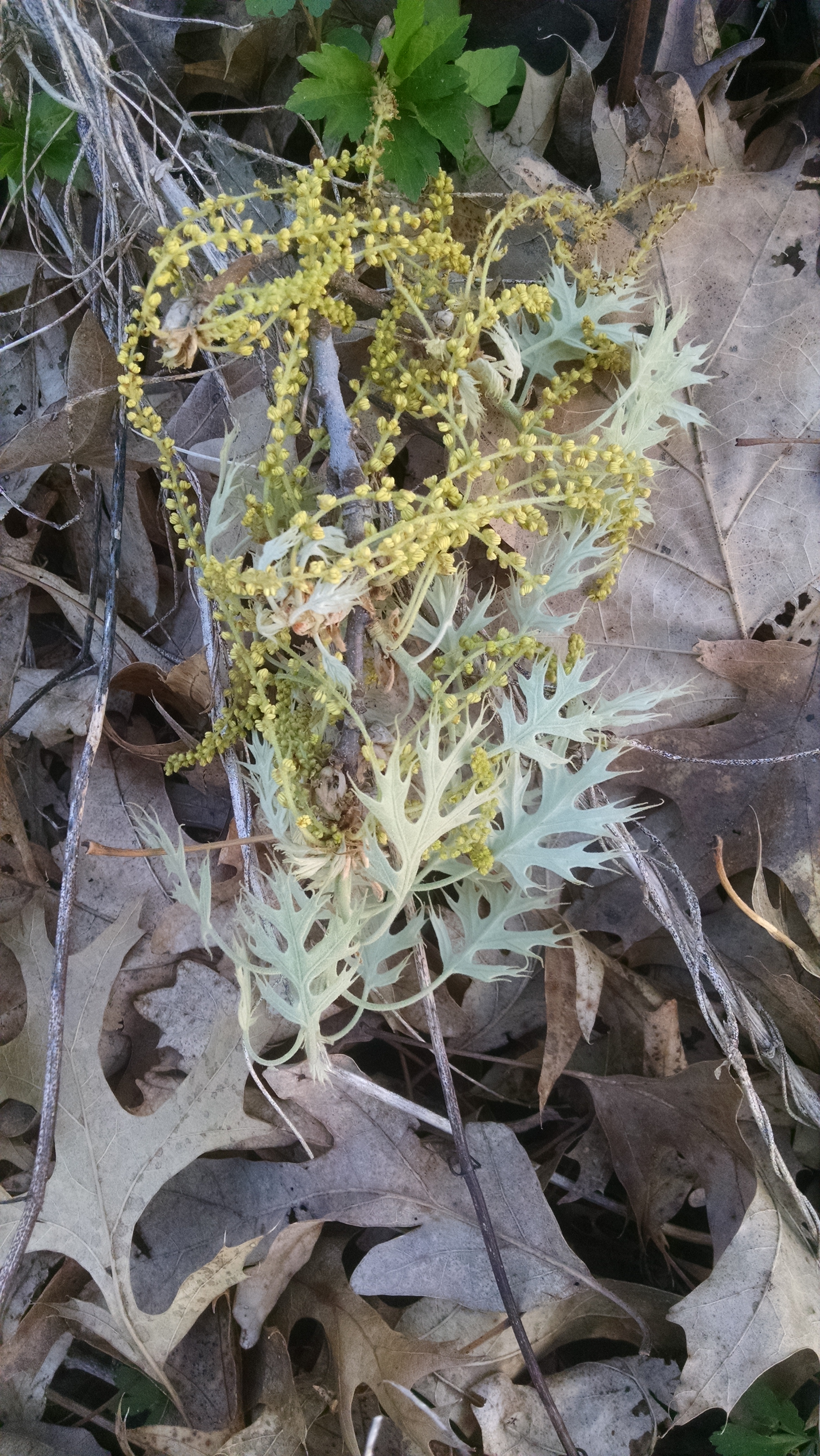
The red oaks rely on wind for pollination, so their pollen is usually viewed as a radiating golden hue in the tree tops. This small branch was brought down in the wind, allowing me to admire the rich color and delicate leaves more closely.
IMG_20160425_195503955
No true morels, yet. But we found a large patch of these rusty-eared gnarly beauties, with their untraceable folds and delicate ripples.
IMG_20160425_100027967
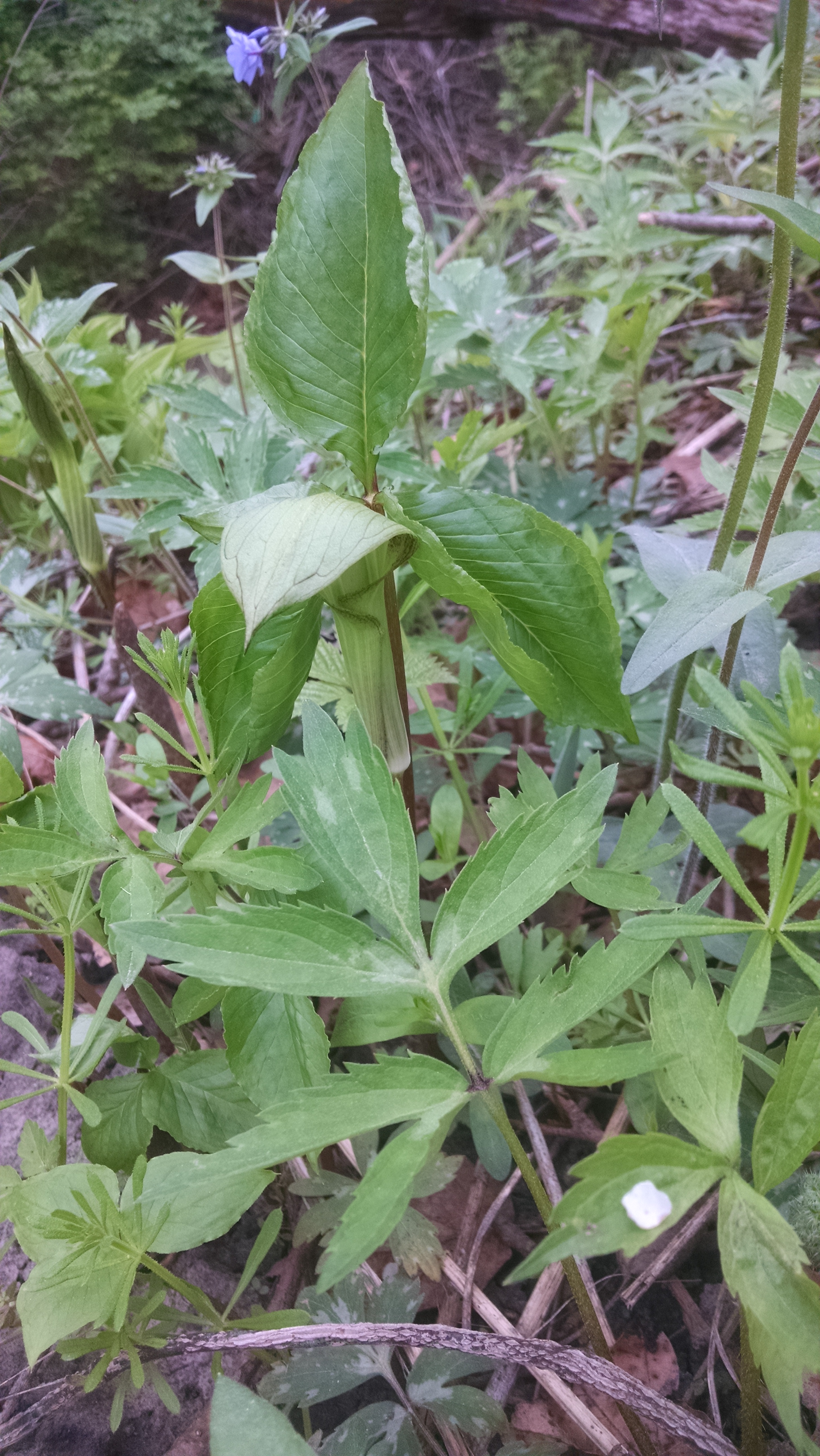
The jack in the pulpit’s green on green provides subtle grace and requires a careful look, before the show-stopping red berries in the fall..
IMG_20160425_100209922
Bellworts add their bright yellow to the edge of the woodland.

Beescaping for Earthday

An apiary must be more than a wooden box in an ecological desert. The honeybee is imperiled not because we cannot make enough wooden boxes to house them in but because we are all too prolific at creating and maintaining ecological deserts. From the corn field in which we are unwilling to share space for milkweeds, to the  Kentucky bluegrass lawn in which we are unwilling to share space for clovers, our meticulously maintained monocultures create the ecological desert that cannot support bees and most other creatures. Save the bees, and we will be well on our way to sustaining the ecology of our planet.

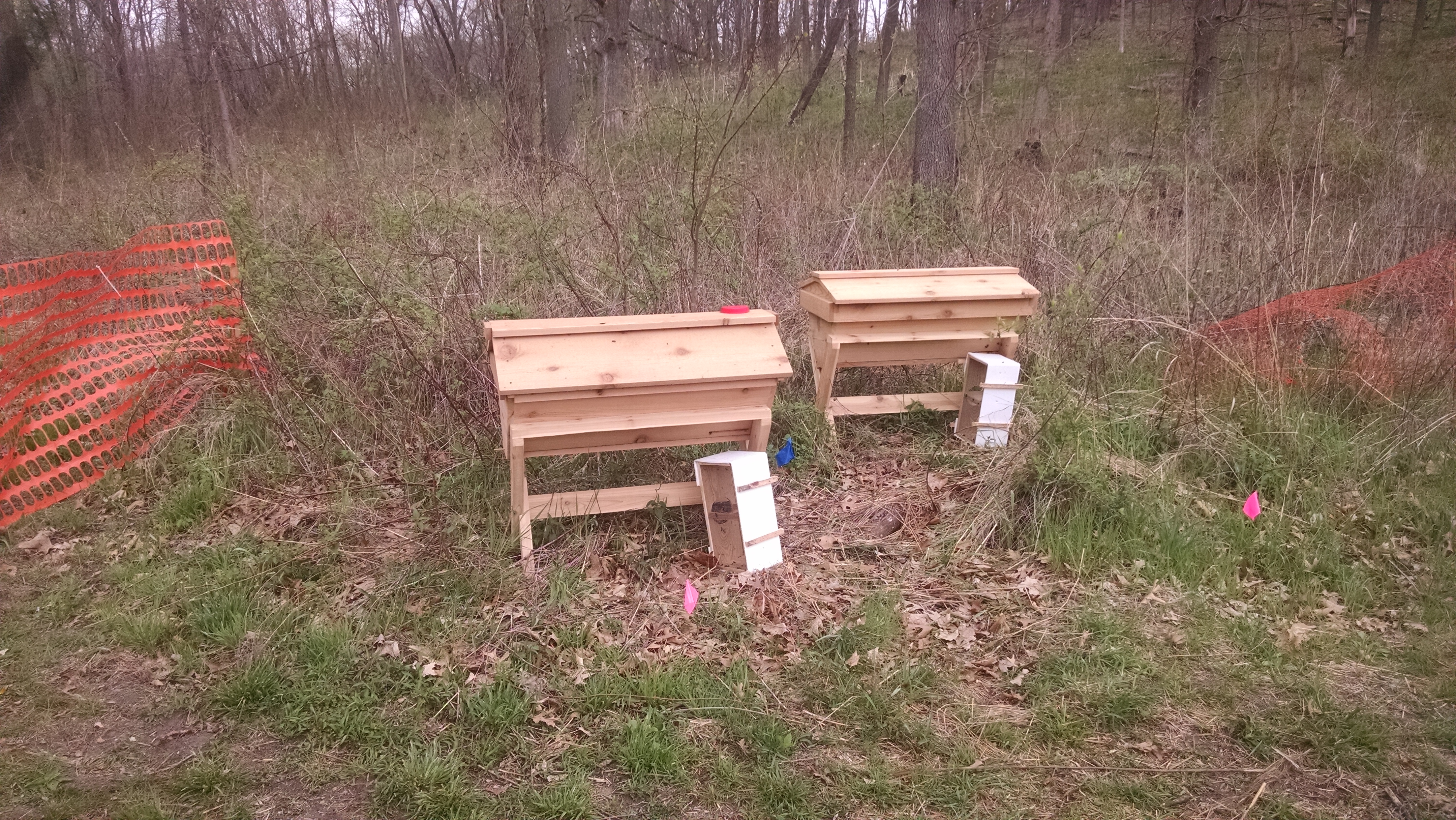
These cedar top-bar style bee hives will ensure good pollination of the trees and plants. And honey!

For this earth day, I have the rare opportunity to celebrate our ecology and life by dynamically increasing the diversity of Indian Creek Nature Center-a place that has incrementally been making such positive changes since it started in 1973. The bare ground from the Amazing Space construction zone is ours to create a new sustainable ecology for both the wildlife and the people.

Alliant Energy employees volunteer to plant trees. The Lindens will be the dominant shade-producing trees for the driveway.

The foundations of a good landscaping plan:

  1. Relationship to place. All of the species selected are native to Iowa. This recognizes and celebrates the value of the natural ecology. Having evolved here, the species will be self-sustaining, able to handle Iowa’s harsh winters and summer droughts. They will support the wildlife that lives here.
  2. Relationship to people. From the linden trees that will shade the driveway to the New Jersey tea plants that border the walkways, the plants and trees are species well suited for urban landscaping. They were selected to demonstrate how native plants and trees can enrich yards, providing beauty, shade and pollination. They also have edible nuts, flowers, and fruits, creating a multilayered edible landscape.
  3. Relationship to plants. Nature is a mosaic of diverse vertical layers. The lindens will provide some shade for the sassafras and bladdernuts. Sunny areas will be dominated tallgrass prairie species. Taller plants will rely on shorter plants for support.
The flowers of a native landscaping plan support bumblees, butterflies and hummingbirds.