#6 Get involved with Maple Syrup Production

I know, you have been wondering why “volunteering” hasn’t been part of every post, haven’t you? But this is a very special volunteer opportunity. It only happens this time of year. We hike into the woods with our drills and our spiles and our sap sacks, and we hope with a good set of maple-identification-skills.

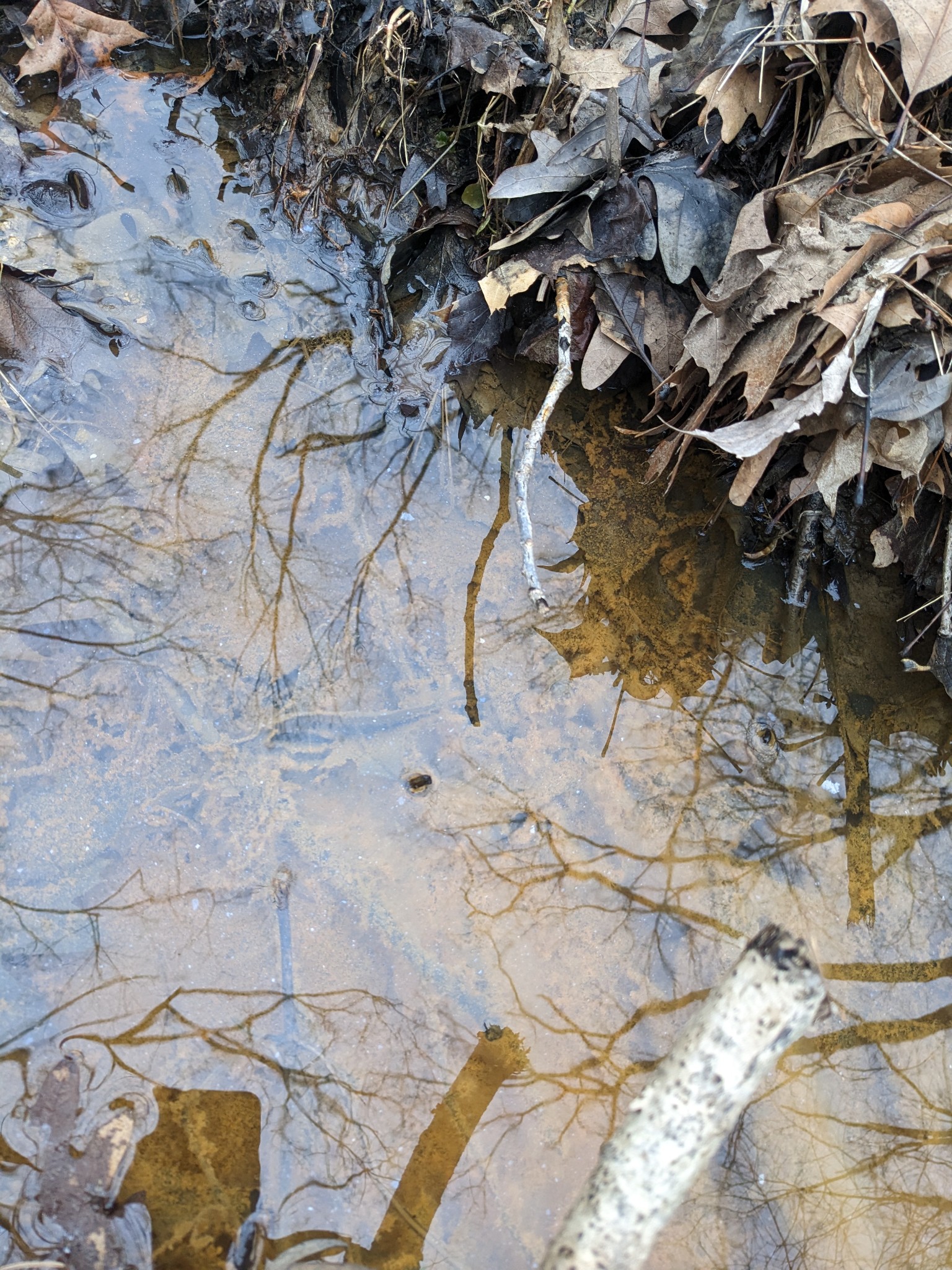
Fossils in the bottom of the ravine where we tap the sugar maples. Sometimes, looking this closely at something on the ground is an accident. I did not get hurt when I slipped! It was a fantastic and unexpected find.
This year, the trees have been flowing more than average. They have been flowing on cloudy days and flowing on days when it hasn’t been freezing the night before, both unusual circumstances.
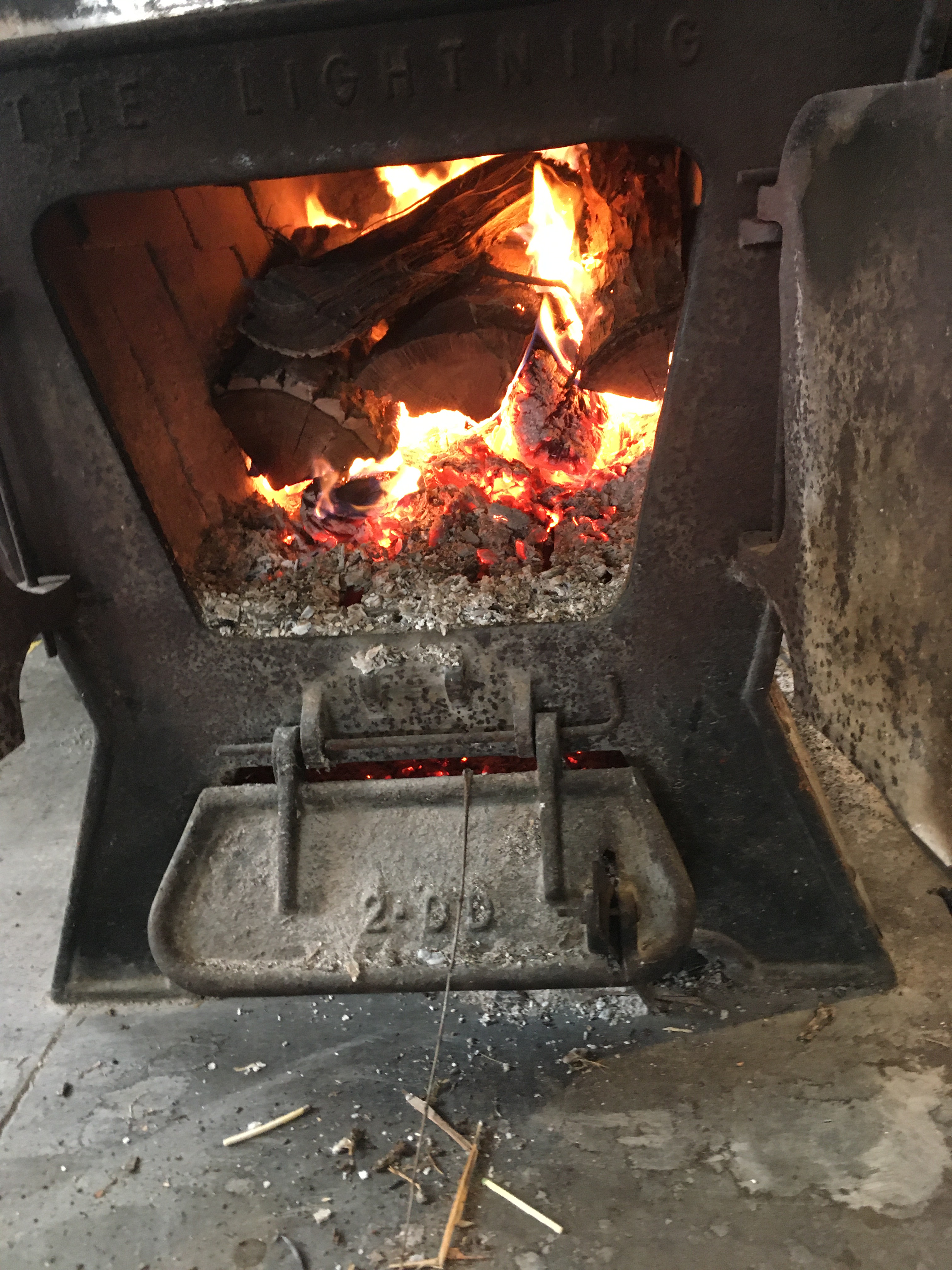
It takes a lot of wood and a lot of time to boil the sap into syrup.
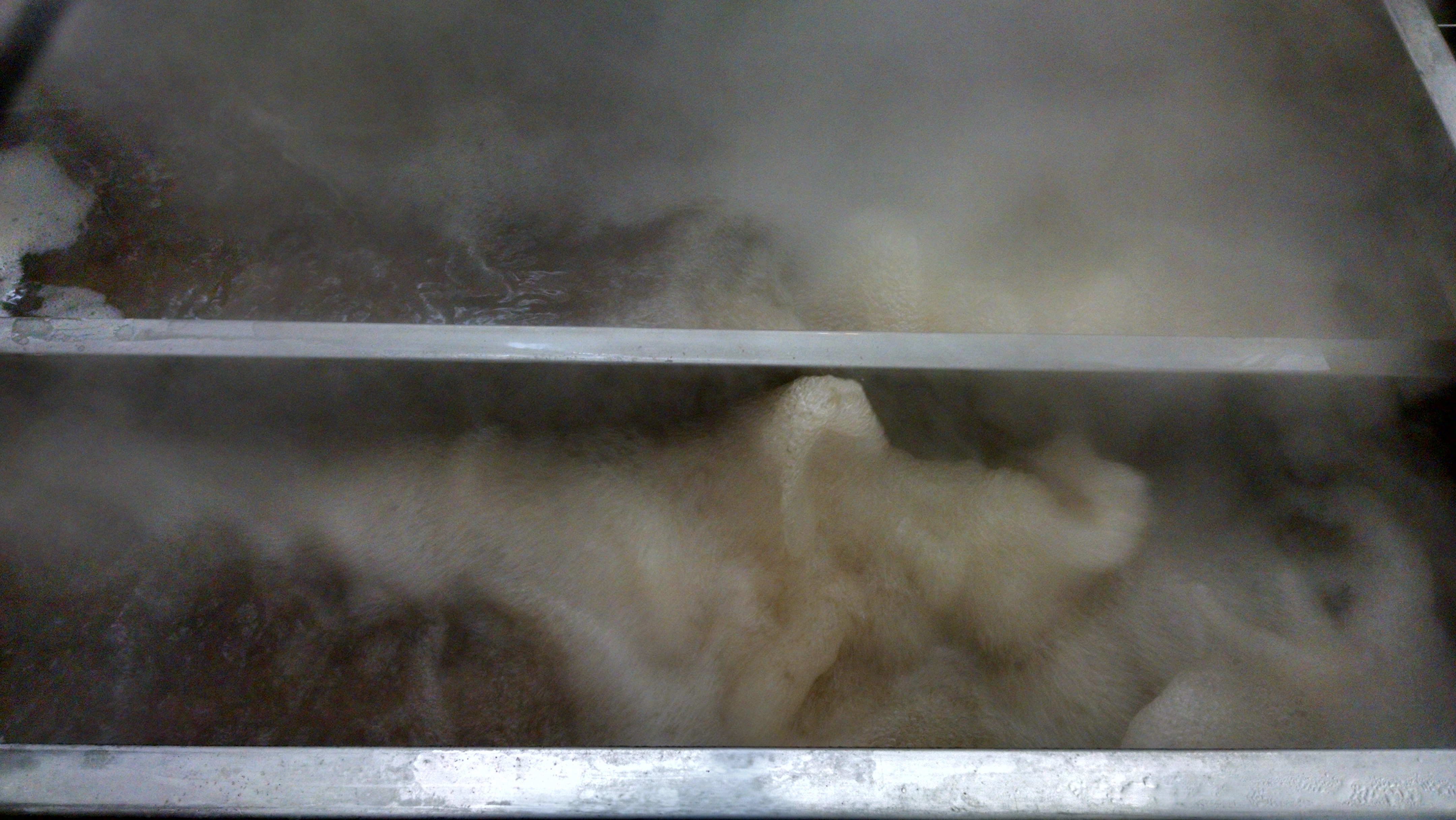
Maple sap is boiling hard in the evaporator. The water rises as steam, leaving an increasingly sweet and increasingly caramelized liquid behind. When it is still boiling at just over 219 degrees Fahrenheit it has transitioned to syrup.

How do you fit into this picture, you may ask? You could help tap the trees, collect the sap, boil the sap, split the wood for the fire to boil the sap, cut the trees for the fire wood, or even bottle the syrup. You could come out and keep us company or bring us snacks while we do all of that. It’s a great way to meet interesting people, get a bit of a workout in, and enjoy the fresh air.

Despite some initial concerns about the warm first half of February causing the trees to bud out early and end the season before it had even started, this is shaping up to be one of our most productive seasons ever. It isn’t over yet and we have already collected 1,810 gallons of sap and bottled 30 gallons of syrup. That ranks it currently third behind 2005 (2554 gallons of sap) and 2006 (2042 gallons of sap).

#5 Explore the Forest

Go for a walk in the woods. Leave the trail. Explore a nook you haven’t found before. Take your shoes off and let the cold spring mud squish between your toes. For the adventure below, we ventured up Bena Brook.

The stinging nettles are up.
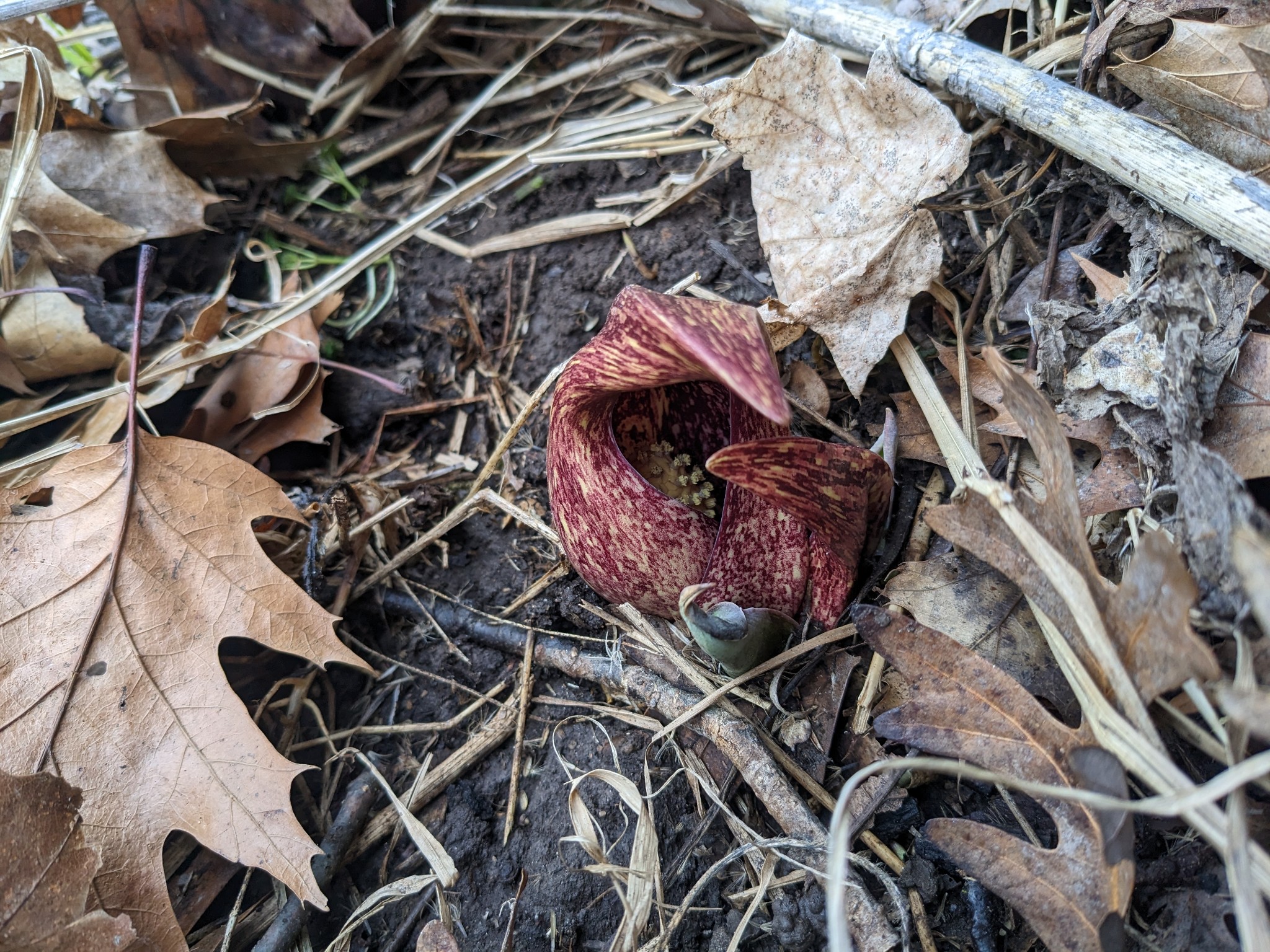
The skunk cabbage is flowering. Thank you, Gabe Anderson, for being my photographer.

#4 Explore how to tell time

Whether you love or hate the biannual clock changes, this is a good time to visit the analemmatic sundial. All you need is yourself and the sun. It is a fun reminder that time is a measurement of ourselves on our planet rotating around the sun. With the analemmatic sundial, you become the gnomon, and your shadow tells you the time. No watch or cell phone needed.

I am standing on the center stone, on the “March” spot, and it is indeed 9:45 on a bright but chilly morning.
Laying out the sundial requires aligning with true north, which is the fixed end of the axis on which the planet rotates. Our compasses indicate magnetic north, which fluctuates a fair bit in its precise.
Setting the stones in the right location involved the help of dedicated volunteers.

This sundial was created in honor of long-time volunteer Tom Cleveland. Tom loved sharing his passion for people and for nature, and time often slipped away when you were talking with him. Creating this nature-based interactive element that is both fun and educational is a fitting tribute to a great person.

#3 Appreciate a sunrise

Watch a sunrise. Each one is unique. Some are dynamic, some are subtle. You might hear the driving rain and thunder, or you might hear the geese and swans waking up along the river. Right now, the red winged black birds have returned to the Lynch wetland and are calling. If you get out of your car and go further into nature, you will find that you are surrounded by songbirds, and you will feel the tiny air currents their wings make as they fly past you in the predawn darkness. You will see the frost form on the prairie grasses. You will wake up with Nature. It is a transformative way to start the day.